This accredited, CME-eligible course progresses from beginner to the deepest reaches of meditative absorption, then back into sustainable, compassionate care.
Continuing Medical Education · 10 AMA PRA Category 1 Credits™
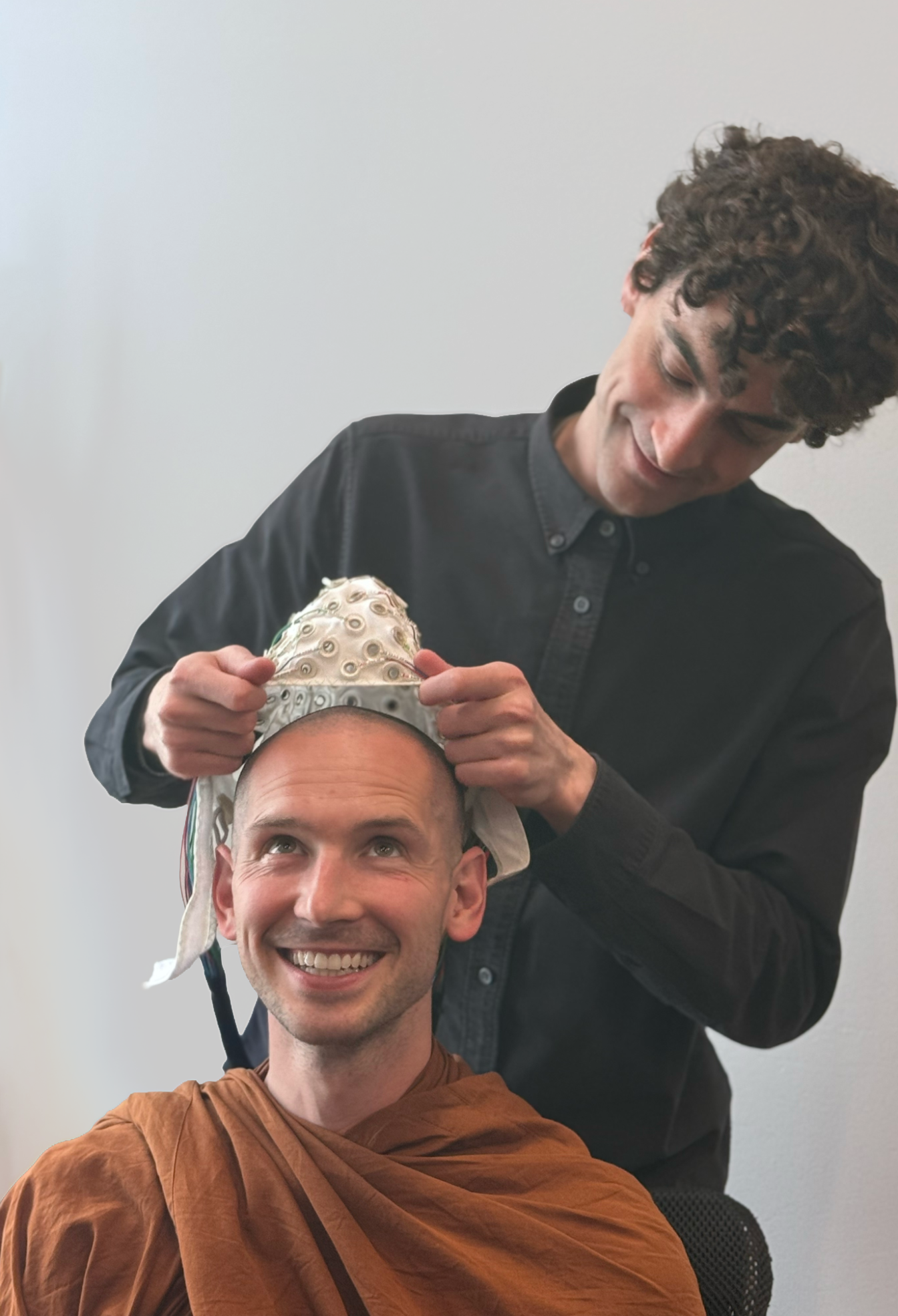


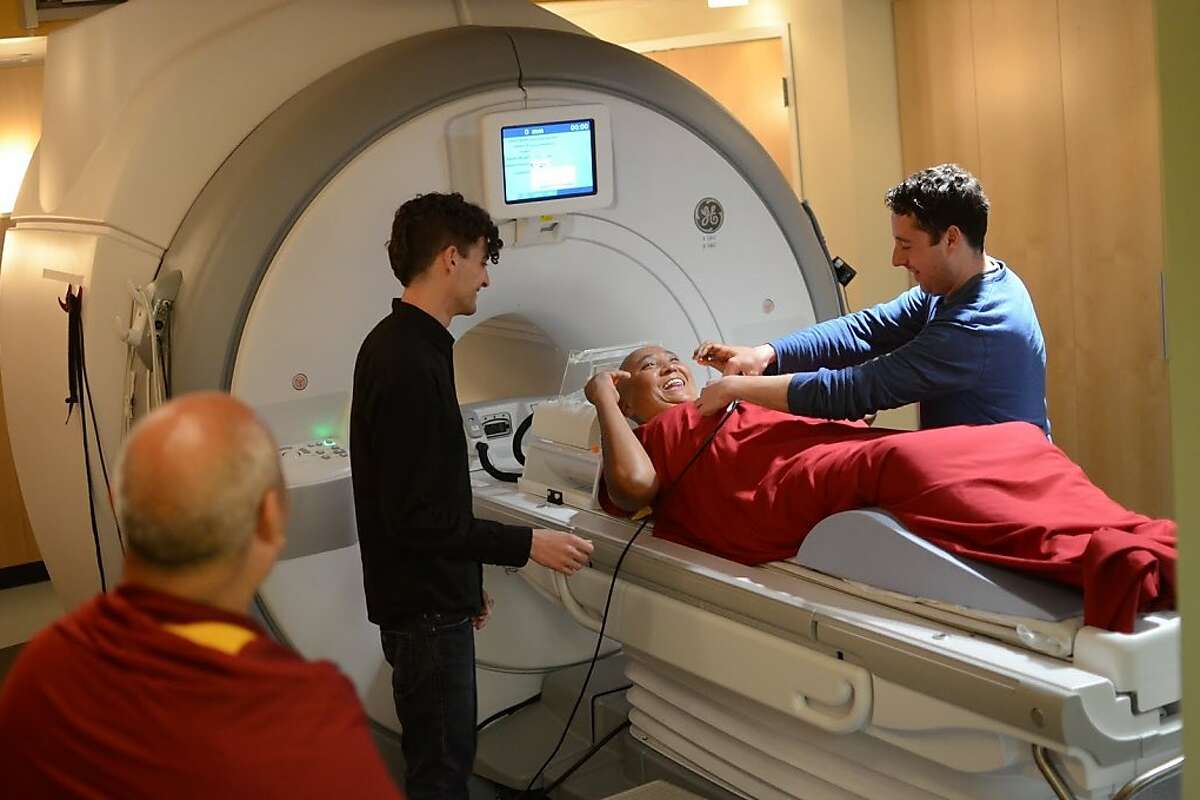
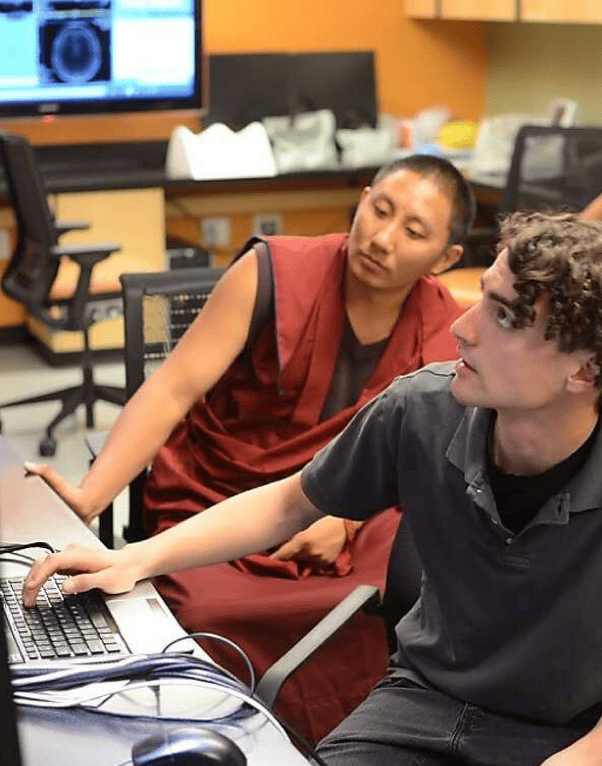
Led by Dr. Matthew D. Sacchet, the Meditation Research Program (MRP) has pioneered the study of advanced meditation, what lies beyond stress reduction, including deep states of absorption, insight, compassion, and lasting transformation.
The program pairs rigorous neuroscience with deep contemplative expertise, mapping how advanced practice reshapes the mind and brain and translating that science into education programs to help people flourish.
Meditation research has spent the past sixty years gaining clinical legitimacy and popularity. Now, we’re starting to document brain states and radical transformations never before seen in science.
Starting in the 1970s, meditation was brought out of the counterculture and into the clinic. Dr. Herbert Benson’s empirical research showed that meditation could reproducibly induce [physiological changes in heart rate, etc idk]. Following this, Jon Kabat-Zinn developed the Mindfulness-Based Stress Reduction (MBSR) program as a secular tool to help patients manage stress.
As the “mindfulness movement” grew in popularity,
research on: neuroplasticity, brain, clinical trials, neural and psychological mechanisms
simple instructions, seeing modest effects, statistically significant
but… modest / could not explain the magical cool shit
in the past X years, we’re literally getting meditators to do that magical cool shit and then we’re measuring it and asking them to explain it — do you see how this is so fucking cool and awesome?????? starting to understand meditation as a non-magical skill-based competency with the possibility of [mastery/excellence] and surprising implications for mental health wellbeing flourishing etc.
[As we go beyond the robust-yet-modest effects of basic mindfulness research], [we are mindful that] many accounts of [advanced meditation] can traditionally be confusing, vague, or even paradoxical.
[We] aim to [solve this] by leading with [the most rigorous empirical research] on advanced meditation [towards the beginning/start/nascence of a very precise empirical reproducible robust not-philosophical not-metaphysical not-flaky not-hand-wavy understanding].
The Program's more than 100 studies
conducted at Massachusetts General Hospital, the largest hospital-based research program in the world and the oldest and largest affiliate of Harvard Medical School.
That same rigor carries into the course, which draws on several hundred studies spanning [smth smth].
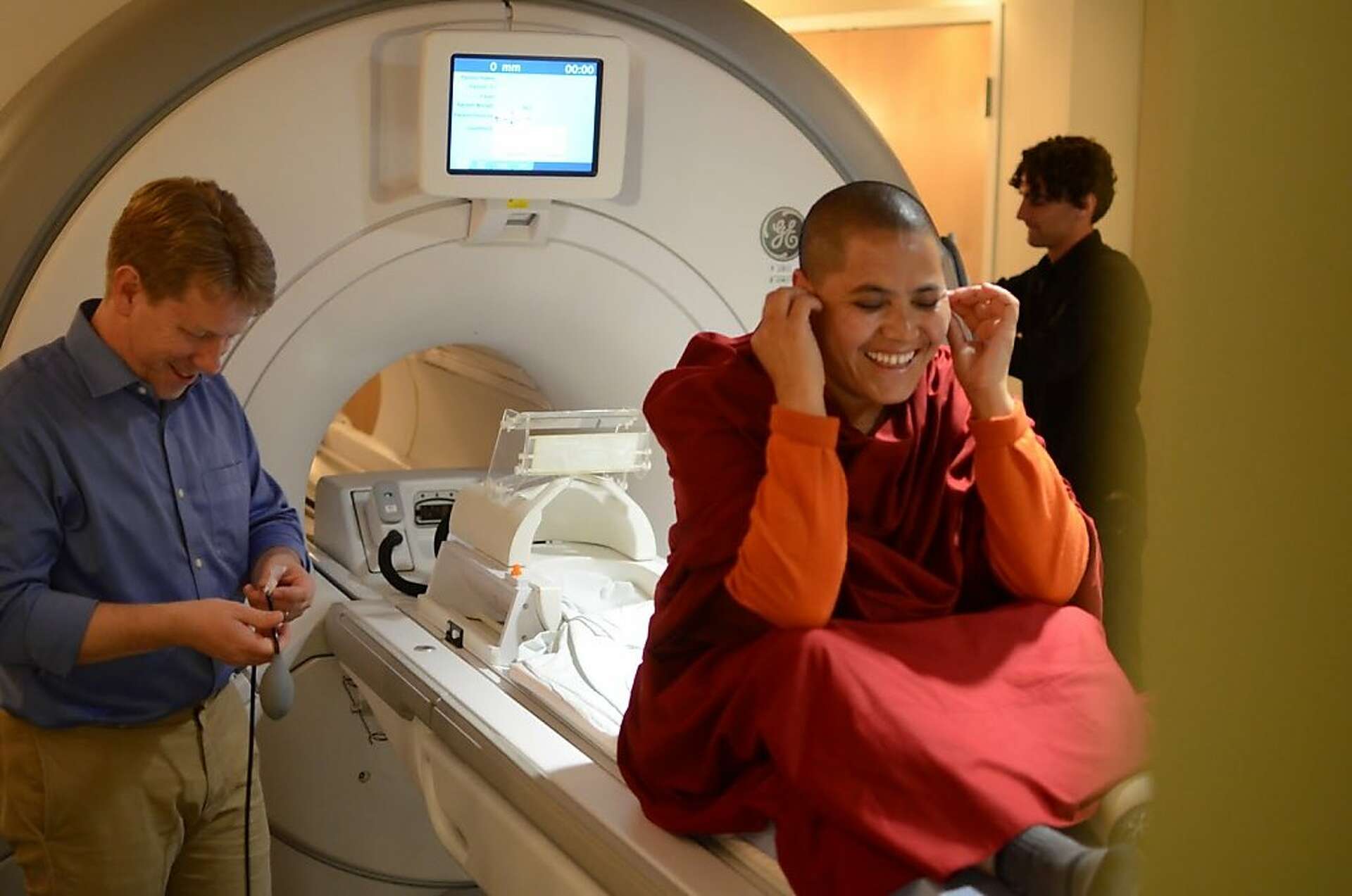
Unlike meditation courses that focus on the breath, we emphasize cultivating a friendly warmth in the body as the object of practice. Many people report that meditative practice becomes significantly more nourishing as they bring in a heart-centered connection.
Rather than strictly following instructions to narrow your attention with a rigid focus, we'll help you develop a gentle curiosity alongside warm acceptance to gradually befriend your mind.
We'll provide evidence-based techniques to make your practice nourishing and enjoyable, while helping you alleviate symptoms of burnout and cultivate compassionate care.
Research shows many people believe they can't meditate since their mind races too fast or they have too many thoughts. But this is like saying you're bad at exercise since you can't walk up a hill. That's not a failure, it just means you haven't trained yet, and that's what practice is for!
We'll equip you with a practice that we've seen take people all the way from their first sit to advanced meditative absorptions. And, like a good exercise program, we'll unpack meditation into its various core movements or "subskills", so that you can train each one at a difficulty appropriate to your current level, no matter how distracted you start from.
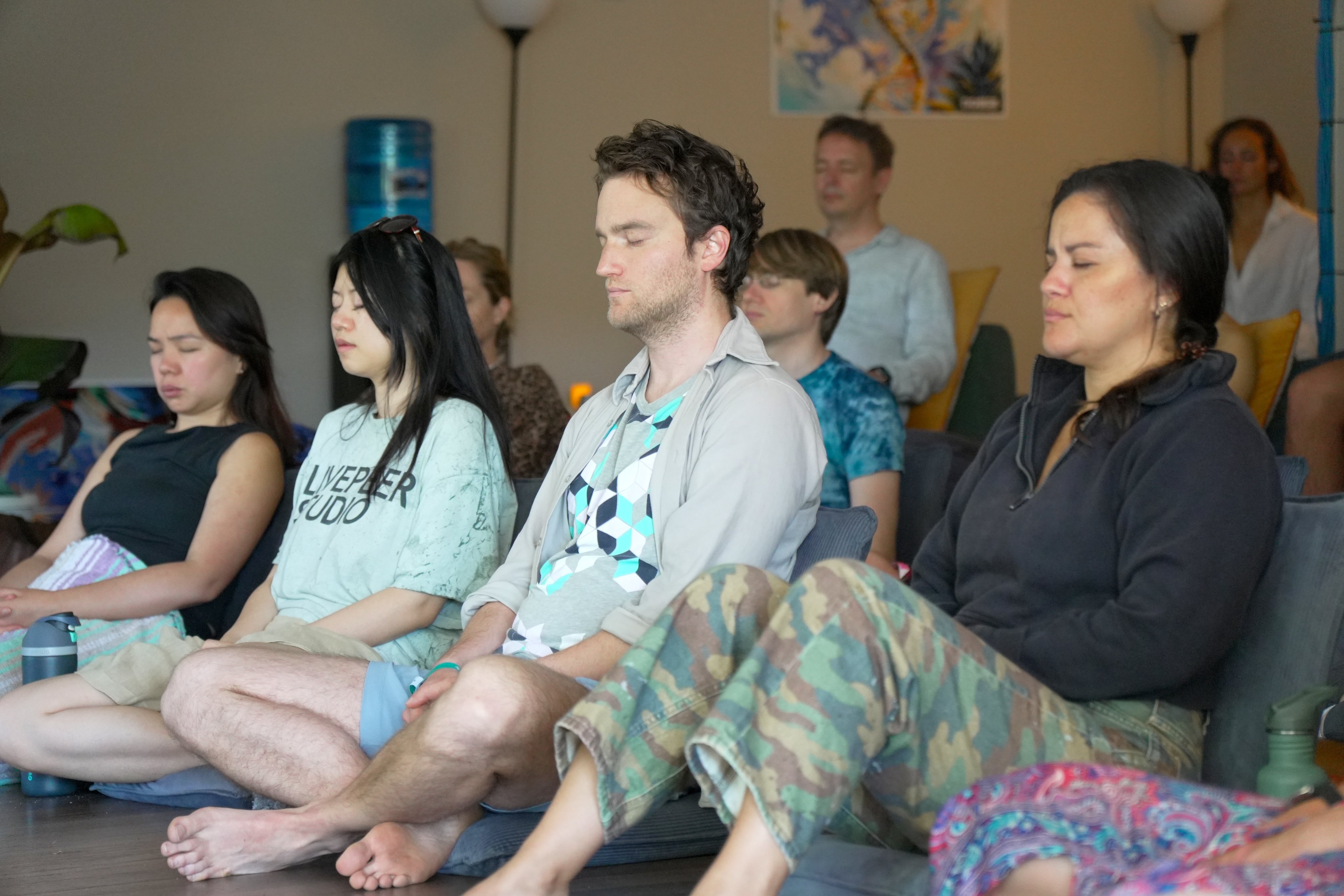
In addition to lectures with science-based rigor, this course includes evidence-based experiential exercises to help deepen your understanding of the concepts.
Each practice is built on a broad body of peer-reviewed studies, and we provide PDF resources and audios so you can share them with others. These experiential exercises are all designed to be beginner-friendly, take 30 minutes or less, and be useful to both you and your patients.
A structured, evidence-based writing exercise that grounds your practice in what matters to you, by envisioning a vivid picture of the future you want to build, while setting actionable goals and planning for the obstacles that get in the way.
Guided 30-minute meditation cultivating warmth, kindness, and goodwill toward self and others, with structured instruction in sustaining and deepening the quality of caring attention, while releasing distractions with the 4R framework.
Guided, deliberate instruction on sparking and amplifying pleasant feelings, based on evidence that slowing into embodied appreciation and deepening attentional engagement builds lasting internal resources.
Structured reflection for identifying the hidden psychological commitments that may sustain unwanted mental and emotional patterns, through structured inquiry into the unmet needs or protective functions that can maintain habitual distraction.
Structured reflective exercise with guided prompts to reframe and resolve distractions by recognizing the caring motivations underlying common patterns of persistent thoughts and emotions.
A structured meditation practice to release the chronic tension of resentment, shame, and regret, through sparking and deepening into the feeling of forgiveness, without condoning harm or forcing reconciliation.
Brief, evidence-based journaling and letter-writing exercises that help us remember specific sources of support, meaning, and connection already present in our lives, while moving beyond just an intellectual appreciation into a felt, warm sense of gratitude in the body.
Two guided meditations to help us practice meeting others' suffering with genuine warmth and others' success with genuine gladness, based on evidence aiming to replace empathic fatigue with a more sustainable emotional range.
A structured, evidence-based writing exercise that grounds your practice in what matters to you, by envisioning a vivid picture of the future you want to build, while setting actionable goals and planning for the obstacles that get in the way.
Guided 30-minute meditation cultivating warmth, kindness, and goodwill toward self and others, with structured instruction in sustaining and deepening the quality of caring attention, while releasing distractions with the 4R framework.
Guided, deliberate instruction on sparking and amplifying pleasant feelings, based on evidence that slowing into embodied appreciation and deepening attentional engagement builds lasting internal resources.
Structured reflection for identifying the hidden psychological commitments that may sustain unwanted mental and emotional patterns, through structured inquiry into the unmet needs or protective functions that can maintain habitual distraction.
Structured reflective exercise with guided prompts to reframe and resolve distractions by recognizing the caring motivations underlying common patterns of persistent thoughts and emotions.
A structured meditation practice to release the chronic tension of resentment, shame, and regret, through sparking and deepening into the feeling of forgiveness, without condoning harm or forcing reconciliation.
Brief, evidence-based journaling and letter-writing exercises that help us remember specific sources of support, meaning, and connection already present in our lives, while moving beyond just an intellectual appreciation into a felt, warm sense of gratitude in the body.
Two guided meditations to help us practice meeting others' suffering with genuine warmth and others' success with genuine gladness, based on evidence aiming to replace empathic fatigue with a more sustainable emotional range.
Each class goes through a rigorous base of studies, including the newest contemplative neuroscience, and pairs it with guided practices to make the material personally meaningful and clinically applicable. We also ground each class in a vivid, real example.
Drawing on the science of skill acquisition and deliberate practice, we establish that meditation is not a mysterious gift. It's a collection of multiple trainable subskills, each improvable through deliberate practice. We introduce the emerging body of research on advanced meditators, which suggests what's possible for mental health and wellbeing when these skills are taken seriously.
At 14, swimmer Mary Meagher broke the 200-meter butterfly world record after carefully adjusting just two minor habits. Sociologist Daniel Chambliss called this "the mundanity of excellence." Greatness and mastery are assembled through small, ordinary refinements that compound over time. The same is true of the meditating mind.
Instead of rigid instructions that force attention onto the breath, we give detailed lovingkindness meditation instructions built on warmth and curiosity. We teach independent skills of sparking and savoring a kind, warm feeling towards ourself and others, while using distractions as opportunities to gently practice the 4R's framework: recognize, relax, relief, return.
In Wendy Hasenkamp's 2012 fMRI study, meditators pressed a button each time their mind wandered, revealing a four-part cycle: the mind wanders, you notice, you shift back, you sustain focus. That cycle is the blueprint for the 4R's skill sequence. It reframes the beginner's common worry "I can't stop my thoughts" with concrete skills that generate ease for beginners, and increased depth for those with more experience.
Pushing away challenging thoughts and emotions fuels them, and chasing good feelings undermines the very enjoyment we're after. Instead, we introduce several evidence-based practices to meet challenging experiences with warm acceptance and positive experiences with present-moment appreciative savoring.
In Daniel Wegner's 1994 "white bear" study, participants were told to not think of a white bear, and to ring a bell every time they failed. The bell rang consistently. Suppression engages an "ironic monitor" that scans for the forbidden thought and keeps it primed. The lesson: instead of trying to force out thoughts, we can train to gently release them, relax and absorb into open-hearted warmth.
Forgiveness and gratitude act as accessible entry points for the two core skills introduced earlier, warmly relating to difficulty and warmly amplifying the good. They serve as a natural bridge for taking your practice off the cushion, while offering a structured way to dissolve the blocks preventing warmth from arising.
Two stories anchor the class. After his mother was murdered in 1996, forgiveness researcher Everett Worthington used his own model to release his resentment and the chronic stress it carried. And in 1997, Fred Rogers asked an Emmys audience for ten silent seconds to gratefully remember "the people who loved us into being"; the room fell silent, then wept. Forgiveness dissolves what blocks warmth; gratitude amplifies the good.
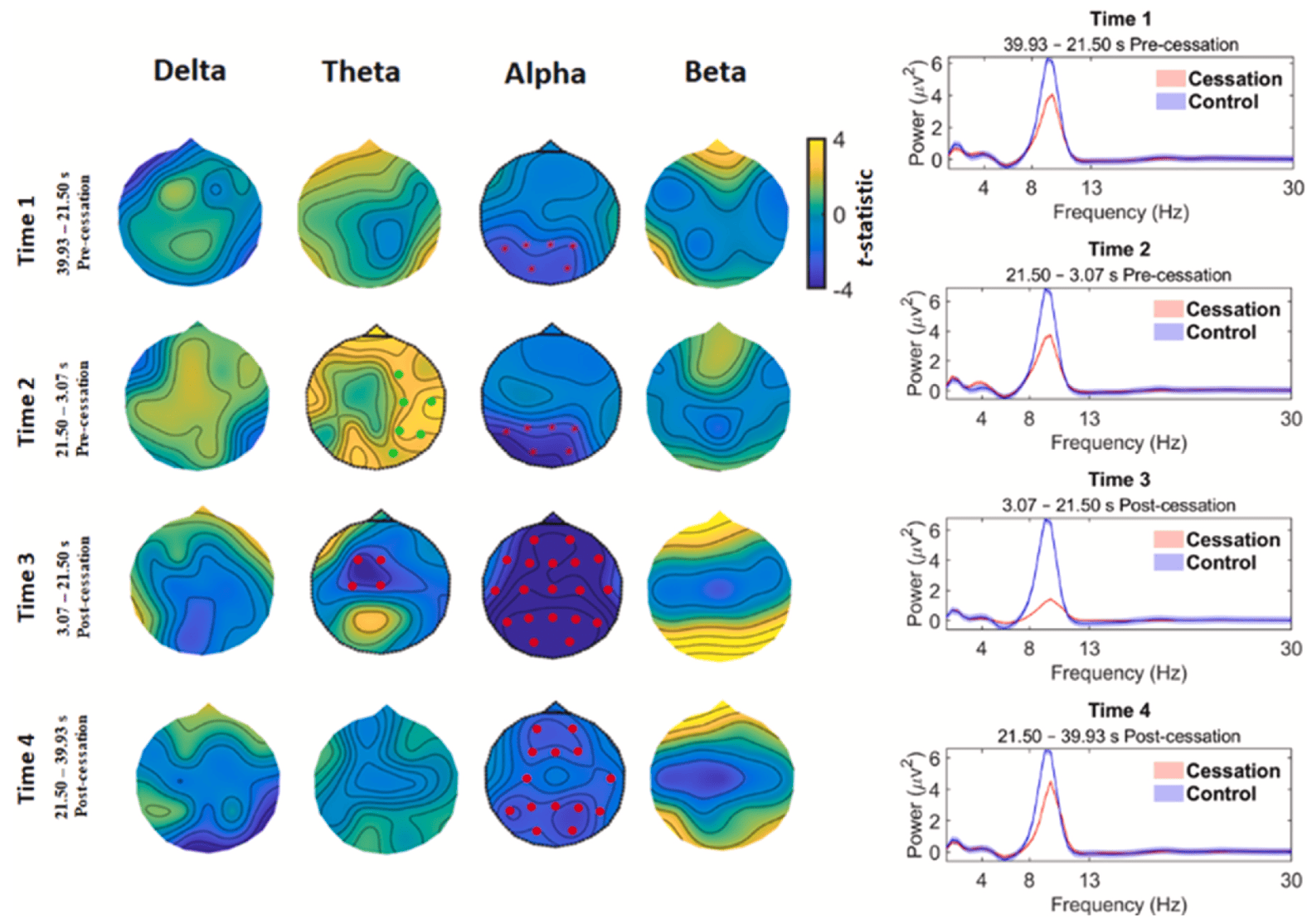
In recent years, researchers have studied advanced meditators more rigorously than ever, combining world-class neuroimaging with detailed first-person reports. What previously sounded paradoxical or inaccessible is increasingly understood as a trainable capacity, the ability to enter immersive states of profound joy and peace (meditative absorptions) that help fundamentally reorient our relationship to everyday experience.
Beginner pianists can only play fast and hard, or slow and soft. "Fast but soft" sounds like an oxymoron, but professional pianists show we can precisely train to separate speed from force. Advanced meditation works the same way: what may have seemed paradoxical (e.g. "effortless effort") are actually a trainable separation of normally fused mental actions, e.g. focus from control, relaxation from dullness, and enjoyment from craving.
While clinician burnout is heavily fueled by systemic pressures, it is internally compounded by mistaking empathic distress for compassion, toxic positivity for appreciative joy, and suppression for equanimity. One side of each pair drives clinician burnout, while the other side builds internal resources that sustain the caregiver as much as it serves the patient. Skilled lovingkindness meditation can train the positive capacities.
The monk and advanced meditator Matthieu Ricard lay in an fMRI. First, he focused on a memory of suffering children without warmth. Areas of his brain associated with pain were activated, and he described dysregulated attention and empathic distress. Asked to switch to compassion, his pain networks deactivated and reward and affiliation networks activated and his focus improved.
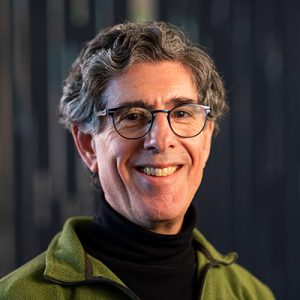
“The Meditation Research Program at MGH is a visionary organization… for the study of advanced meditation practice.”
Richard J. Davidson, Ph.D.
Director of the Center for Healthy Minds, William James Professor, University of Wisconsin Madison
Describe meditation as a collection of subskills that can be trained through intentional, deliberate practice, using key principles from the science of skill acquisition to build a sustainable, accessible, effective meditation practice.
Summarize emerging neuroscientific research on advanced meditators that informs a more complete picture of meditation's benefits for mental health and wellbeing, beyond basic mindfulness.
Explain the principles and potential benefits of meditation practices, including lovingkindness, compassion, forgiveness, gratitude, savoring, concentration, and absorption.
Distinguish between the attentional, constructive, and deconstructive families of meditative skills, and understand how each contributes to balanced meditative development.
Apply the 4R framework (Recognize, Relax, Relief, Return) to strengthen attentional and emotional regulation and to deepen meditative practice in clinical and personal settings.
Employ lovingkindness and warmth meditation practices to cultivate compassion, reduce personal stress, and strengthen the prosocial qualities relevant to patient-centered care.
Integrate meditation practices into daily routines and professional practice, including simple, secular interventions that may be shared with patients or clients when appropriate to the clinical context.
Understand the skills underlying advanced concentration absorption meditation as the trainable decoupling of mental actions that are typically fused (e.g. focus from control, relaxation from dullness, enjoyment from craving).
Outline the emerging neuroscience of meditative absorptions and the progression between these meditative states, including its measurable effects on emotional regulation and wellbeing.
Identify common obstacles to meditation, including distraction, craving, aversion, and the "near enemies" of each practice, along with strategies such as warm acceptance, urge surfing, and affect regulation for working with them.
Use forgiveness and gratitude practices as accessible entry points for practicing warm acceptance and appreciative savoring in daily life and clinical work to support interpersonal repair, emotional flexibility, and improved professional relationships.
Employ compassion, sympathetic joy, and equanimity practices toward self and others to cultivate clinician resilience and counter burnout, while identifying the superficially similar but draining counterparts of empathic distress, toxic positivity, and indifference.
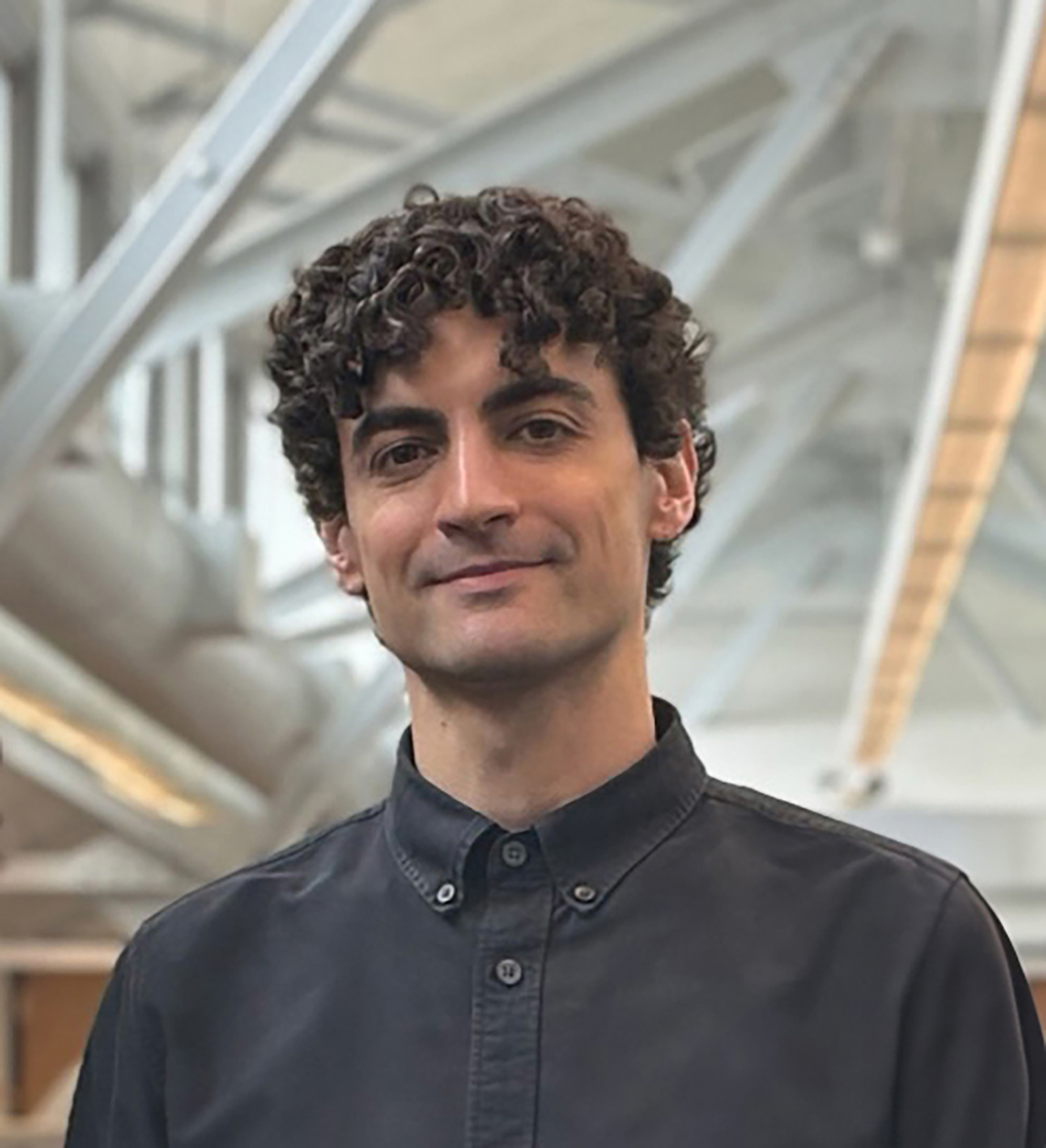
Dr. Sacchet directs the Meditation Research Program at Massachusetts General Hospital and Harvard Medical School, where his lab pioneers the science and training of advanced meditation — using neuroimaging and contemplative science to map deep states of absorption and their potential to reduce suffering and support human flourishing. His work has been featured in Scientific American, TIME, NPR, and beyond.
A lifelong meditator, Dr. Sacchet brings decades of personal practice to his scientific work, bridging first-person contemplative experience with rigorous third-person research. He holds faculty appointments across the Martinos Center for Biomedical Imaging, McLean Hospital's Spirituality and Mental Health Program, and Harvard's Mind Brain Behavior Initiative.
The essentials before you enroll — format, credit, and logistics.
Enrollment is limited to preserve an experiential format. Add your registration link, deadlines, and cancellation policy below.
[Cancellation and refund policy. Group rates available — contact the course coordinator.]