
Welcome
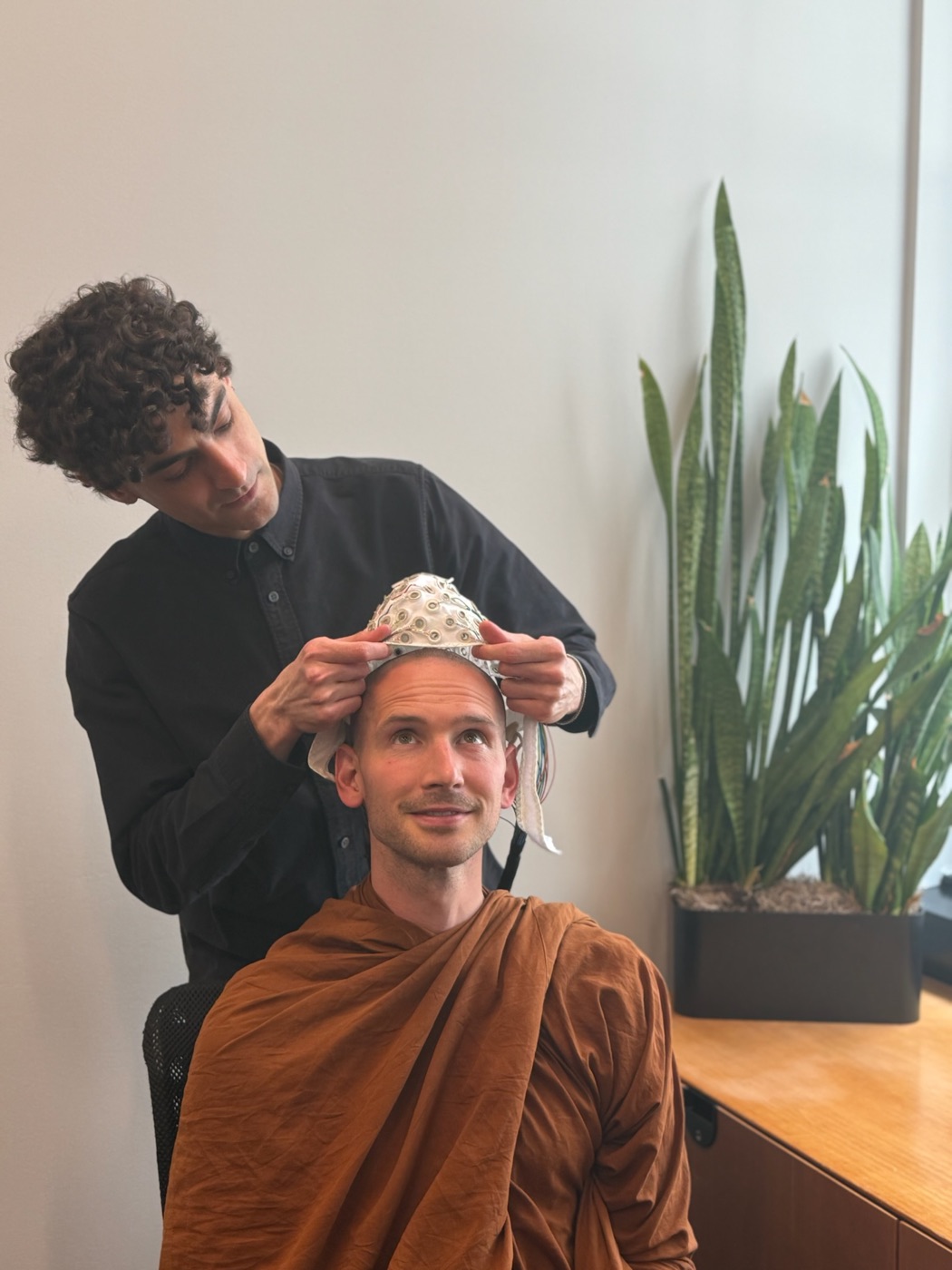
Existing evidence has demonstrated the moderate but statistically robust effects of basic meditation, as seen in large meta-analyses of beginning mindfulness interventions.1 We're starting to see preliminary evidence that the benefits of advanced meditation dramatically extend beyond this.
Our research shows that advanced meditation, with skillful practice and mastery, can yield profound states of ease, bliss, well-being, cognitive clarity, dramatically reduced anxiety, depression, and rumination, and an increased sense of balance even in the face of difficulty.2
Every day I'm deeply inspired by these "Olympic level" meditators. What we learn from them informs the next generation of meditation training and development for everyone.
This course explores how we are starting to systematically understand the way these practitioners train, which is informing how we can study, teach, and practice meditation at every level.3 We aim to develop your understanding and practice of meditation toward greater depth, no matter if you are a beginner or a long-term practitioner.
Format & Goals
The course runs across six classes, one per week. Each class is a self-paced page you can move through in a single sitting or return to over the course of the week. Every class opens with a video lecture, then continues in writing, so you can read, skim, or revisit any part at your own speed.
-
Introduction to the Science & Practice of Advanced Meditation
This class: course structure, the emerging science, and a framework for meditative fitness
-
Cultivating Kindness & Warmth Through Meditative Skills
Lovingkindness meditation instructions; the 4R's framework for working with distraction
-
Working with Distraction Through Savoring & Warm Acceptance
Why suppression backfires; evidence-based practices for meeting difficulty with warmth
-
Dissolving Obstacles With Gratitude & Forgiveness
Entry points for warm acceptance and appreciative savoring; dissolving blocks to kindness
-
The Science & Practice of Advanced Meditative Absorption
Neuroimaging findings; what advanced states actually are and how they become accessible
-
Transforming Burnout With Compassion, Appreciative Joy & Equanimity
Distinguishing compassion from empathic distress; sustainable care for the caregiver
Along the way, we've included:
- Discussion of the scientific research, with figures and expandable citations for anything you want to trace back to its source.
- Descriptions of the related meditation practices, along with key terms you can tap for a plain-language definition.
- Brief knowledge checks to help the material settle, and writing exercises to connect the ideas to your own experience, which you can complete privately.
- Supplementary materials such as guided meditation audios, practice instructions, and handouts gathered on your course dashboard.
You're invited to try practicing these meditation techniques yourself. When doing so, we encourage you to have a playful, open, and curious learner's mindset. You do not need prior meditation experience; the meditations were designed to meet you right where you are.
Think of this course as an invitation, not an obligation.
Our goals with this course are to:
- Support your self-care and personal wellness, to fight burnout, reduce and reverse compassion fatigue, increase fulfillment, and drive better patient outcomes and experiences.
- Improve your skill in relating to patients and colleagues through healthier response to, and management of, difficult emotions including stress or anxiety.
- Help you develop deeper understanding of experiences your patients or clients may have had with meditation, deeper meditative states, and/or altered states.
- Provide you with evidence-based practices you can share with your patients and clients to support their growth both in and beyond the clinical setting.
We are honored to share this science-backed meditation journey with you. We've also tailored much of the course specifically to healthcare providers. May it be useful in your life and vocation.
The Mundanity of Excellence

Before we explore the science of meditation, we want to introduce a central theme of this course. Meditation is not a single mental action, or unapproachable mystery. It is a collection of concrete and understandable skills that can be learned, practiced, and refined.
Let's begin with a story. In 1980, Mary Meagher was a 13-year-old competitive swimmer from Louisville, Kentucky, who had qualified for the National Championships. She decided to try to break the world record in the 200-meter butterfly.
Her coaches helped her make dozens of small refinements. These ranged from the precise angle and timing of each arm pull to her body position during turns and push-offs, as well as the consistency of her training, sleep, and diet. Although all these refinements contributed to her performance, improving the precision of her turns at the wall proved especially important, addressing a key bottleneck in her performance.
Within a year, she broke the world record, and her record held for nearly two decades.
In 1989, the sociologist Daniel Chambliss published a study of Olympic swimmers, including Meagher, that changed how we think about extraordinary achievement.4
After years of embedded observation with such world-class athletes, Chambliss concluded that while talent in athletics is real, it wasn't what was driving differences in performance.
What separated gold medalists like Meagher from recreational swimmers was not merely the quantity of their effort, but its quality: dozens of small, mundane skills, each unremarkable on its own, refined into habit and then assembled into a seamless whole.
We might sometimes prefer to believe that greatness flows from some profound inner gift. But the scientific evidence actually tells us that excellence is made one small improvement at a time.
This has profound implications for our understanding and practice of meditation.
At the Meditation Research Program at Massachusetts General Hospital and Harvard Medical School, part of what we study in addition to "Olympic-level" meditators is what happens when ordinary people learn to do many small things differently in meditation: how they hold their attention, how they relate to difficult emotions, and how they cultivate kindness and warmth in their body.
From this research, we're seeing that benefits of advanced meditation may be far more accessible than most people imagine, instead of requiring rare spiritual gifts and decades of practice in a monastery.
This course introduces the science of a skills-based approach to meditation. We are hopeful that studying and practicing with us can shift your relationship to your heart and mind in positive ways, for your benefit, and the benefit of your patients.
Course Objective: Meditative Fitness
Our goal in this course is to give you scientific information and associated practices that meet you right where you are, but that also enable you to engage more deeply, if and as you desire.
Again, we can use an analogy of physical fitness. Some people may be just starting exercise, others may be regular gym goers, and still more might be preparing for an Ironman triathlon.
The science of physical fitness is helpful to all of them, and also helps show people that truly extraordinary physical fitness is possible and attainable.
This is one reason why we're scientifically studying meditators. We believe that what we learn in our research program can inform the next generation of meditation training. It can also help make your own understanding and practice of meditation deeper, no matter if you are a long-term practitioner or meditating for the first time.
Our goal is to provide a training course for "meditative fitness" that meets you just where you are, from beginner level to true mastery.
Meditative Fitness: Well-rounded proficiency across a range of meditative skills involved in regulating attention, awareness, and emotion, applied with increasing stability, precision, adaptability, and ease.
With physical fitness, you don't need a degree in physiology to start running or lifting, but it helps to know some science behind it. That way, you're not just exercising, but actually understanding why certain exercises work and how they complement each other.
In the same way, we'll give you clear explanations that help you understand meditation itself. We'll explain how different meditative skills relate to one another, how they build on each other, and where some common misconceptions can get in the way.
We've made the scientific foundation of this course as thorough and intellectually rigorous as a college-level course, but each class is built around simple, clear takeaway themes you can apply right away, so that the practices themselves remain accessible. We will revisit key concepts throughout the course and provide supporting documents along the way, so there is no need to absorb everything at once. For those who want to explore the research further, full references are provided alongside each class.
Meditation & Healthcare Professionals
Let's now get more directly into meditation for healthcare professionals and why some of you may have been drawn to this material in the first place.
The majority of individuals who enter healthcare as a career cite a desire to help others as a primary motivating factor. For example, in a survey of nursing students, 91% of respondents said that making "a positive difference in people's lives" was an important factor in their career decision.5
Yet, as we will discuss in more detail later in the course, many healthcare professionals experience burnout, develop compassion fatigue, and/or have a low sense of fulfillment in their work, which is also known as low compassion satisfaction.
Our goal is to equip you with new tools for combating burnout and compassion fatigue and to support you in enjoying greater overall work satisfaction.
Compassionate Healthcare Improves Patient Outcomes
We hope this class helps you improve your well-being and in so doing, also provide better patient care leading to improved clinical outcomes. Considerable evidence indicates that happier and healthier clinicians have patients with better outcomes.
Physician burnout is associated with roughly twice the odds of patient safety incidents,6 as well as lower professionalism and patient satisfaction.
This finding suggests that clinician well-being is not simply a personal matter or an employee benefit. It is a fundamental determinant of patient safety and quality of care and should be taken seriously at every level of medicine, from individual clinicians to teams and institutions.
Encouragingly, the influence runs in both directions. Mindfulness-based programs can reduce burnout in nurses,7 and empathy is associated with positive outcomes, including increased patient satisfaction, reduced anxiety, and better clinical results.8
High-quality healthcare depends on creating conditions in which both patients and clinicians can thrive.
Meditation in Medical Education & Practice

Starting in the 1980s, Mindfulness-Based Stress Reduction (MBSR) laid the groundwork for the benefits of integrating contemplative practices into healthcare. Indeed, there are now many studies, and published reviews, that support mindfulness' effectiveness in reducing stress, enhancing self-awareness, and promoting resilience among practitioners.910
Jon Kabat-Zinn, the creator of MBSR, defined mindfulness as "paying attention in a particular way: on purpose, in the present moment, and nonjudgmentally".11
Over the past 40 plus years, mindfulness has become common in medical settings. For example, a 2019 national survey12 of American and Canadian medical schools estimated that 82% of schools offer mindfulness programming.
Additionally, leading medical organizations, including the American Medical Association and the American College of Physicians, have endorsed a Charter on Physician Well-being that underscores the ethical imperative of self-care practices like mindfulness for maintaining professional competence of clinicians.13
The American Nurses Association also endorses meditation as a self-care strategy and encourages nurses to prioritize their well-being to support high-quality patient care.14
In this course we will build on current mindfulness and meditation offerings within the medical field, and provide additional evidence-based tools for practical use.
How Did Meditation Go Mainstream? The Three Waves of Meditation Research
Research & Public Interest Are Rising Rapidly
Meditation has been practiced in various forms for thousands of years across a wide range of religious and cultural traditions, including Buddhism, Christianity, Judaism, Islam, and others. However, the scientific study of meditation is relatively young, and has rapidly grown in the past 60 years or so.
- Some of the first preliminary scientific studies on meditation appeared in the 1960s.1516
- The groundwork for medicalizing meditation was laid in the early 1970s by Harvard cardiologist Dr. Herbert Benson. Dr. Benson's empirical research and 1975 bestselling book, The Relaxation Response, provided early scientific evidence that meditation can induce a physiological state that counters the "fight-or-flight" mechanism.17
- Following this, a major milestone in modern meditation history was in 1979 when Jon Kabat-Zinn created the Mindfulness-Based Stress Reduction (MBSR) program at the University of Massachusetts Medical Center. This taught mindfulness as a secular tool to help patients manage chronic pain and stress.
We're grateful for Kabat-Zinn and these early scientific forebears. Their pioneering work successfully translated ancient practices into accessible modern interventions, helping make practical stress-reduction approaches available to so many people. Their work also laid the foundation for the ongoing scientific study of contemplative practices in the United States and beyond.
Since these early foundations, scientific research on meditation has grown considerably. This growth has unfolded in three distinct waves, each with their own focus.
The First Wave was roughly from 1995 to 2005. This wave was typified by studies documenting initial positive health-related outcomes of meditation. These studies focused on clinical efficacy of mindfulness.
The Second Wave was roughly 2005–2020. This wave was characterized by increasing methodological rigor, including implementing stricter clinical trials, and studies of underlying neural and psychological mechanisms of positive effects identified in the first wave. The “mindfulness movement” matured into a more prominent cultural force during this period.
The Third Wave started approximately in 2020, and continues on today. This current wave is focused on the study of advanced meditation, or mastery of meditation including states, stages, and endpoints of meditative development.
Over the same period of time, public interest in meditation has also increased dramatically. For instance, a 2024 study looking at data from the National Health Interview Survey estimated that over 60 million adults in the US had used meditation in 2022.18 Based on all of this, it's safe to say that meditation is going mainstream both in the lab and in the living room.
Mindfulness Is Only Part of the Story
When developing early mindfulness programs in the 1980s, pioneers like Kabat-Zinn intentionally adapted the meditation practices to be accessible, ordinary, and rooted in scientific evidence.
To avoid creating unnecessary barriers for a Western audience experiencing immediate suffering, they deliberately set aside deeper meditative development and cultural contexts from which mindfulness originally emerged.
As a result, standard mindfulness focuses primarily on the training of basic attentional skills so that practitioners predominantly learn to more clearly see the habits and movements of the mind. Standard mindfulness is only one kind of meditation practice, and can be thought of as one part of a broader foundation consisting of several meditation skills.19 In this course, we'll explore how we can develop fluency across that broader set of skills, and how that leads to more advanced meditative states and well-rounded meditative development.
The study of advanced meditation brings a breadth, depth, and subtlety that wasn't present in the initial waves of meditation research. Researchers are now studying the far limits and full potential of meditation. Basic mindfulness has become globally widespread as the considerable efforts of Kabat-Zinn and others have firmly taken root. Practitioners and researchers are increasingly turning their attention to what else may be trainable, and achievable.
By moving beyond symptom reduction and basic attentional control, we are now able to explore the profound transformative capacities of human consciousness through the structured and rigorous study of advanced meditation.202122
Advanced Meditation & Deep Transformation
Our research increasingly suggests that advanced meditation can reshape how we think about mental health itself.
To broadly demonstrate how advanced meditation can reshape the ways we think about mental health, let's organize major subfields of mental health research into three frameworks. Each subfield can offer different visions of what mental health can mean:
- Clinical psychology has traditionally focused on symptom reduction, including mitigating anxiety, depression, and rumination to support the individual toward a functional baseline.23
- Positive psychology serves as a crucial bridge from clinical psychology, extending beyond mere recovery from mental illness to the active cultivation of flourishing, resilience, and well-being,24 and highlighting the importance of skills like savoring, forgiveness, and gratitude.
- Advanced meditation goes even further, revealing the mind's greater possibilities, including highly developed concentration and absorption, clearer insight into the nature of self and experience, and extraordinary capacities for compassion, joy, peace, equanimity, and lasting transformation.25
Throughout the course, we will see how these three approaches can build on one another, forming a natural progression. We will trace how unskillful patterns of mind reappear in many different contexts, from our most reactive patterns to the subtlest movements of the mind.
- Symptom reduction
- Preventing relapse and recurrence
- Restoring stability and functioning
- Toward a functional baseline23
- Well-being cultivation
- Savoring and gratitude practices
- Forgiveness interventions
- Toward flourishing and resilience24
- Metacognitive insight
- Fluency in meditative skills
- Meditative absorption
- Toward joy, peace, insight, and deep transformation25
The research from clinical psychology can help us understand and reduce our most pronounced distress and loosen patterns of emotional suppression. Positive psychology practices such as forgiveness and gratitude can help us further, by releasing resentment and deepening our capacity to savor what is good in our lives.
Together, these practices support the ease and collected attention associated with psychological flow states. From there, subtler and more skillful refinements of relaxation, enjoyment, and concentration can lead toward meditative absorption, as we will explore in Class 5.
Across each stage of this progression, a central theme is learning to meet experience without grasping or resistance. We practice enjoying positive experiences without clinging to them or demanding more, while warmly accepting challenging experiences without suppressing them or pushing them away.
How Advanced Meditation Reshapes Everyday Experience
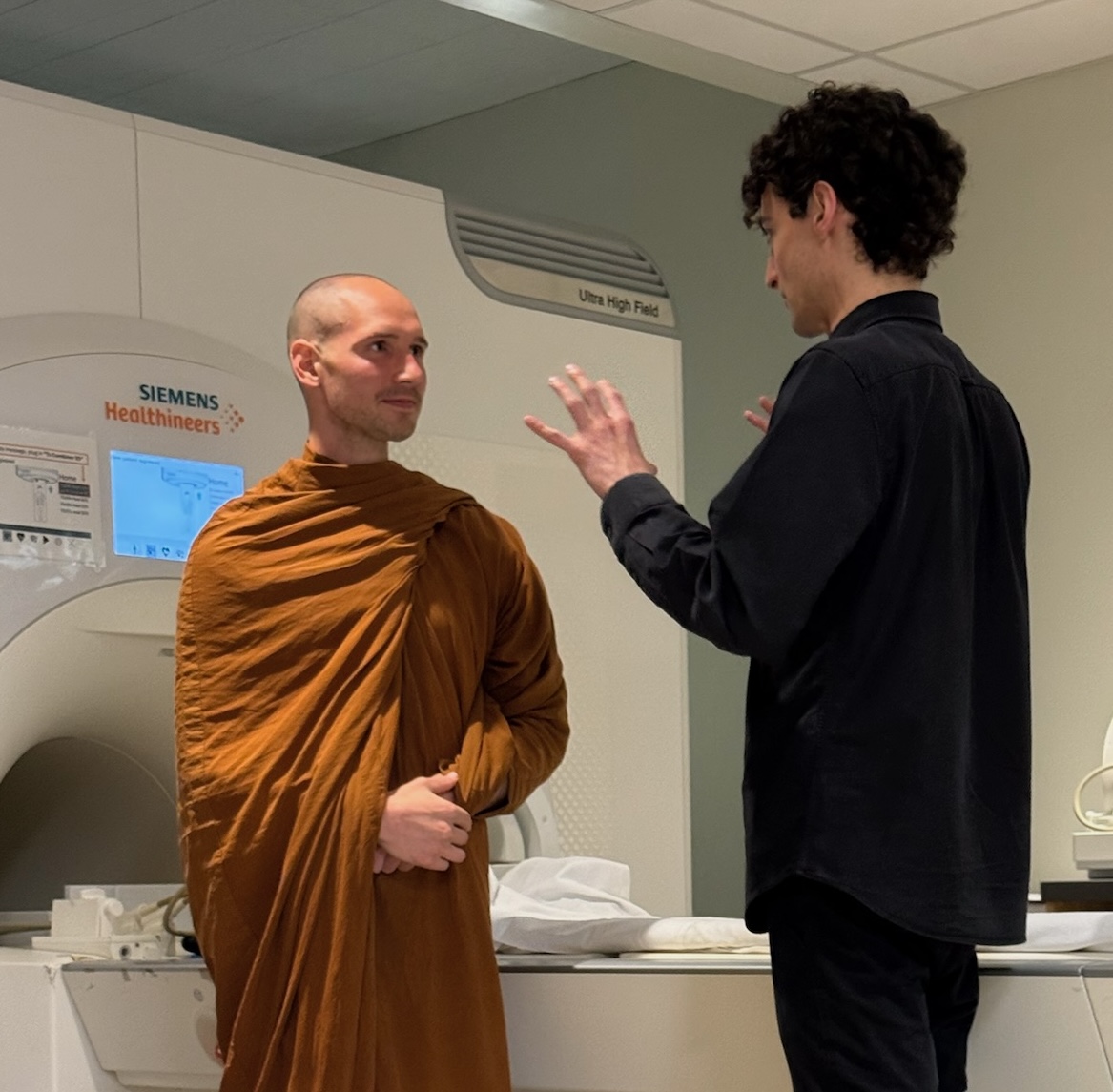
In a recent qualitative study of 28 advanced meditators, participants described global shifts in their experience that persisted outside of their formal meditation practice and into everyday life.2 Key themes emerged, including:
- Physical ease: Feeling good in the body, a sense of somatic relaxation, and even bliss
- Cognitive clarity: Enhanced attention, reduced distraction, and a focused mind
- Reduced anxiety and depression: Substantial improvements in generalized anxiety, social anxiety, panic symptoms, and mood-related difficulties
- Reduced focus on the self: Less rumination, dramatically less identification with a fixed sense of "I/me/mine," and greater capacity to operate from a perspective that decenters the self
- Equanimity and intimacy with everyday life: A more stable mental and emotional state, characterized by balance, calm, and deep connection to experience
Participants also reported improvements in trauma-related conditions, addiction, and attention difficulties. One reported that meditation radically reduced his attention difficulties and actually allowed him to uncover an exceptional ability to concentrate.
Several also reported emerging from prolonged depressive periods into stable, exceptionally high baseline well-being.
While more research is needed, these reports are beginning to reveal what is possible through advanced meditation.
Advanced Meditative States Can Be More Accessible Than Previously Thought
We're increasingly finding that differences between a scattered beginner meditator and a deeply absorbed advanced meditator are not reducible to thousands of hours of practice, or some indescribable, innate talent or luck.
Instead, we're seeing that advanced meditation arises from skill-based proficiency, that is, the ability to reliably perform specific meditative skills, rather than simply accumulated hours of practice.26

Let's recall Olympian Mary Meagher's small training adjustments that led her to claim a world record. Her success aligns with broader research suggesting that meditation outcomes are better predicted when accounting for the depth and quality of practice, not just the quantity of hours practiced or years of experience.272829
To use another sports analogy, two people who have practiced tennis for 100 hours may have vastly different skill levels, based on how they've learned over those hours and how they've integrated their training. We are studying the same effect in meditation.
This is good news. It suggests that some benefits of meditation may be more accessible than many have previously assumed. The key is to pinpoint exactly what skills contribute to meditative development, and to continually refine these skills with good deliberate practice.
Some meditation teachers who we've interviewed report that they've witnessed some meditators experience advanced states rather quickly, without requiring decades of practice that one might expect.
As a reminder, it's always OK to build up slowly from wherever you currently might be in your practice.
Dimensions of a Meditative Fitness Program

Although meditation is often thought of as a single practice, it actually encompasses a wide range of methods that cultivate different mental capacities.
We see this clearly in the scientific research, where different meditation practices are uniquely associated with distinct patterns of brain activity.19 While there are many ways we could group meditative skills, prior research has categorized them into three main “families.” Some practices emphasize one family of skills more than others.30
Dahl, Lutz, and Davidson30 distinguish three broad families of meditation, each of which develops a different set of mental skills.
- Attentional practices: Train the ability to direct, sustain, and monitor attention and awareness with greater stability and flexibility.
- Constructive practices: Cultivate beneficial qualities such as kindness, compassion, gratitude, and equanimity.
- Deconstructive practices: Train letting go of tension, reactivity, habitual thought patterns, and fixed ways of experiencing the self.
Think of these families as similar to strength training, cardio, and flexibility in physical fitness. Each represents a capacity not captured by the others, and overall fitness comes from working with all three dimensions rather than exclusively specializing in any one.
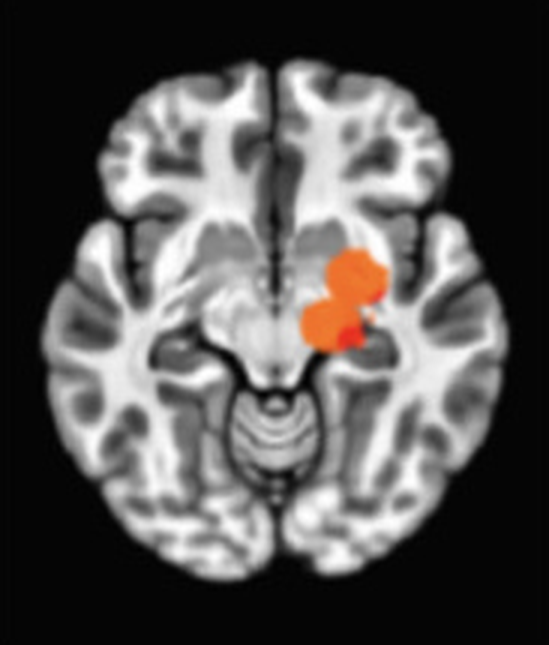
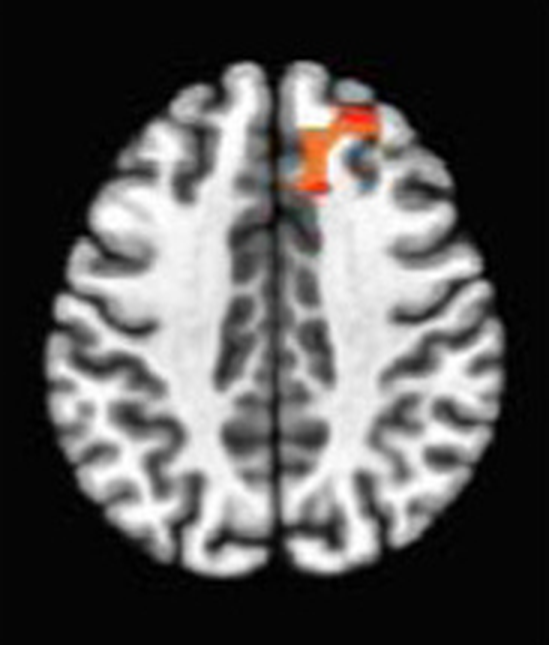
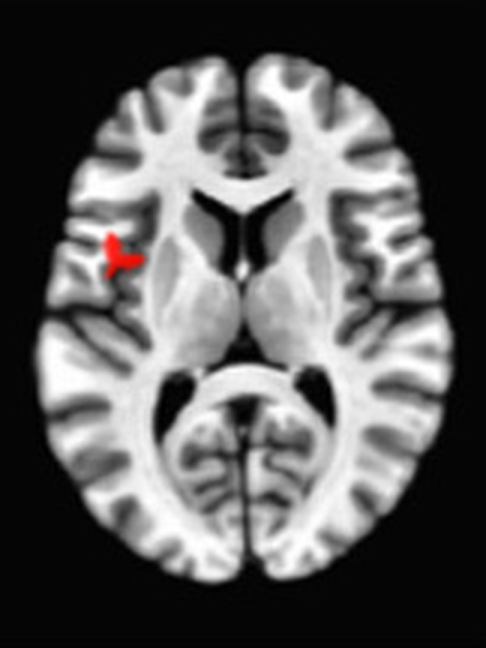
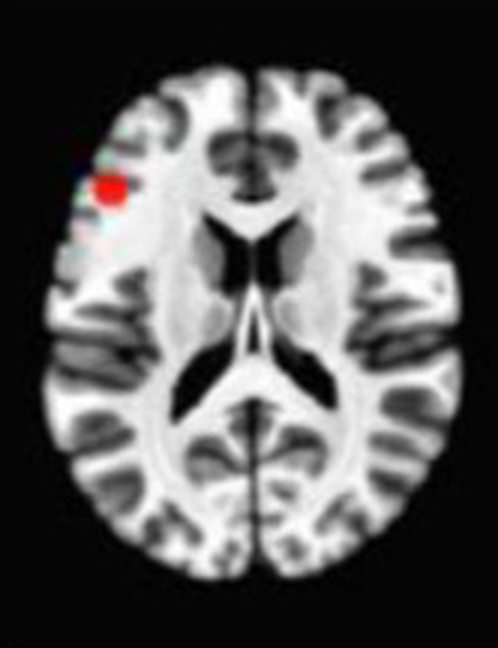
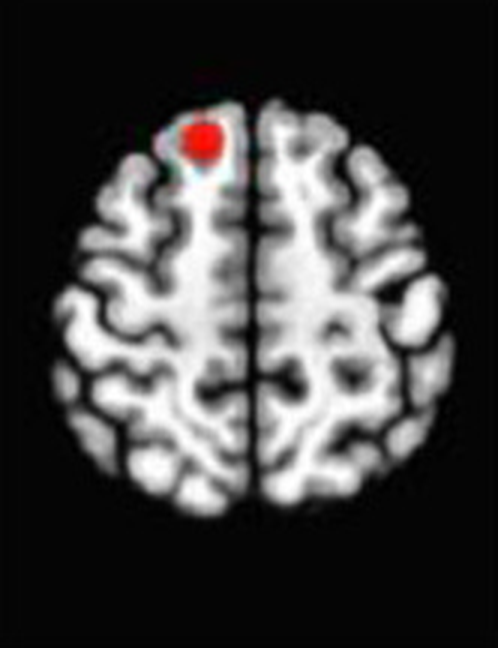
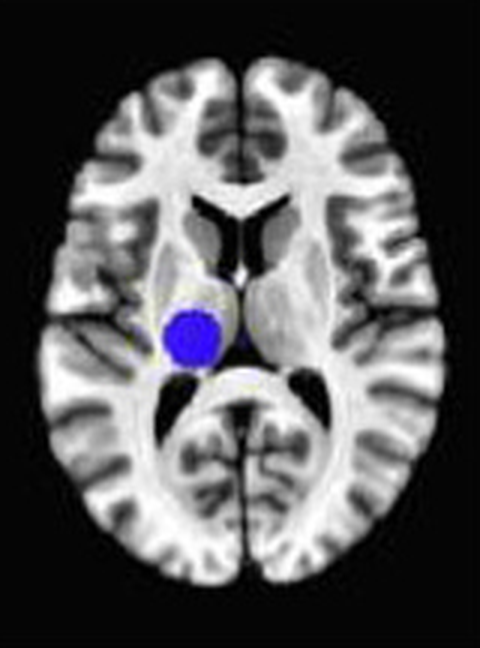
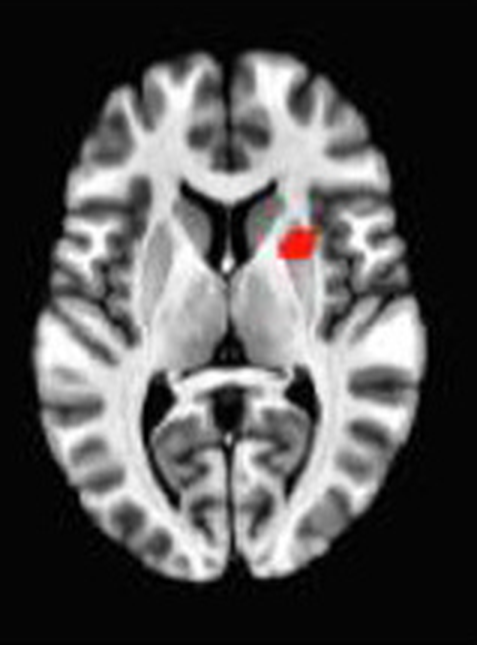
A 2026 meta-analysis pooling 34 fMRI studies of meditation makes this concrete. Meditation, in general, converged on a shared core of regions, but focused attention, open monitoring, mantra recitation, and lovingkindness were each associated with a distinct pattern of brain activation.19
Aggregate meditation34 studies · N = 700
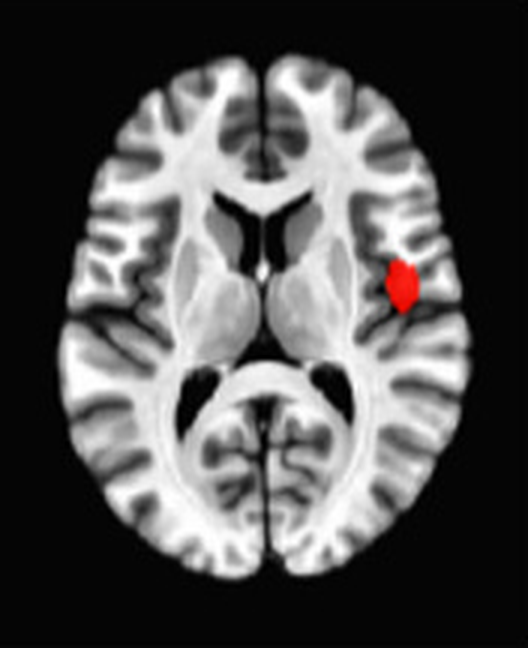
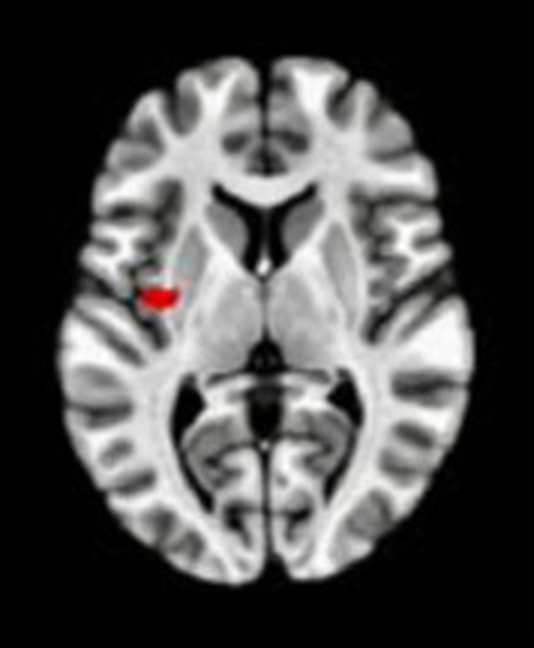
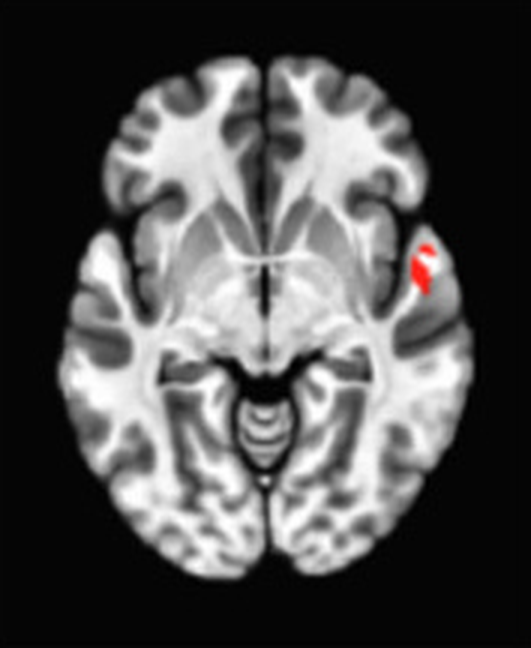
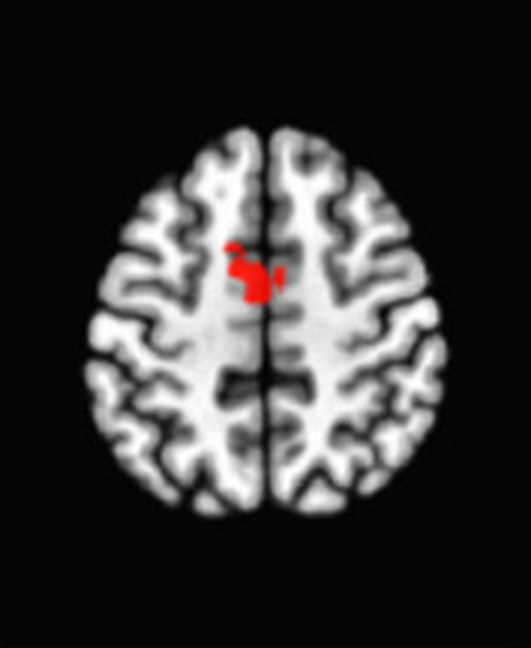
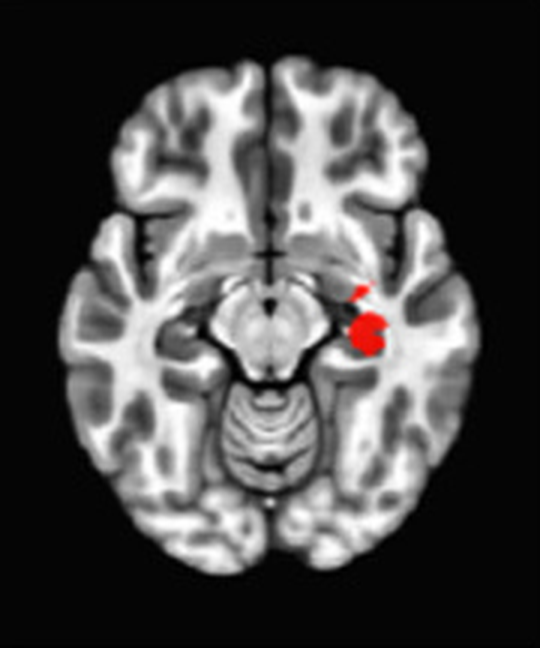
Focused attention17 studies · N = 352
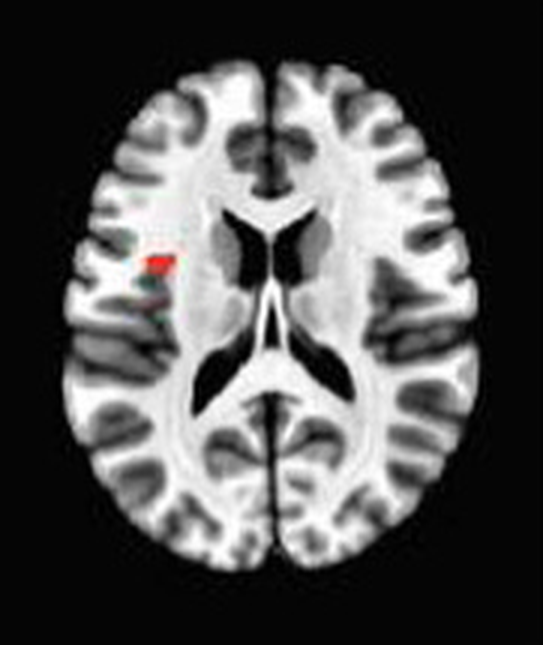
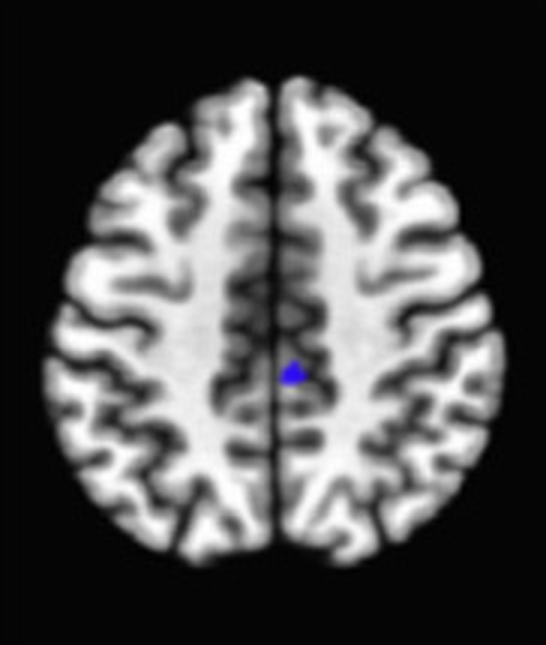
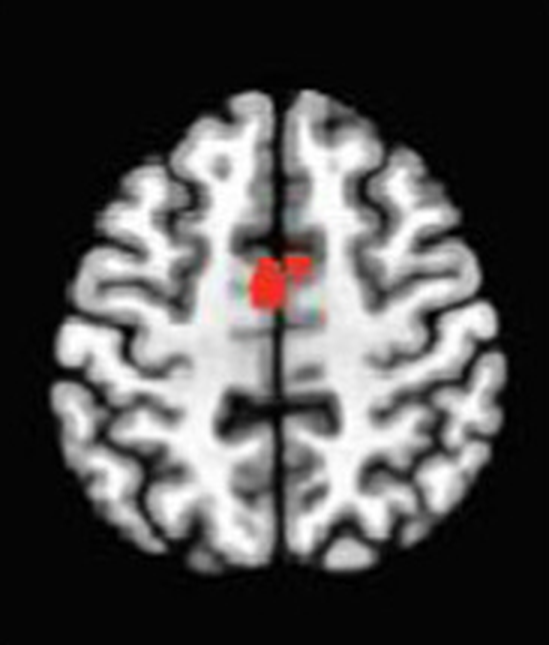
Open monitoring8 studies · N = 69
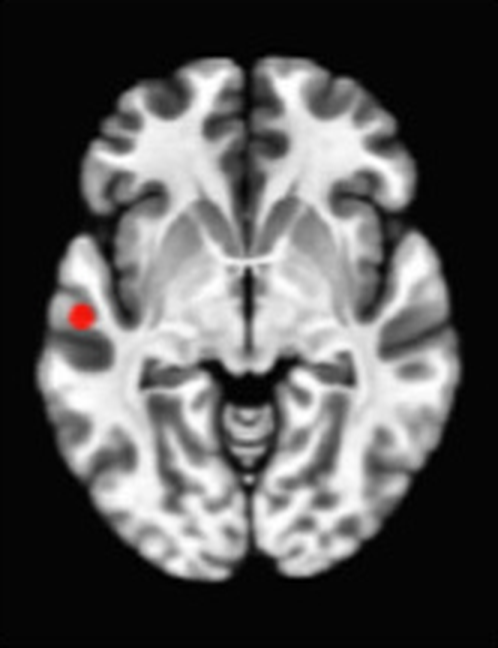
Mantra recitation8 studies · N = 77
Attentional Skills
Attentional skills involve directing, sustaining, and monitoring attention and awareness with increasing stability, precision, and flexibility.
Practitioners can develop these capacities through two distinct but complementary techniques:3
- Focused Attention (FA): Trains the mind to sustain attention on a single object, such as the breath, while repeatedly noticing distraction and returning. This practice can develop stable, concentrated attention.
- Open Monitoring (OM): Trains the mind to remain broadly aware of thoughts, sensations, and emotions without selecting a single object. Practitioners notice experiences as they arise and pass, helping reduce attentional “stickiness” and support flexible disengagement.
As we will discuss in more detail in Class 2, this course will train you in these two complementary attentional meditative skills: deep focus on the feeling of lovingkindness, and a broad, non-reactive awareness of whatever arises at the point of distraction.
Cultivated in tandem, these practices are intended to develop an attention system that is balanced, relaxed, and responsive.
Constructive Skills
Rather than just simply observing what arises in the mind, constructive skills focus on the development of wholesome capacities including kindness, compassion, joy, and equanimity.
Practitioners intentionally cultivate these states by learning to notice, generate, nurture, sustain, and savor them.
The evidence supports treating these qualities as trainable skills we can develop with targeted practice.
-
In one study, brief compassion training increased altruistic behavior toward a person outside the training context and was associated with altered brain responses in systems involved in social cognition, emotion regulation, and reward.31
-
Larger longitudinal work found that emphasizing lovingkindness, compassion, and empathy produced effects distinguishable from meditation training that focused on awareness of the breath and body, including distinct patterns of structural brain change and lower cortisol stress reactivity after training.3233
-
A meta-analysis of 23 studies found that lovingkindness interventions improved mindfulness, compassion, affect, and psychological symptoms, although single session and brief interventions did not always produce statistically significant benefits beyond other wholesome practices, such as gratitude or acts of kindness.34
-
In a randomized study, a lovingkindness course raised daily positive emotions steadily across eight weeks while a comparison group showed no clear trend, and those accumulated gains predicted growth in personal resources such as social support and purpose in life.35
Lovingkindness meditation increases positive emotion
Deconstructive Skills
Deconstructive skills focus on letting go of tension, discursive thought, and emotional reactivity, relaxing self-awareness, and releasing distraction and negative patterns.36 Practitioners train to let go of internal stories and difficult emotions.
- In beginning meditators researchers describe this basic form of “letting go” as decentering, or learning to notice thoughts and emotions without identifying with them or reacting to them automatically.37 In a randomized study of beginning meditators, a single 15-minute mindful-breathing exercise strengthened this capacity and reduced negative reactions to repetitive thoughts.38
- In advanced states of practice, meditators refine this much more deeply and report releasing fundamental elements of experience like selfhood, space, and time.3940 You can think of these as increasingly deep states of rest and release.
- In future classes, we'll explore further how advanced meditators can train deconstructive skills. The effects of these states of deep rest and release are described as profound, including experiences of clarity, peace, and freedom from psychological suffering.4142
Differentiating Attentional and Constructive Skills
The distinction between attentional and constructive skills becomes more concrete when we compare focused attention with lovingkindness meditation in the brain.
This comparison is especially important for this course because we foreground the cultivation of lovingkindness rather than treating meditation primarily as attention training. As we will discuss throughout the course, developing these constructive capacities is particularly important when integrating meditation into a caring profession.
The table and interactive brain viewers below summarize and help visualize differences. They draw on the meta-analysis of 34 fMRI studies mentioned above, with 17 examining focused attention and 5 examining loving-kindness. 19
The regions each practice is reported to engage, shown in one brain
- Greater than control: Left insula
- Greater than control: Supplementary motor area
- Greater than control: Right hippocampus
- Greater than control: Right superior frontal gyrus
- Lower than control: Right middle cingulate
- Greater than control: Prefrontal cortex4 of 5 studies inferior, middle, dorsolateral and medial
- Greater than control: Anterior cingulate cortex3 of 5 studies
- Greater than control: Posterior cingulate cortex2 of 5 studies
- Greater than control: Cerebellum2 of 5 studies
The key point we wish to emphasize is that different styles of meditation cultivate different meditative skills to varying degrees, and are often associated with distinct brain regions. This supports the broader idea that attentional and constructive capacities are related but distinguishable, and often develop somewhat independently depending on how a person practices. A well-rounded approach should therefore target and build a broad foundation across multiple meditative skills rather than developing one skill in isolation.
Kindness & Warmth Meditation Touches on Multiple Skills
In this course, we will teach a style of lovingkindness meditation that functions as mental cross-training, by simultaneously training subskills from each of the attentional, constructive, and deconstructive families.
These skill families can be understood as groups or clusters describing the different subskills cultivated through meditation practice.4546
By training in this style, you'll practice focusing the mind, actively generating emotional warmth, and gracefully releasing and relaxing tension. This approach is designed to build a robust foundation for your overall meditative fitness and development.
Ultimately, we believe that this method provides an excellent introduction to some of the types of practices we study. This method will equip you to handle early distractions while preparing you for the more advanced states of absorption taught later in the course.
Here is a chart with families of meditative skills and their related subskills. As you can see, attentional skills focus on monitoring, naming, and noticing. Constructive skills focus on the development of warmth, compassion, and equanimity. And deconstructive skills focus on the training of releasing, relaxing, and letting go.
- Monitor / recognize focus
- Naming and noticing
- Sensory sharpening
- Narrowing and broadening awareness
- Decentering (story → sensation)
- Warmth and kindness
- Compassion
- Appreciative joy
- Equanimity / acceptance
- Allowing, softening
- Savoring, sparking
- Releasing
- Relaxing
- Letting go
- Forgiving
- Unclenching (releasing grasping/craving)
Not Just Concentration: Integrating Warmth & Acceptance

From their inception, Mindfulness-Based Stress Reduction and other mindfulness programs have emphasized acceptance alongside awareness. Kabat-Zinn's foundational definition calls for "paying attention on purpose, in the present moment, and non-judgmentally," embedding both of these dimensions from the start of training.
In practice, many people still arrive at meditation believing it is primarily or even exclusively a form of attention training, and become frustrated or discouraged when concentration proves difficult.
That frustration, we think, reflects a mistaken premise: that meditation is one skill. In contrast, throughout this course we present that meditative activities such as monitoring and focusing, or cultivating equanimity and lovingkindness, are not facets of a single undifferentiated ability, but are better understood as distinct skills.
Acceptance Increases Positive Emotion
Just as one muscle might get stronger than another depending on the specific exercise regimen, scientific research clearly demonstrates that these contemplative skills can be trained separately, and also that they should be developed in thoughtful relationship to one another for maximum benefit.
A large-scale training study and related review demonstrate that different structural changes emerge in the brain after cultivating present-moment attention and awareness compared to cultivating lovingkindness and acceptance.4748
Because meditative activities are distinct capacities, in this course we will treat each one as a separate, trainable subskill. This will enable us to train toward a richer, more fluid and well-rounded meditative repertoire.
The Difficulties of Awareness Without Acceptance

We want to underscore that the distinction between awareness and acceptance really matters. Thinking of meditation purely as an exercise in monitoring or focusing leaves out a crucial mechanism for well-being and meditative development. Some evidence indicates that training awareness without a deliberate focus on warmth and acceptance in meditation may increase stress, anxiety, and emotional reactivity.4950
In other words, simply paying closer attention to our internal states can actually increase emotional reactivity if that heightened awareness is not paired with non-judgmental acceptance practice.51
In one randomized controlled trial, participants were trained to monitor their experience, and some were trained to also accept their experience. Only those who also learned to accept their experience had significantly reduced cortisol and systolic blood pressure, while those who learned only monitoring did not experience these same stress-buffering effects.52
Equanimity: an even-minded stance toward pleasant, unpleasant, and neutral experiences. It involves remaining clearly aware without automatically clinging to what feels good, resisting what feels bad, or disengaging from what feels neutral.
Lovingkindness: a warm, caring orientation toward oneself and others, grounded in a sincere wish for well-being. It involves intentionally generating, sustaining, and extending a felt sense of warmth, friendliness, and goodwill.

Including Lovingkindness
Acceptance, often known in contemplative traditions as equanimity, is a key skill developed throughout this course. However, it is distinct from lovingkindness, which involves actively cultivating warmth and goodwill.
While equanimity and acceptance provide a crucial, non-judgmental openness that stops us from resisting our own minds, lovingkindness cultivates a positive presence, bathing difficult sensations in soothing warmth, compassion, and care.
Longitudinal studies of the brain and stress physiology have found that lovingkindness actively builds wholesome emotional resources and resilience in ways that neutral equanimous awareness alone does not.3233
Place Greater Focus on Acceptance & Warmth, Versus Awareness
This next distinction is crucial: warmth and acceptance are active competencies, not passive byproducts of focused attention.
It is tempting to assume that if we observe our experience closely enough, kindness toward that experience will follow on its own. The evidence above suggests otherwise. Participants trained only to monitor their experience did not show the reduced cortisol, the lower blood pressure, or the gains in daily positive emotion that appeared once acceptance was trained alongside monitoring. Attention brought those participants into contact with their inner lives; it did not, by itself, change how that contact felt.
Cultivating warmth and acceptance is an active, deliberate process, not a passive surrender. Generating a somatic sense of kindness toward our own internal resistance requires determined intentionality.
This is why we ask you to weight your practice toward acceptance and warmth. As we noted at the start of this class, most people arrive at meditation already convinced that the work is attention. Attention is therefore the half that gets trained by default, while the capacity to meet what we notice with warmth is left to develop on its own, if it develops at all. Placing greater focus on acceptance and warmth is a correction for that imbalance, not a claim that awareness is unimportant.
Awareness remains the ground the other skills stand on. We cannot soften around a difficult emotion we have not yet noticed, and every acceptance practice in this course begins with monitoring something. The point is one of emphasis: awareness is the half you are most likely to already be training, and warmth is the half most likely to be missing.
We thus treat the ability to soften into our experience around difficult emotions as a primary contemplative competency. Because it is a skill rather than a mood, it can be named, isolated, rehearsed, and improved, which is precisely how we will approach it for the remainder of this course.
Isolating, Refining & Integrating Meditative Skills
Studies of isolated specific meditative skills suggest that combining basic attention training with a deliberate focus on compassion and lovingkindness drives more robust reductions in stress. This combination builds distinct internal resources that go beyond the mere ability to be consistently aware of mental content.535455
In other words, it isn't enough to just observe our thoughts and feelings; the goal of meditation isn't just passively noticing our own suffering. We must also train ourselves to respond to these experiences skillfully.
By learning to access emotional qualities and mental strategies including warmth and forgiveness, we can develop greater compassion and clarity for relating to ourselves and others.
To achieve this, we approach the often complex, undifferentiated concept of "meditation" and "mindfulness" through a "whole-part-whole" pedagogical model.56
That is, we break these practices down into discrete, trainable subskills such as monitoring awareness, focusing attention, releasing distractions, and sparking lovingkindness. As these subskills become automatic, they integrate into an increasingly unified practice.
Ultimately, the goal is to reintegrate these individual parts into a seamless, fluid whole, a unified practice designed to support you on the meditation cushion, on the healthcare frontlines, and in your broader life.
With this evidence-based, multi-layered, and lovingkindness-centered framework in mind, let's now turn to the science of deliberate practice, where decades of research on expert performance provides clear guidelines for how to effectively build and master these skills.
Deliberate Practice as a Foundation for Meditative Training
As meditation can be understood as a collection of trainable sub-skills, the next question is how to master these subskills. The answer comes from performance science, which studied expertises across disciplines, found common themes, and defined deliberate practice as the structured, feedback-driven repetition of specific skills at the edge of one's current ability.575859
Key differences between deliberate practice and ordinary practice include specificity and feedback.
In the science of skill development, specificity means practicing clearly defined sub-skills rather than just attempting the whole activity at once. Feedback means receiving information, from a teacher, a measurement, or your own careful observation, that shows what is improving, what is not yet working, and what to adjust next.
Deliberate Practice: the structured, feedback-driven repetition of specific skills at the edge of one's current ability. It differs from ordinary practice in two respects: specificity, training clearly defined sub-skills rather than attempting the whole activity at once, and feedback, receiving information from a teacher, a measurement, or one's own careful observation about what is improving and what to adjust next. In meditation, feedback is largely internal: shifts in bodily sensation, changes in emotional tone, or the quality of attention itself.
Reframing meditation as deliberate practice matters because novice meditators all too often abandon meditation, reporting frustration with their wandering mind606162, rather than taking the mind wandering as information and an opportunity to practice and improve.
Quitting meditation because of mind wandering is akin to quitting exercise because you get tired walking up a hill. The point is that you can practice meditation at a level appropriate to your current ability and then build from there.
Basic Meditation Interventions Versus Deliberate Training
The concept of deliberate practice allows us to address a tension you may be feeling. Like many, you may have already tried meditation and noticed only moderate positive effects, if any.
We often see a similar pattern in scientific research on mindfulness or other forms of basic meditation. Studies of beginning meditators tend to yield statistically robust but modest effects, especially in better-controlled studies.6364

In contrast, research on advanced meditation is documenting brain states and dramatic capacities for stable attention, bliss, and peace that have never before been the topic of scientific research.
So what explains this gap between meditation's deeper potential and the modest results that many people actually experience?
One way to reconcile this tension is by carefully distinguishing short-term, casual practice from longer-term deliberate training. By analogy, consider two different groups.
- The first goes to the gym for 6 to 8 weeks but does not challenge themselves, perhaps walking on the treadmill for 20 minutes while scrolling on their phone
- The second follows a challenging, well-designed workout program for over a full year, carefully tracking performance and recovery, and seeking improvement through every session
We expect very different results from these two groups, and the same principle applies to meditation.
Often people exercise below a threshold that would produce change. For example, in one study novice lifters were asked to choose a weight they felt would be sufficient to improve their strength. On every exercise they chose loads well below the minimum intensity needed to drive measurable muscular adaptation.65
Please note that we are not saying your meditation needs to be “intense” to yield effects, especially if intensity is understood as tension, unpleasantness, or dissociation. As we will discuss in the next class, skilled relaxation is key. What we are saying is that practice must be of sufficient quality and quantity to produce a meaningful effect.
Indeed, this is true even in weight lifting. Strength depends not only on contracting the right muscles, but also on skillfully releasing unnecessary tension in the muscles that oppose the movement.66
In addition to insufficient intensity, inconsistency is common in exercise. For example, after buying a gym membership average visits drop to less than one per month by the end of the first year.67
In these cases, a failure to see large benefits does not mean exercise has failed. It means that mild, inconsistent training only demonstrates a small part of the potential of exercise.
The same is true of meditation. Sitting down sporadically, daydreaming through practice, and failing to train specific meditative skills is more like irregular, low-effort gym attendance than it is like serious athletic training.
Conversely, exercise science also shows dramatic changes when the training is sufficiently challenging. A group that initially failed to respond to exercise adapted and benefited once training volume was increased.68 In another study, sedentary middle-aged adults completed a two-year progressive protocol, which required them to steadily increase the intensity of their workouts. As a result, they increased their cardiovascular fitness and reversed aspects of age-related cardiac stiffening previously thought to be irreversible.69
This may be easier to understand intuitively when it comes to our bodies. For example, not everyone can become an Olympic athlete, but with sufficient focus, discipline, and proper training, many able-bodied people can complete a marathon or triathlon, even if they were once sedentary. The emerging science of advanced meditation suggests a parallel process for our minds.
From this perspective, much of the meditation research literature can be understood as studying the equivalent of "low challenge and low consistency exercise", and less like athletes training for excellence. Most studies do not train meditation as a set of clearly defined subskills. They also rarely provide enough time for deeper transformations to unfold, and often rely on relatively general instructions framed around wellness, stress reduction, or basic relaxation.
Additionally, many studies (and many meditators) fail to carefully distinguish the target skill from adjacent mental activities that look similar on the surface but may actually hinder meditation. We will discuss more next week in Class 2. This will include examples such as failing to carefully differentiate relaxation from dullness, compassion from pity, and focus from tension.
Many would-be meditators encounter internal tension or mental blocks that prevent them from engaging more deeply with the practice. Don't worry if this describes you. Later in the course we will share extensive tools for supporting you in these instances.
Indeed, as we will discuss more next week, benefits of meditation are better predicted by the quality of practice, such as "balanced perseverance and resolve"70, than by the quantity of practice.272829
Let's now look at common components of deliberate practice in other activities and how they relate to meditation training.
Core Components of Deliberate Practice
In deliberate practice, both quality and quantity matter. Reliable, repeated practice solidifies skills and drives learning forward. Yet, as the story of Olympian Mary Meagher shows, it is precision, feedback, and reflection that account for much of the variance in how skills develop.
Unlike casual repetition, deliberate practice introduces tasks that feel harder in the moment but produce better retention and transfer over time.575859
Here is how we'll apply components of deliberate practice to the training of meditation:
- Well-defined, specific goals: Deliberate practice means targeting concrete core skills every session, not sitting down with a vague intention to "meditate for 20 minutes." Different sessions may train different themes, such as sustaining warmth, practicing forgiveness, or releasing distraction, but the underlying work is a process of continuous quality-based skill building. Wherein quality is defined by the balanced perseverance and receptivity that distinguishes sincere meditation from undirected sitting.70
- Appropriate level of difficulty: The greatest improvement happens just beyond your current ability, in the zone where practice feels challenging but not overwhelming. We'll help you calibrate this throughout the course.
- Frequent informative feedback: In meditation, feedback comes from within, through shifts in bodily sensation, changes in emotional tone, or the quality of your attention. Throughout this course, we'll introduce a variety of concepts as tools for honestly assessing your own progress.
- Repetition with refinement: We will revisit the same practices many times. We'll use metacognitive reflection, noticing how your experience changes session to session, to keep this from becoming mindless repetition. Each revisit will be an opportunity to refine rather than simply repeat practices.
- Willingness to work with challenges: Practice will not always feel pleasant. Aversion, boredom, restlessness, and doubt are not signs that something is wrong. They are another form of feedback. Learning to treat difficulty as helpful information, rather than evidence of failure, is one of the most important shifts this course can help you make.
Practicing With Difficulty
A key to effective deliberate practice is how we relate to challenge and discomfort.
Deliberate practice requires feedback, but feedback is double edged. It supports learning when it points attention toward the task, the strategy, and the next adjustment. It can interfere with learning when it becomes self-focused or self-critical. In that case, the learner's attention shifts away from "What happened?" and "What should I try next?" toward "What does this say about me?" That shift can create frustration, shame, defensiveness, rumination, or avoidance, all of which make the feedback harder to use. The mistake is no longer just information. It becomes a threat to the self.717273
Failure can be reframed as information. Individuals who experience errors or perceived failures as useful data rather than signs of inadequacy have higher self-efficacy and are more motivated and seamless learners.7475
Discomfort can be turned into growth. Research has found that meditators can learn to interpret aversive experiences in more adaptive ways, learning to find meaning, significance, or growth potential. This is called positive reappraisal, and it is associated with higher levels of positive affect and well-being.767778
Genuine progress in meditation requires commitment, practice, and a willingness to stay with what is confusing, unclear, or uncomfortable.
It's important to develop self-efficacy. The belief that you can execute the behaviors needed to reliably produce a desired outcome predicts skill initiation and maintenance.798081
This course builds efficacy by breaking meditation into concrete, practicable skills.
Furthermore, how you think about your own capacity can shape how far that capacity may develop. A growth mindset helps. A pre-registered trial studied 12,000 students. It found that even a short, less than an hour, intervention reframing intelligence as something that grows with effort rather than something you are born with led to meaningful improvements in academic performance.
Students who were struggling the most benefited the most, suggesting that mindset interventions may be especially helpful when self-doubt is high.82
The same principle applies here with meditation training. If you approach meditation believing that focus, emotional warmth, and equanimity are skills you can train, rather than traits you either have or lack, you are far more likely to persist through the early stages of practice wherein progress can feel slow or even nonexistent.
In sum, believing a skill can be developed through careful practice is essential in forming and maintaining effective, deliberate practice.
Building Intrinsic Motivation for Meditation
Deliberate practice provides a structure for improvement, but structure alone will not sustain practice over months and years. The good news is that meditation, practiced well, can naturally generate the kind of rewards that make you want to return to it.83
We believe meditation can and should be enjoyable. Our goal is to help you build a practice that feels manageable to start, rewarding to develop, and sustainable over the long term, and not another obligation or a chore to feel bad about skipping.
To help keep you motivated, we will return to themes of wholesome motivation (or why you are practicing) and aspiration (or who you want to become) throughout the course.
Intrinsic Motivation & Positive Feedback Loops

None of this happens automatically. The personal and interpersonal benefits of meditation depend on the practitioner actually maintaining practice. One of the persistent challenges in contemplative science is understanding what makes this kind of practice maintenance happen.
We at the Meditation Research Program believe a key part of the answer is building a positive feedback loop between practice and reward. As practitioners develop greater meditation skill, they also tend to develop greater intrinsic motivation, a connection supported by multiple meta-analyses.8485
This matters because intrinsically motivated behaviors persist over time more reliably than those driven by external pressure.8687 This idea has been codified in self-determination theory, or SDT.
SDT identifies three core psychological needs that, when nurtured, help intrinsic motivation develop and strengthen. This course has been designed to support all three needs:
A sense that your actions are self-chosen. This course offers core techniques with meaningful choice in how you practice, so your meditation can feel like your own.
Feeling effective and capable of growth. Clear frameworks, structured reflection, and feedback tools help you recognize your development and build confidence in your practice.
Feeling connected to others. Our focus on lovingkindness, compassion, and equanimity strengthens your felt connection throughout the course, and knowing others are training alongside you can help sustain your engagement over time.
Together, these elements create the conditions under which intrinsic motivation can take root, and grow.
Staying Connected to Short-Term & Long-Term Benefits
Part of what makes meditation practice sustainable is that you do not have to wait long to experience benefits from your efforts. Meditation can reward practitioners both in the moment and over time.
Just as exercise produces both an immediate endorphin response and lasting improvements in mood and fitness, meditation rewards practitioners on two timescales:
- Short-term benefits: Immediate feelings of stress relief, calm, warmth, or joy that arise within and after a session
- Long-term benefits: Sustained improvements in baseline contentment, well-being, focus, and compassion that develop with consistent practice over weeks, months, and years
Both of these timescales of reward matter. The short-term rewards give you a reason to sit down today; the long-term benefits give you a reason to keep going. Together, they can help practitioners move from discipline to genuine enjoyment, making meditation something you want to do rather than something you feel you should do.
And over time, something else can happen. The boundary between practicing for yourself and practicing for others begins to soften. The calm, clarity, and kindness you develop on the cushion do not stay on the cushion. They show up in how you listen, how you respond under pressure, and how you treat the people around you.88
Clarifying Your Motivation and Setting Goals
The following series of short writing exercises will help you clarify what draws you to meditation, imagine the future you hope to create, and consider what may happen if limiting patterns remain unchanged. You will then translate these reflections into meaningful goals, practical next steps, and flexible plans for working with obstacles.
[This section adapts copy from a separate goal-setting worksheet, so treat the exercises below as placeholder. We're just testing out how the reflection and writing-prompt components will look and feel for the exercise portions of the course.]
Wholesome and Unwholesome Motivation for Meditation
People begin meditating for many reasons, and most of us have a mixture of motivations. For this reflection, wholesome motivations are those that support greater awareness, care, flexibility, and engagement with life. Unwholesome motivations are those that tend toward avoidance, rigid control, self-judgment, or seeking to feel superior. These are not fixed categories or moral judgments. A motivation may contain both elements, and it can become wiser over time.
The same underlying motivation can turn either way:
Wholesome motivations tend to orient meditation toward deeper engagement with life, relationships, and meaningful action (Jiwani et al., 2022). Meditation may become less helpful when it is primarily used for avoidance, self-punishment, rigid control, or spiritual self-enhancement (Fox et al., 2017; Gearin et al., 2025; Gebauer et al., 2018; Vonk & Visser, 2021).
Reflect honestly on the motivations you bring to meditation. What wholesome motivations draw you toward practice?
Are you also hoping meditation will help you avoid, suppress, eliminate, control, perform, or prove something, and how might those less helpful motivations be understood with compassion and redirected toward a wiser purpose?
What intention would you like to carry into this course?
Creating a Future You Can Move Toward
As you move through this course, we invite you to think not only about what you hope to learn, but also about what you want this experience to make possible in your life and work. You may want to feel more present with your patients, reconnect with the meaning that first drew you to clinical care, strengthen your own resilience, or begin reversing patterns of exhaustion, disconnection, and burnout.
Research suggests that goals are most effective when they connect a meaningful long-term direction with specific, achievable actions. Imagining a realistic "best possible future" can increase optimism and positive affect, particularly when people write about a future they could plausibly create through sustained effort (Carrillo et al., 2019; King, 2001). Broad visions help clarify what matters, while concrete goals direct attention, effort, and persistence toward attainable outcomes (Locke & Latham, 2002).

A positive vision alone, however, may not be enough to produce change. Goal pursuit becomes more effective when people contrast the future they want with the internal habits and external conditions that could prevent it (Oettingen et al., 2001). Goals are also more motivating when they reflect a person's genuine values and interests rather than guilt, pressure, comparison, or other people's expectations (Sheldon & Elliot, 1999).
Finally, goals are more likely to influence behavior when they are translated into specific plans. Process simulation, or imagining the steps required to make progress, tends to be more useful than simply imagining success (Taylor et al., 1998). "If-then" plans can help people respond more skillfully to predictable obstacles, while regularly recording and reviewing progress can strengthen goal attainment over time (Gollwitzer & Sheeran, 2006; Harkin et al., 2016).
Imagine that several years have passed and your life has developed as well as it realistically could: not perfect, and not free of setbacks, but shaped by repeated choices, learning, support, and sustained effort.
What are you doing? How do you spend an ordinary day?
What role, if any, does meditation play in this future?
Now imagine that several years have passed, but the patterns that currently limit your well-being have remained largely unchanged, a "negative contrastive self."
What might happen if exhaustion, overwork, disconnection, or avoidance continue?
What habits or circumstances might prevent you from beginning or sustaining a meditation practice?
Review the two futures you just described and consider how the practices in this course could support the life and work you want to create. Identify the three changes that would most help you move toward the future you want and away from the future you want to avoid, then choose one as your priority for the next three months, something personally meaningful that the course can help you begin practicing in a realistic, sustainable way.
Next, identify one specific action you can take during the coming week: what you will do, when and where you will do it, and how long you will spend. Then identify the two obstacles most likely to interfere with your plan, and write an "if-then" response for each one, in the form If ________, then I will ________. Finally, choose a regular time to review your progress, treating each check-in as feedback rather than judgment.
Turn your vision into a concrete plan.
Your three candidate changes, your one priority for the next three months, your first weekly action step, your two if-then plans for likely obstacles, and when you'll check back in on your progress.
Guided meditation
We now invite you to try practicing meditation on your own. The following is a 30-minute guided lovingkindness meditation led by Dr. Sacchet, and it is the same style of practice we will return to and refine over the course of the next 6 weeks. Remember, you will see the greatest progress in your meditative skills by deliberately applying everything we have described so far: focused attention, generating warmth, and letting go. We recommend you find a time when distractions are limited and a position you can hold comfortably. This may be sitting upright on the floor or in a chair, or even lying down. As your attention will likely wander, remember that this is not a failure of practice. Try your best in returning to the instructions and warm feelings within yourself. Class 2 covers detailed instructions and the 4R's framework for working with distraction, so there is nothing you need to know in advance. For now, simply press play.
Conclusion
In conclusion, our goal with this advanced meditation course is to teach you tools to achieve a sustainable state of compassionate satisfaction in your clinical work, and reduce burnout, while presenting meditation in an accessible, science-based way.
We approach this by cross-training three mental capacities: attentional skills, including intentional focus, constructive skills, including developing kindness, and deconstructive skills, including letting go.
Crucially, training awareness without acceptance or kindness may actually increase emotional reactivity and anxiety. Acceptance is what allows us to process emotional states and reduce their intensity.
Thanks for joining us for Class 1. In the next class, Class 2, we will discuss lovingkindness meditation, including practice instructions and scientific research.
As a reminder, the principles and practices outlined in our classes are designed to meet beginners where they are while also building toward advanced meditation states of absorption and beyond.
May you be well!
Across 34 fMRI studies of meditation (N = 700), practices converged on hyperactivation in the rolandic operculum, insula, superior temporal gyrus, and hippocampus. Colour depth reflects the weighted proportion of studies converging at a voxel, a measure of how replicable a finding is, not how large the effect is. Only voxels surviving p < 0.05, FDR-corrected, are shown. Source. Based on Figure 2 in Fredrickson, B. L., Cohn, M. A., Coffey, K. A., Pek, J., & Finkel, S. M. (2008). Open hearts build lives: Positive emotions, induced through loving-kindness meditation, build consequential personal resources. Journal of Personality and Social Psychology, 95(5), 1045–1062.
Daily positive emotions (e.g. joy, gratitude, love, etc.) were self-reported on a 1–5 scale at nine timepoints, from baseline through week 8. Values are traced from the published figure. Source. Regions from Baten, C., Keller, A. S., Miller, C. H., & Sacchet, M. D. (2026). The functional neuroimaging of meditation: A quantitative whole-brain meta-analysis and systematic review. Neuroscience & Biobehavioral Reviews, 186, 106709 (Table 2 and section 3.3); anatomy from the AAL3 atlas (Rolls et al., 2020).
Rendering, region shells, and the plain-language glosses in the pop-ups were created separately for this visualization. The shapes shown in the list and brain viewer are full anatomical regions from the atlas, which are larger than the convergence clusters the meta-analysis identified within them.
Focused attention was pooled statistically: “17 studies were eligible for a meta-analysis of FA (N = 352).” Each region listed is a cluster with a published peak coordinate and cluster volume. Baten et al. (2026), section 3.1 and Table 2.
Lovingkindness was not pooled: only five studies, reviewed one by one, with no coordinates published at all — the counts show how many of the five named each region, and no pooled map of lovingkindness exists to draw. Baten et al. (2026), section 3.1, Table 1, and section 3.3. Thalamus. A central relay deep in the brain that routes incoming sensory signals onward and helps set how alert you are. Middle temporal gyrus. Tracks meaningful objects and movement, helping steer attention toward whatever currently matters. Precuneus. A hub for self-referential thought: picturing yourself in a scene, recalling personal memories, and mind-wandering. Insula. Registers the body's internal state, such as heartbeat, breath, and gut sensation, and underlies the felt quality of an emotion. Anterior cingulate. Flags what stands out or conflicts, signalling when something needs attention or when events differ from what was expected. Inferior frontal gyrus. Supports holding back an automatic response, a core ingredient of self-control. Superior frontal gyrus. Contributes to executive control: keeping a goal in mind and coordinating deliberate action toward it. Middle frontal gyrus. Supports regulating emotion on purpose, including reframing a situation to change how it feels. Caudate. Part of the reward system; it learns which actions are worth repeating and helps turn them into habits. Supplementary motor area. Prepares and sequences deliberate action, including the effort of holding a chosen intention in place rather than acting on impulse. Hippocampus. Binds experience into memory and situates it in its context of place and time. Middle cingulate cortex. Weighs effort against outcome and helps register conflict and discomfort, including the sting of an error. Posterior cingulate cortex. A hub of the mind's resting, wandering mode, closely tied to thinking about oneself. Cerebellum. Beyond coordinating movement, it helps time and smooth sequences of thought and feeling. Medial prefrontal cortex. Engaged when thinking about oneself and when imagining what is going on in someone else's mind. Dorsolateral prefrontal cortex. Holds a goal steady against distraction and supports effortful, deliberate regulation. Superior temporal gyrus. Processes voice and speech, and reads cues to other people's intentions. Source. NCBI PubMed (title/abstract search for the general term burnout, by publication year); this reflects the term broadly, not healthcare-specific research alone. Source. Based on Figure 2B in Lindsay, E. K., Chin, B., Greco, C. M., Young, S., Brown, K. W., Wright, A. G. C., Smyth, J. M., Burkett, D., & Creswell, J. D. (2018). How mindfulness training promotes positive emotions: Dismantling acceptance skills training in two randomized controlled trials. Journal of Personality and Social Psychology, 115(6), 944–973. doi:10.1037/pspa0000134.
Values are the change from baseline in mean end-of-day positive affect, assessed via nightly smartphone diary rating nine positive adjectives from 1 to 7. Values were traced from the published figure, and displayed relative to the control group's change. Source. Based on Figure 2 in Lindsay, E. K., Young, S., Smyth, J. M., Brown, K. W., & Creswell, J. D. (2018). Acceptance lowers stress reactivity: Dismantling mindfulness training in a randomized controlled trial. Psychoneuroendocrinology, 87, 63–73. The measure is log-transformed salivary cortisol, sampled before and at 25, 35, and 60 minutes after the onset of a Trier Social Stress Test; error bars are standard errors. Values are traced from the published figure. Source. NCBI PubMed (title/abstract search for meditation, mindfulness, mindfulness meditation, compassion meditation, and loving-kindness meditation, by publication year) and the Google Books Ngram Viewer, English 2019 corpus (same five terms, combined frequency per 1,000,000 words); Ngram data ends in 2019, the most recent year published. Source. Glass, S. C., & Stanton, D. R. (2004). Self-selected resistance training intensity in novice weightlifters. Journal of Strength and Conditioning Research, 18(2), 324–327. Intensity is the weight a person chose, as a percentage of the heaviest weight they could lift once (their one-repetition maximum). Values traced from the published figure (Fig. 1) and averaged across men and women; the study found no significant sex difference in relative intensity chosen. The 60–75% threshold is per the American College of Sports Medicine's Guidelines for Exercise Testing and Prescription (6th ed., 2000), cited in the same paper. Compassion fatigue. The emotional and physical depletion that occurs when repeated exposure to suffering exceeds one's capacity for recovery, reducing the ability to remain present, caring, and effective. Compassion satisfaction. The fulfillment that comes from caring for others well. It is not simply the opposite of burnout. People can find their work deeply meaningful while also feeling exhausted or distressed, because these experiences can vary independently. Decentering. Stepping back from a thought or feeling to see it as a passing mental event rather than as fact, instead of staying fused with its content. Equanimity. An even-minded, non-reactive stance toward all experience, whether pleasant, unpleasant, or neutral. Not indifference, but a stable presence that stays attuned to what's happening. Deliberate practice. Structured, feedback-driven repetition of a specific sub-skill at the edge of current ability, rather than unfocused repetition of an activity as a whole. Attentional skills. The family of meditative skills that direct, sustain, and monitor attention itself: training how attention operates, not which emotional quality it generates. Constructive skills. The family of meditative skills that actively generate wholesome qualities, such as kindness, compassion, and equanimity, rather than only observing what's already present. Deconstructive skills. The family of meditative skills that release tension, discursive thought, and reactivity: letting go, rather than pushing away or suppressing. Focused attention (Observe-and-Focus). Narrowing the mind onto a single target, such as the breath, to build deep and stable concentration. Open monitoring (Observe-and-Release). Receptively noticing passing experiences and continuously letting them go, training the mind to disengage quickly from distraction. Lovingkindness meditation. Training attention on a feeling of warmth and friendliness, often aided by a pleasant image, memory, or phrase, rather than on the breath or body. Whole-part-whole. This course's pedagogical model: break a complex practice into discrete trainable sub-skills, then reintegrate them into one seamless, unified practice. Self-efficacy. The belief that you can execute the behaviors needed to reliably produce a desired outcome. It is a strong predictor of whether a new skill is started and maintained. Positive reappraisal. Learning to interpret an aversive experience in a more adaptive way, by finding meaning, significance, or growth potential in it. Intrinsic motivation. Motivation arising from the inherent satisfaction of an activity rather than from external pressure. It is a more durable basis for practice that persists over months and years. Compassion. Awareness of suffering paired with the wish to relieve it, distinct from empathy (feeling another's pain as your own) or sympathy (pity from an elevated position).
Notes
- Goldberg, S. B., et al. (2022). The empirical status of mindfulness-based interventions: A systematic review of 44 meta-analyses of randomized controlled trials. Perspectives on Psychological Science, 17(1), 108–130. ↩
- Ehmann, S., Sparby, T., Naughton, V., & Sacchet, M. (2025). Mental health, well-being, and meditative development: A phenomenological study of advanced meditators [Preprint]. PsyArXiv. ↩
- Ehmann, S., Sparby, T., Ingram, D. M., & Sacchet, M. (2025). Framework for the systematic quantified training of meditation across meditative development [Preprint]. PsyArXiv. ↩
- Chambliss, D. F. (1989). The mundanity of excellence: An ethnographic report on stratification and Olympic swimmers. Sociological Theory, 7(1), 70–86. ↩
- Ait Ali, D., et al. (2024). Motivations driving career choices: Insights from a study among nursing students. SAGE Open Nursing, 10, 23779608241255876. ↩
- Hodkinson, A., et al. (2022). Associations of physician burnout with career engagement and quality of patient care: Systematic review and meta-analysis. BMJ, 378, e070442. ↩
- Dou, X., et al. (2025). Effects of mindfulness-based interventions on burnout among nurses. [**Journal, volume, and pages to be completed.**] ↩
- Derksen, F., Bensing, J., & Lagro-Janssen, A. (2013). Effectiveness of empathy in general practice: A systematic review. British Journal of General Practice, 63(606), e76–e84. ↩
- Irving, J. A., Dobkin, P. L., & Park, J. (2009). Cultivating mindfulness in health care professionals: A review of empirical studies of mindfulness-based stress reduction (MBSR). Complementary Therapies in Clinical Practice, 15(2), 61–66 ↩
- Kriakous, S. A., Elliott, K. A., Lamers, C., & Owen, R. (2021). The effectiveness of mindfulness-based stress reduction on the psychological functioning of healthcare professionals: A systematic review. Mindfulness, 12(1), 1–28. ↩
- Kabat-Zinn, J. (2014). Wherever you go, there you are: Mindfulness meditation in everyday life (First Hachette Books trade ed.). Hachette Books. ↩
- Schutt, A., et al. (2021). National survey of wellness programs in U.S. and Canadian medical schools. Academic Medicine, 96(5), 728–735. ↩
- Thomas, L. R., Ripp, J. A., & West, C. P. (2018). Charter on physician well-being. JAMA, 319(15), 1541–1542. ↩
- American Nurses Association & American Nurses Health Alliance (ANA & ANHA). (2019). Statement on meditation as a nurse self-care strategy. Full citation to confirm. ↩
- Anand, B., Chhina, G., & Singh, B. (1961). Some aspects of electroencephalographic studies in yogis. Electroencephalography and Clinical Neurophysiology, 13(3), 452–456 ↩
- Kasamatsu, A., & Hirai, T. (1966). An electroencephalographic study on the zen meditation (zazen). Psychiatry and Clinical Neurosciences, 20(4), 315–336. ↩
- Benson, H., & Klipper, M. Z. (1975). The relaxation response. Morrow. ↩
- Davies, J. N., Faschinger, A., Galante, J., & Van Dam, N. T. (2024). Prevalence and 20-year trends in meditation, yoga, guided imagery and progressive relaxation use among US adults from 2002 to 2022. Scientific Reports, 14(1), 14987. ↩
- Baten, C., Keller, A. S., Miller, C. H., & Sacchet, M. D. (2026). The functional neuroimaging of meditation: A quantitative whole-brain meta-analysis and systematic review. Neuroscience & Biobehavioral Reviews, 186, 106709. ↩
- Sacchet, M. D., & Lieberman, J. M. (2026). The neuroscience of advanced meditation: The promise of third wave meditation research. Neuron, 114(9), 1545–1550 ↩
- Sparby, T., & Sacchet, M. D. (2025). The third wave of meditation and mindfulness research and implications for challenging experiences: Negative effects, transformative psychological growth, and forms of happiness. Mindfulness, 16(8), 2156–2170 ↩
- Ehmann, S., Sezer, I., Treves, I. N., Gabrieli, J. D., & Sacchet, M. D. (2025). Mindfulness, cognition, and long-term meditators: Toward a science of advanced meditation. Imaging Neuroscience, 3, IMAG.a.82. ↩
- Keyes, C. L. M. (2002). The mental health continuum: From languishing to flourishing in life. Journal of Health and Social Behavior, 43(2), 207–222. ↩
- Seligman, M. E. P., & Csikszentmihalyi, M. (2000). Positive psychology: An introduction. American Psychologist, 55(1), 5–14. ↩
- Sparby, T., & Sacchet, M. D. (2025). The third wave of meditation and mindfulness research and implications for challenging experiences: Negative effects, transformative psychological growth, and forms of happiness. Mindfulness, 16(8), 2156–2170. ↩
- Yang, W. F., Sparby, T., Wright, M., Kim, E., & Sacchet, M. D. (2024). Volitional mental absorption in meditation: Toward a scientific understanding of advanced concentrative absorption meditation and the case of jhana. Heliyon, 10(10), e31223. ↩
- Goldberg, S. B., Del Re, A. C., Hoyt, W. T., & Davis, J. M. (2014). The secret ingredient in mindfulness interventions? A case for practice quality over quantity. Journal of Counseling Psychology, 61(3), 491–497 ↩
- Goldberg, S. B., Knoeppel, C., Davidson, R. J., & Flook, L. (2020). Does practice quality mediate the relationship between practice time and outcome in mindfulness-based stress reduction? Journal of Counseling Psychology, 67(1), 115–122 ↩
- Strohmaier, S., & Goldberg, S. B. (2024). Longitudinal increases in mindfulness practice quality are associated with changes in psychological outcomes and not vice versa — a brief report. Current Psychology, 43(20), 18517–18520. ↩
- Dahl, C. J., Lutz, A., & Davidson, R. J. (2015). Reconstructing and deconstructing the self: cognitive mechanisms in meditation practice. Trends in Cognitive Sciences, 19(9), 515–523. ↩
- Weng, H. Y., et al. (2013). Compassion training alters altruism and neural responses to suffering. Psychological Science, 24(7), 1171–1180. ↩
- Engert, V., Kok, B. E., Papassotiriou, I., Chrousos, G. P., & Singer, T. (2017). Specific reduction in cortisol stress reactivity after social but not attention-based mental training. Science Advances, 3(10), e1700495 ↩
- Valk, S. L., et al. (2017). Structural plasticity of the social brain: Differential change after socio-affective and cognitive mental training. Science Advances, 3(10), e1700489. ↩
- Petrovic, J., Mettler, J., Cho, S., & Heath, N. L. (2024). The effects of loving-kindness interventions on positive and negative mental health outcomes: A systematic review and meta-analysis. Clinical Psychology Review, 110, 102433. ↩
- Fredrickson, B. L., Cohn, M. A., Coffey, K. A., Pek, J., & Finkel, S. M. (2008). Open hearts build lives: Positive emotions, induced through loving-kindness meditation, build consequential personal resources. Journal of Personality and Social Psychology, 95(5), 1045–1062. ↩
- Sparby, T., & Sacchet, M. D. (2022). Defining meditation: Foundations for an activity-based phenomenological classification system. Frontiers in Psychology, 12, 795077. ↩
- Bernstein, A., et al. (2015). Decentering and related constructs: A critical review and metacognitive processes model. Perspectives on Psychological Science, 10(5), 599–617. ↩
- Feldman, G., Greeson, J., & Senville, J. (2010). Differential effects of mindful breathing, progressive muscle relaxation, and loving-kindness meditation on decentering and negative reactions to repetitive thoughts. Behaviour Research and Therapy, 48(10), 1002–1011. ↩
- Sparby, T., & Sacchet, M. D. (2024). Toward a unified account of advanced concentrative absorption meditation: A systematic definition and classification of jhāna. Mindfulness, 15(6), 1375–1394 ↩
- Yang, W. F., et al. (2025). Endogenous suspension and reset of consciousness: 7T fMRI brain mapping of the extended cessation meditative endpoint [Preprint]. bioRxiv. ↩
- Yang, W. F., et al. (2025). Endogenous suspension and reset of consciousness: 7T fMRI brain mapping of the extended cessation meditative endpoint [Preprint]. bioRxiv ↩
- Sparby, T., & Sacchet, M. D. (2025). The third wave of meditation and mindfulness research and implications for challenging experiences: Negative effects, transformative psychological growth, and forms of happiness. Mindfulness, 16(8), 2156–2170. ↩
- Focused attention was pooled statistically: “17 studies were eligible for a meta-analysis of FA (N = 352).” Each region listed is a cluster with a published peak coordinate and cluster volume. Baten et al. (2026), section 3.1 and Table 2. ↩
- Lovingkindness was not pooled: “Only five studies were classified as LK (N = 5) and were therefore not eligible for a meta-analytic sub-analysis.” The paper reports no participant total for LK and publishes no coordinates for any LK finding, only region names and the number of studies reporting each. Summing the five samples in Table 1 gives 141 participants, but Lee et al. (2012) contributes to both the FA and LK sets, so that total is not independent of the N = 352 above. Baten et al. (2026), section 3.1, Table 1, and section 3.3. ↩
- Sparby, T., & Sacchet, M. D. (2024). Toward a unified account of advanced concentrative absorption meditation: A systematic definition and classification of jhāna. Mindfulness, 15(6), 1375–1394 ↩
- Sparby et al. (2026), full citation to confirm. ↩
- Valk, S. L., et al. (2017). Structural plasticity of the social brain: Differential change after socio-affective and cognitive mental training. Science Advances, 3(10), e1700489 ↩
- Singer, T., & Engert, V. (2019). It matters what you practice: Differential training effects on subjective experience, behavior, brain and body in the ReSource project. Current Opinion in Psychology, 28, 151–158. ↩
- Britton, W. B. (2019). Can mindfulness be too much of a good thing? The value of a middle way. Current Opinion in Psychology, 28, 159–165 ↩
- Lindsay, E. K., Young, S., Smyth, J. M., Brown, K. W., & Creswell, J. D. (2018). Acceptance lowers stress reactivity: Dismantling mindfulness training in a randomized controlled trial. Psychoneuroendocrinology, 87, 63–73. ↩
- Lindsay, E. K., & Creswell, J. D. (2017). Mechanisms of mindfulness training: Monitor and Acceptance Theory (MAT). Clinical Psychology Review, 51, 48–59. ↩
- Lindsay, E. K., Young, S., Smyth, J. M., Brown, K. W., & Creswell, J. D. (2018). Acceptance lowers stress reactivity: Dismantling mindfulness training in a randomized controlled trial. Psychoneuroendocrinology, 87, 63–73. ↩
- Valk, S. L., et al. (2017). Structural plasticity of the social brain: Differential change after socio-affective and cognitive mental training. Science Advances, 3(10), e1700489 ↩
- Engert, V., Kok, B. E., Papassotiriou, I., Chrousos, G. P., & Singer, T. (2017). Specific reduction in cortisol stress reactivity after social but not attention-based mental training. Science Advances, 3(10), e1700495 ↩
- O’Malley, B., Linz, R., Engert, V., & Singer, T. (2024). Testing the monitor and acceptance theory: The role of training-induced changes in monitoring- and acceptance-related capacities after attention-based, socio-emotional, or socio-cognitive mental training in reducing cortisol stress reactivity. Stress, 27(1), 2345906. ↩
- Knowles, M. S., Holton, E. F., III, & Swanson, R. A. (2012). Whole–part–whole learning model. In The adult learner (pp. 255–266). Routledge. ↩
- Ericsson, K. A., Krampe, R. T., & Tesch-Römer, C. (1993). The role of deliberate practice in the acquisition of expert performance. Psychological Review, 100(3), 363–406 ↩
- Ericsson, K. A., & Harwell, K. W. (2019). Deliberate practice and proposed limits on the effects of practice on the acquisition of expert performance: Why the original definition matters and recommendations for future research. Frontiers in Psychology, 10, 2396 ↩
- Soderstrom, N. C., & Bjork, R. A. (2015). Learning versus performance: An integrative review. Perspectives on Psychological Science, 10(2), 176–199. ↩
- Sears, S. R., Kraus, S., Carlough, K., & Treat, E. (2011). Perceived benefits and doubts of participants in a weekly meditation study. Mindfulness, 2(3), 167–174 ↩
- Banerjee, M., Cavanagh, K., & Strauss, C. (2017). A qualitative study with healthcare staff exploring the facilitators and barriers to engaging in a self-help mindfulness-based intervention. Mindfulness, 8(6), 1653–1664 ↩
- Lomas, T., Cartwright, T., Edginton, T., & Ridge, D. (2015). A qualitative analysis of experiential challenges associated with meditation practice. Mindfulness, 6(4), 848–860. ↩
- Goldberg, S. B., Riordan, K. M., Sun, S., & Davidson, R. J. (2022). The empirical status of mindfulness-based interventions: A systematic review of 44 meta-analyses of randomized controlled trials. Perspectives on Psychological Science, 17(1), 108–130 ↩
- Van Dam, N. T., et al. (2018). Mind the hype: A critical evaluation and prescriptive agenda for research on mindfulness and meditation. Perspectives on Psychological Science, 13(1), 36–61. ↩
- Glass, S. C., & Stanton, D. R. (2004). Self-selected resistance training intensity in novice weightlifters. Journal of Strength and Conditioning Research, 18(2), 324–327. ↩
- Gabriel, D. A., Kamen, G., & Frost, G. (2006). Neural adaptations to resistive exercise: Mechanisms and recommendations for training practices. Sports Medicine, 36(2), 133–149. ↩
- Rand, M., Goyder, E., Norman, P., & Womack, R. (2020). Why do new members stop attending health and fitness venues? The importance of developing frequent and stable attendance behaviour. Psychology of Sport and Exercise, 51, 101771. ↩
- Montero, D., & Lundby, C. (2017). Refuting the myth of non-response to exercise training: ‘non-responders’ do respond to a higher dose of training. Journal of Physiology, 595(11), 3377–3387. ↩
- Howden, E. J., et al. (2018). Reversing the cardiac effects of sedentary aging in middle age — a randomized controlled trial. Circulation, 137(15), 1549–1560. ↩
- Del Re, A. C., Flückiger, C., Goldberg, S. B., & Hoyt, W. T. (2013). Monitoring mindfulness practice quality: An important consideration in mindfulness practice. Psychotherapy Research, 23(1), 54–66. ↩
- Hattie, J., & Timperley, H. (2007). The power of feedback. Review of Educational Research, 77(1), 81–112 ↩
- Kluger, A. N., & DeNisi, A. (1996). The effects of feedback interventions on performance: A historical review, a meta-analysis, and a preliminary feedback intervention theory. Psychological Bulletin, 119(2), 254–284 ↩
- Shute, V. J. (2008). Focus on formative feedback. Review of Educational Research, 78(1), 153–189. ↩
- Steele-Johnson, D., & Kalinoski, Z. T. (2014). Error framing effects on performance: Cognitive, motivational, and affective pathways. The Journal of Psychology, 148(1), 93–111 ↩
- Metcalfe, J. (2017). Learning from errors. Annual Review of Psychology, 68(1), 465–489. ↩
- Garland, E. L., Farb, N. A., Goldin, P. R., & Fredrickson, B. L. (2015). Mindfulness broadens awareness and builds eudaimonic meaning: A process model of mindful positive emotion regulation. Psychological Inquiry, 26(4), 293–314 ↩
- Garland, E. L., Hanley, A. W., Goldin, P. R., & Gross, J. J. (2017). Testing the mindfulness-to-meaning theory: Evidence for mindful positive emotion regulation from a reanalysis of longitudinal data. PLOS ONE, 12(12), e0187727 ↩
- Hanley, A. W., et al. (2021). Modeling the mindfulness-to-meaning theory’s mindful reappraisal hypothesis: Replication with longitudinal data from a randomized controlled study. Stress and Health, 37(4), 778–789. ↩
- Bandura, A. (1977). Self-efficacy: Toward a unifying theory of behavioral change. Psychological Review, 84(2), 191–215 ↩
- Schunk, D. H., & DiBenedetto, M. K. (2016). Self-efficacy theory in education. In K. R. Wentzel & D. B. Miele (Eds.), Handbook of motivation at school (pp. 46–66). Routledge ↩
- Warner, L. M., & French, D. P. (2020). Self-efficacy interventions. In M. S. Hagger, L. D. Cameron, K. Hamilton, N. Hankonen, & T. Lintunen (Eds.), The handbook of behavior change (pp. 461–478). Cambridge University Press. ↩
- Yeager, D. S., et al. (2019). A national experiment reveals where a growth mindset improves achievement. Nature, 573(7774), 364–369. ↩
- Van Cappellen, P., Catalino, L. I., & Fredrickson, B. L. (2020). A new micro-intervention to increase the enjoyment and continued practice of meditation. Emotion, 20(8), 1332–1343. ↩
- Li, L.-Y., et al. (2023). A meta-analysis of the association between mindfulness and motivation. Frontiers in Public Health, 11, 1159902 ↩
- Donald, J. N., et al. (2020). Mindfulness and its association with varied types of motivation: A systematic review and meta-analysis using self-determination theory. Personality and Social Psychology Bulletin, 46(7), 1121–1138. ↩
- Ryan, R. M., & Deci, E. L. (2000). Self-determination theory and the facilitation of intrinsic motivation, social development, and well-being. American Psychologist, 55(1), 68–78 ↩
- Deci, E. L., & Ryan, R. M. (2008). Self-determination theory: A macrotheory of human motivation, development, and health. Canadian Psychology / Psychologie canadienne, 49(3), 182–185. ↩
- Luberto, C. M., et al. (2018). A systematic review and meta-analysis of the effects of meditation on empathy, compassion, and prosocial behaviors. Mindfulness, 9(3), 708–724. ↩