
Introduction
Welcome back. In our last class, we introduced lovingkindness meditation as a foundational practice for developing meditative skills, alongside the research showing each skill is trainable.
As you saw, meditation includes building skills for attention, clear seeing, and a warm, open relationship with experience. Part of this is learning how to warmly and gently work with our wandering minds.
So, today, we’ll be diving a bit deeper into how we can work with distractions.
In this class, we hope to show you how common distraction really is, both in everyday life as well as in meditation. We’ll discuss how it affects well-being, and we’ll review evidence showing that we can actually train to work with distraction, lessening both its frequency and disruptiveness.
Then, we’ll go through external, minor, and major types of distraction, helping you take care of each category to smooth out your meditation practice.
We’ll also review the evidence that getting distracted by pleasant vs. difficult experiences actually require different skills to work with, that we can train separately. With difficult experiences, our habitual tendency is to resist or suppress, but we can practice an orientation of warm acceptance. On the other hand, with pleasant experiences, our habitual tendency is to chase or grasp, which just undermines the very enjoyment we’re after, and we can practice an orientation of appreciative present-moment savoring.
But, before we get into the science of working with distraction, it helps to see how pervasive it really is, and why it matters so much for our well-being.
A wandering mind is an unhappy mind
If we think about what makes us happy, most people might point to circumstance: the vacation with friends or family, or finally getting that promotion, or the absence of traffic. But a line of research suggests that what we are doing matters far less than whether we are actually present while it’s happening.

Using an iPhone app, Killingsworth and Gilbert (2010) polled 2,250 adults at random moments throughout the day and asked three simple questions: “How happy are you right now?”, “What are you doing?” and, “Are you thinking about something other than what you're doing?”
They analyzed almost a quarter of a million of these real-time snapshots, and a few findings stand out.
First, our minds wander constantly: participants reported off-task thinking in 47% of all moments sampled, with a consistently high rate across nearly every kind of activity.
Second, people were reliably less happy when their minds had wandered, and this was observed across all activities, no matter what they were doing.
Third, mind-wandering predicted happiness better than what activity people were doing. When they compared samples from different people, mind-wandering accounted for roughly 18% of the variation in happiness, while the activities accounted for only 3%.
The authors went further, arguing on the basis of time-lagged analyses that mind-wandering tended to come before dips in happiness, rather than after. They read this as evidence suggesting that mind-wandering was a cause of unhappiness and not merely a symptom.
Now that we’ve seen how mind-wandering affects our well-being, let’s look at the research suggesting what actually happens in the brain when the mind wanders, and what we can do about it.
The neuroscience of the wandering mind: DAN vs. DMN
Neuroscientific research is helping us understand distraction through the interplay of two major brain networks: the Dorsal Attention Network (or, DAN) and the Default Mode Network (or, DMN). The DAN is prominent in our "task-positive" network, responsible for focused, goal-oriented attention. The DMN is our "task-negative" network, active during rest, self-referential thinking, and mind-wandering.
These networks often work in a dynamic push/pull balance. When we are focused on a task, the DAN helps direct attention toward what is happening in front of us, while parts of the DMN, which are involved in self-focused thought and mind-wandering, tend to quiet down. On the other side, distraction happens when self-related thoughts, memories, or worries intrude, pulling attention from the task at hand. The mind's tendency is often to drift toward the DMN's activity, thoughts about "me”, “my past”, and “my future”.
Meditators show better control of the DAN and DMN

The relationship between these two networks can also get “out of balance,” which has significant clinical relevance. fMRI research suggests that a key neurobiological correlate of ADHD is failure to decrease activation in the DMN during task-positive activity. Further, a clinical neuroscience review found that depressive rumination and major depressive disorder are strongly linked to enhanced connectivity between the DMN and areas in the pre-frontal cortex.
The good news is that working with mind-wandering is trainable, and can be welcomed as an opportunity for growth.
Distractions are opportunities for growth
We’ve all experienced mind-wandering and distraction, in both daily life as well as meditation. We want to reassure you that you’re not alone, and that it’s possible to work with our racing minds. In fact, some of the advanced meditators we studied actually started from having incredibly agitated and restless minds, practiced over several years towards fluency, and eventually mastery. Regardless of where you’re at, sustaining attention is something that all meditators spend time practicing.
Meditation trains our ability to notice when our attention has gone away, and to bring it back. Without distraction, there's nothing to train with. So, getting distracted during meditation isn't a sign that something's gone wrong. It’s the whole reason we practice in the first place.
Think of it like going to the gym for the first time. You wouldn't expect to lift 500 pounds on day one. You might start by getting tired lifting only 5 pounds. That's not a weakness or a failure, that's just where your training begins.
Unrealistic expectations of many starting meditators
Similarly, you shouldn’t expect yourself to have a clear mind on your first sit. Most people might start with significant drowsiness, restlessness, or even resentment that keeps them from focusing. That doesn’t mean you’re a “bad meditator.” Just like the beginner at the gym, you just acknowledge that that’s where your training begins. Then, every time your mind wanders, you can get in a “rep” by using the 4Rs: recognize it, allow it to relax, notice the relief that follows, and gently return your attention back to warmth.
This kind of perspective helps us at all stages of our meditative training. As you improve at releasing distractions, you’ll start to notice increasingly small disturbances that you can also release into warmth. This is not just a “beginner” challenge. This growth happens all the way into advanced meditation. A 2024 study on meditation retreat participants highlighted this. Five participants already familiar with meditation were asked to meditate for six hours a day, and they were regularly interviewed by the researchers. Inevitably, these meditators faced challenges such as physical discomfort, restlessness, anger, and desire, and their habitual, immediate reaction was to resist or push away the distraction. But, as they got curious about seeing these distractions as opportunities, they were more able to work with the distractions skillfully, using different techniques similar to the 4Rs. This often led to the distractions becoming the very material for growth, sometimes culminating in “breakthroughs” which gave way to greater concentration, ease, insight, or emotional release.
We can think of distractions in meditation somewhat like getting tired in the gym. Sometimes it means it is time to stop and rest, but more often it’s just a signal that you are challenging yourself and growing.
Learning to work with distraction is a trainable skill
A growing body of neuroimaging evidence suggests that meditation practice is associated with measurable changes in the brain networks we’ve been discussing. Studies of experienced meditators have observed reduced baseline activity in key hubs of the DMN, and increased coupling between the DMN and executive control regions. And, while performing a sustained attention task, meditators showed higher activation of the DAN and lower activation in the DMN compared to controls. In other words, research suggests that meditation helps the task-positive network become more engaged, and helps the task-negative network become less intrusive.
These changes manifest as a significant reduction in mind-wandering and an increase in meta-awareness, the ability to notice one's current mental state. Longitudinal and neuroimaging studies observe these improvements both during and outside of formal meditation practice.
Across a single sitting, the two groups move in opposite directions
Experienced meditators Beginners
There’s also evidence to suggest that mindfulness helps us worry less in two distinct ways. First, in terms of quantity: mindfulness is associated with a decrease in the overall volume of repetitive thoughts. Second, in terms of quality: when repetitive thinking does occur, mindfulness is associated with less negative and more positive thoughts.
Working with different types of distraction
As we start to work with distraction, it helps to recognize that not all distractions are the same. We’ll help you work with three kinds of distraction that can arise.
First, there are external distractions. These are environmental or physiological factors that are best addressed outside of the formal meditation session. For example, some factors we can address are: noise levels, nutrition, fitness, sleep, room temperature or physical discomfort.
Second, there are minor distractions. These are the brief, fleeting lapses in attention that arise and pass with relatively easily after noticing them.
Third, there are what we’ll call “major” distractions. These are the persistent patterns of thought, emotion, or sensation that aren’t as easy to release, making it difficult to continue meditating. They can feel much stickier or heavier, and, once you notice them, they might even provoke further rumination that causes you to completely forget the object of meditation.
Let’s take a deeper look now at how we can address all three, starting with external distractions.
External distraction (off the cushion)
Because external distractions come from outside the meditation itself, they're often the most straightforward to address.
Addressing your environment is a good place to start. This includes things like silencing your phone and computer, choosing a quiet space, and experimenting with tools like eye masks, ear plugs, or noise-canceling headphones. It can also help to experiment with the timing of your practice. Some people find that they’re more alert in the morning, while others do better with evening practice.
Next, physiology matters too, and sleep is a big part of this. Attention is profoundly linked to rest. Sleep restriction makes attentional lapses almost inevitable, while adequate rest can restore alertness, attention, and vigilance. So, prioritizing a consistent and restorative sleep schedule can significantly support meditative practice. Diet also plays a big role in our physiology. A full stomach or sluggish body can sometimes make it harder to stay focused, so it may help to avoid practicing immediately after a heavy meal. And, for practitioners who struggle with drowsiness or dullness, it can help to try out things like exercise, yoga, brighter lighting, or even a cold shower before a session. These can sometimes provide a significant boost in energy and alertness.
Lastly, there’s physical comfort. Sometimes mild discomfort is worth sitting with, but having persistent strain is just unhelpful. We can experiment with our posture to find what supports our meditation practice, maybe sitting cross-legged on a cushion, upright in a chair, or lying down. The goal is to allow your body to be comfortably still, while your mind stays alert.
Minor distractions
Minor distractions are the most common feature of any meditation session. They are the brief, fleeting lapses of attention, such as a sudden itch, a passing memory, or a thought about the future, that tend to dissolve as soon as they are noticed. Each time you notice a minor distraction and gently guide your attention back, you are completing a "mental rep."
The core technique for these reps is the 4Rs. Remember, this is recognizing the distraction, gently relaxing it, noticing the relief that follows, and returning your attention back to warmth.
Major distractions
Lastly, let’s talk about major distractions and cover a few techniques for how to skillfully work with them.
There will be times in your practice when the feeling of warmth you are cultivating seems to vanish completely. In its place, you might find agitation, doubt, dullness, or a powerful story has taken over your mind. This is what we’ll call a major distraction: the presence of a compelling and challenging experience, combined with a temporary inability to return to your intended object of meditation.
The goal is not to try to force the warmth to return. Instead of trying to force anything, which is often counterproductive, we want to meet that experience in the present moment with a kind of compassionate curiosity. We’ll now explain several different exercises to help you do that.
Reframing craving: Urge surfing the temporary wave
As a “major distraction” arises, your experience may feel quite challenging, especially when the warmth you’ve been cultivating seems to have vanished.
This can sometimes come with an urge towards a familiar escape, which can sometimes feel overwhelming. In these moments, it’s easy to judge yourself for what might seem like a weakness or a failure to meditate, and it’s easy to try fighting past it. Instead, we invite you to gently turn toward that experience itself as the new object of mindfulness.

One approach for doing this is known as urge surfing, developed by psychologist Gordon Alan Marlatt in the early 1980s. Urge surfing encourages you to see cravings as temporary waves of bodily sensation and mental activity that can be observed until they naturally subside. Marlatt further refined this exercise as he developed Mindfulness-Based Relapse Prevention (or, MBRP), a mindfulness-based therapeutic program to address relapse risk in those recovering from substance use disorders. It’s since been adapted to overeating, emotional reactivity, and other compulsive behaviors.
In this approach, rather than resisting or suppressing an urge, you bring gentle, curious attention to the sensations and thoughts that compose it, such as a tightening in the chest, or restlessness in the hands. By watching the wave rise, peak, and fade without judgment or action, you gradually learn that craving doesn’t always last, and can be safely experienced without control or avoidance. This technique is similar to the 4Rs, and you might think of it as an extended version to the 4Rs, for working with urges during meditation.
An intervention study suggests that even brief training in this technique can reduce smoking behavior without significant differences in urge intensity. This suggests that cultivating one’s response to urges may be more meaningful than needing to reduce the urge itself. In meditation training, the same principle applies: when you surf the urge rather than fighting it, the wave of reactivity becomes part of the path.
Understanding competing commitments
Sometimes, with major distractions that refuse to let go, we can look underneath and find that they’re driven by a wholesome impulse that we can learn to befriend.

Developmental psychologists Robert Kegan and Lisa Laskow Lahey called these competing commitments. In the context of meditation practice, this might look like having one part of your mind committed to collecting attention into warmth, which might get distracted by another part of your mind that’s committed to fulfilling a genuine need like safety, connection, or the processing of something unresolved. Or, you might feel pressure from some part of your mind that’s committed to protecting you from failure. Or, you might feel a nagging from another part of your mind that’s committed to resolving an argument from yesterday.
Rather than treating these distractions as failures of attention, we can reframe them as information. The mind is naturally composed of many voices and concerns, each with its own logic and its own sense of urgency. Even when a strategy seems unhelpful, like replaying an argument or rehearsing a worst-case scenario, the underlying intent is almost always protective or caring in some way.
So, instead of pushing the distraction away, we can turn toward it with curiosity and kindness, asking gently, “What does this part of me need right now?” In doing this, you don't need to rush to solve anything. Rather than rushing for an intellectual answer, notice where the feeling lives physically. Simply acknowledge what's there the way you might acknowledge a worried friend, perhaps internally saying something like, “I see you, and I understand this matters.” You can try staying with the felt quality of the experience for a few breaths.
The key insight is that you are not choosing between your meditation and the distraction, you are widening the field of warmth to soften into and hold both. Perhaps the anxious part needs reassurance that you'll return to it, and perhaps grief needs room to breathe. Often, once a concern feels genuinely heard, something softens or shifts on its own. Whatever that part of your mind needs, we aim to integrate it with the rest of your mind instead of suppressing it and pushing it away. Over time, this helps you build trust between you and the many layers of your own mind.
Sometimes, of course, a concern is too activated to settle within a single sitting, and that is perfectly fine. You can note it with respect, or even gratitude, and return to it later, whether that’s on or off the cushion.
A guided exercise is included in your course materials to help you practice turning toward competing commitments with curiosity and warmth.
Distraction from positive vs. negative experience requires separate skills
Now that we’ve gone through external, minor, and major distractions, we also want to point out that distractions can vary in their emotional flavor. All of our experiences are colored by feeling tones ranging from pleasant to unpleasant, which psychologists call “affect.” Getting distracted by pleasant vs. unpleasant experience can actually require different skills to work with.
When something unpleasant grabs us, like worry or irritation, we need one set of skills to transform this into warm acceptance or forgiveness. When something pleasant grabs us, like craving or fantasy, we need different skills to transform this into present-moment savoring or gratitude.
We want to emphasize that working skillfully with positive and negative emotions are governed by distinct neural circuits and regulated by different psychological skills.
Positive affect regulation
When something pleasant arises, our natural tendency is to grasp at it, to want more, hold on tighter, or chase the next hit.
There is an irony here. When we hold on tightly to feeling good, it can generate suffering because states always shift, and because the grabbing itself disturbs the enjoyment.
The skill here is learning to shift from that wanting or craving into savoring: fully resting in and appreciating the experience as it is, without needing to prolong or intensify it. This involves fully appreciating a pleasant experience in the present moment, which has been shown to amplify and prolong positive affect.
Negative affect regulation
When something difficult arises, our natural instinct is to suppress it, push it away, or tense up against it. The skill here is learning to shift from that resistance into warm acceptance, meeting the experience with openness and care rather than fighting it.
Research consistently demonstrates that meeting difficult experiences with nurturance and acceptance is a more skillful response compared to aversion, resistance, or suppression. Using acceptance-based strategies is reliably more effective and efficient than suppression.
Acceptance did not soften the film. It changed the recovery.

Practicing acceptance and self-compassion can help us process challenging experiences more effectively, allowing us to healthily process negative emotion without the secondary suffering caused by struggling against it.
Moving toward vs. away
When training these skills, it’s also important to think about how we relate to practice.
It is very natural for meditation practitioners to fall into traps of self-criticism and force. This might look like a tight clenching to try and focus, scolding yourself for getting distracted, or becoming despondent that you can’t meditate and it’s not doing anything.
Underneath all of these is the drive to move away from something unwanted, whether that’s a feeling, a thought, or a sense of failure. This is referred to in psychology research as avoidance motivation.
This orientation can backfire against us, as it turns your own practice into something you're bracing against. This kind of resistance is precisely what makes distraction stickier and more draining.
Instead of seeing our practice this way, we can adopt a more skillful orientation. Rather than moving away from something we don’t want, we can move toward something we do care about, such as deeper presence, warmth, or ease.
This includes how you relate to yourself: rather than punishing yourself for getting distracted, you can meet that moment with the same kindness you'd offer a friend. In practice, that attitude might look something like silently assuring yourself, “It’s okay, mind wandering is natural. Let me gently come back to what matters to me.” Or you might silently ask yourself, "What might it look like to bring a little more gentleness to this moment?"
It’s the same practice, but the flavor is markedly different. Instead of panickedly trying to force ourselves away from what we don’t want, we’re curiously cultivating the qualities that matter to us.
Researchers call this approach motivation, and it is consistently linked with better outcomes for skill development.
Approach-oriented goals, especially mastery-approach goals, are associated with higher positive emotions, intrinsic motivation, and persistence in skill development. Adopting a mastery mindset, which means aiming towards fluency rather than just preventing failure, is linked with deeper engagement, more adaptive learning, and stronger well-being. And, compared with avoidance-based goals, it generally supports healthier motivation and may reduce burnout vulnerability.
This kind of orientation in everyday life is reinforced by our meditation training as well. Loving-kindness meditation has been shown to reduce social avoidance goals and indirectly increase social approach goals through positive emotion.
On the other hand, avoidance motivation, while common and understandable, tends to undermine the very goals it's trying to serve.
First, it’s linked with higher anxiety and lower enjoyment. Controlled lab experiments and large meta-analyses show that striving to prevent undesired outcomes is linked to greater anxiety, reduced enjoyment, and lower intrinsic motivation. Second, it actually impairs our performance. Large meta-analyses show that, compared to approach goals, avoidance goals generally predict weaker performance across academic domains. Third, when people are trying to focus on a task, having an avoidance orientation can impair their working memory. This seems to occur because stress and worry can occupy the mental bandwidth needed to effectively perform complex tasks.
In summary, we encourage you to orient your meditation proactively and positively toward outcomes you care about (such as being more loving, present, and focused), instead of focusing on what you want to move away from or avoid (like distraction, poor mood, or resentment).
The problems with an avoidance orientation become especially clear in experiments that investigate what happens when we try to avoid unwanted thoughts.
Moving from avoidance and suppression to warm acceptance
Why avoidance and suppression backfire with thoughts

In a 1987 experiment, the psychologist Daniel Wegner sat participants down alone in a room for five minutes, and told them to mention any thought that came to mind. He allowed half of them to think about anything, and he told the other half to make sure not to think of a white bear. When they did think of the white bear, however, they were instructed to ring a bell. As it turns out, the bells came quickly and repeatedly.
Afterwards, Wegner switched the instructions to each group. At this point, the participants who previously suppressed the white bear showed significantly more thoughts about the bear than those who were previously allowed to think about it. Wegner later explained why, in his 1994 theory of ironic mental control.
In this model, the mind runs two processes when we try to suppress a thought. The first is an effortful, conscious operating process that focuses on the task at hand. In this case, anything but the white bear. The second is an automatic monitoring process that scans in the background to check whether the bear has slipped through.
This is the irony: to know whether you are succeeding at not thinking about the bear, part of you has to keep the bear in mind. And when you are tired or stressed, the task-oriented process is the first to fail, while the automatic “white bear” monitor keeps surfacing the very thought you were trying to suppress.
Meta-analyses of controlled thought-suppression experiments confirm a reliable rebound effect: actively suppressing a thought causes it to recur later with greater frequency, and suppression is less effective when a person is under high stress.
This is why so much meditation instruction points away from force. Telling the mind to push a thought out invites its rebound. Letting a thought arise, be recognized, and then relaxed doesn’t create an ironic monitor and thus gives the mind nothing to guard. Think about it like muddy water in a pool. A distraction is free to settle on its own when we stop agitating it with our resistance.
Why avoidance and suppression backfire with emotions
We’ve established why suppressing thoughts is a counterproductive strategy, and research shows that the same principle also applies to our emotions.

First, large-scale meta-analyses show that habitual suppression is associated with lower positive affect, reduced life satisfaction, and more depressive symptoms. Suppressing positive emotions is especially detrimental to well-being.
Second, avoiding emotions has effects that show up in the body. A laboratory study of 180 women found that hiding emotional expression could not reliably reduce the internal feeling. It was instead linked with higher body activation, including sympathetic activation of the cardiovascular system, even when one’s outward appearance might be calm. On the other hand, a randomized study of 60 participants showed that acceptance led to lower heart rate and less negative affect compared to a group using suppression.
Suppression increases anxiety
Third, suppressing emotions can exacerbate clinical symptoms. A large meta-analysis shows that maladaptive emotion-regulation strategies like suppression are associated with specific PTSD symptom clusters, including intrusive re-experiencing, avoidance, and negative alterations in cognition and mood. A 2022 systematic review and meta-analysis found that “experiential avoidance” was moderately to strongly associated with symptoms of anxiety, depression, panic, obsessive-compulsive and related disorders, and post-traumatic stress disorder. And, in a 2024 cross-sectional study of adults receiving care for chronic pain, experiential avoidance had a significant mediating relationship with multidimensional pain, pain anxiety, and pain disability.
Lastly, emotional suppression can have negative effects on how we connect with other people. In two randomized lab studies, emotional suppression was linked to less responsiveness, and conversation partners reported less rapport and less interest in future friendship, suggesting that suppression can hinder the formation of authentic relationships.
Understanding warm acceptance
We reviewed the evidence showing that meeting difficult experiences with avoidance and suppression is a strategy that backfires, and we’ve pointed towards the alternative strategy of warm acceptance.
Warm acceptance is what allows us to skillfully work with distractions. Remember, rather than trying to suppress or immediately reduce urges and distractions, research suggests that we can practice changing how we relate to them. Noticing these temporary experiences with warmth and curiosity allows them to rise, peak, and fade on their own, without necessarily needing to act on them or resist them.
And, importantly, we want to remind you that practicing warm acceptance is different from just being neutrally mindful. As we covered in the first class, multiple lines of research show that meditation practice has more robust benefits when we intentionally cultivate a warm and kind orientation towards our distractions, not just monitor them neutrally. In a randomized dismantling controlled trial studying mindfulness training, acceptance drove reductions in stress physiology better than attentional-monitoring skills alone.
Before diving deeper into how to practice warm acceptance, we also want to be clear that acceptance here is not indifference or resignation. A common concern is that if we practice accepting difficult experiences, we'll lose our motivation to actually do something about them. However, acceptance is not about giving up on change. What we’re cultivating is a steady, caring openness to what's actually happening right now, which is very different from deciding that things should stay this way.
In fact, clearly seeing and acknowledging a problem, without flinching away from it or numbing out, is often what makes meaningful action possible in the first place. For example, a doctor who panics at the sight of a wound is less able to help than one who can look at it calmly and with care. The calm doctor isn't indifferent to the patient's pain, but their acceptance of what they're seeing in the present-moment is precisely what allows them to respond effectively. In the same way, when we practice meeting our inner experiences with warmth rather than resistance, we're not abandoning our values or goals. We're actually putting ourselves in a better position to act on them, because we're working from clarity and care rather than from reactivity and avoidance.
Acceptance and internal bodily awareness: story to sensation
As you're cultivating feelings of warmth and kindness, various feelings such as self-criticism, doubt, and worry may surface with a compelling story. For example, you might feel [example about meditation doubt] or [example about worry]. As we explained earlier, one approach to working with this is to stay directly with the narrative itself, uncovering the underlying wholesome intention or “competing commitment.”
However, meditators often also find it fruitful to shift attention away from the story entirely. Instead of working with the story of the distraction, we can also try looking closely at how that distraction shows up as sensations in the body.
For example, let’s say that a worry arises during your meditation session. Instead of getting curious about how to warmly reassure that part of your mind, we might ask instead: Where does this worry live physically? Is it a clenching in the stomach, or a tightness across the shoulders, or a coolness in the chest? Then, how can I show warm acceptance to these sensations?
By meeting these sensations with genuine warmth and acceptance, meditators often find that the story of the distraction will soften on its own. This can feel surprising at first. A distraction that initially felt like a compelling story can naturally fade away when we accept the sensations that came with it. With continued practice, you will get increasingly attuned to the fact that every narrative also carries with it a corresponding bodily sensation. In fact, this same "story-to-sensation" skill is also what helps drive the savor skill. It allows us to move beyond the conceptual images or phrases of kindness, and connect with the embodied, felt sense of warmth and openness.
Multiple lines of research provide support for this kind of practice.
One term researchers use for this shift from story to sensation is “decentering.” This is the trainable skill of observing thoughts and feelings as temporary, transient events in the mind rather than as literal truths about one’s self. Rather than "I am anxious," the experience becomes "anxiety is present, and passing." One cross-sectional study suggests that “decentering” may help explain part of why mindfulness and cognitive reappraisal are linked with lower social anxiety.

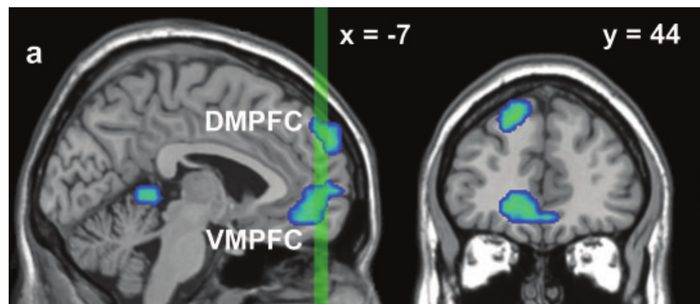
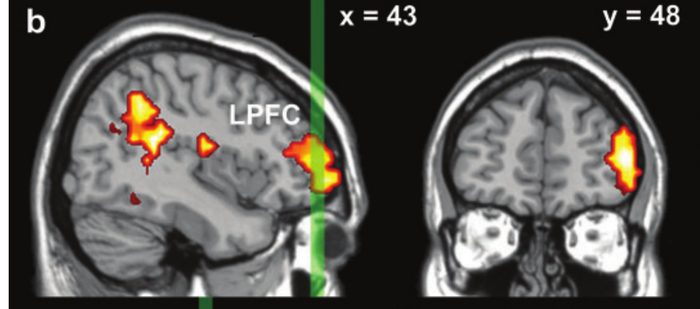
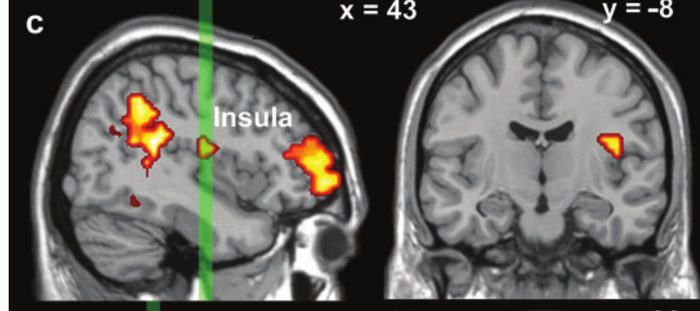
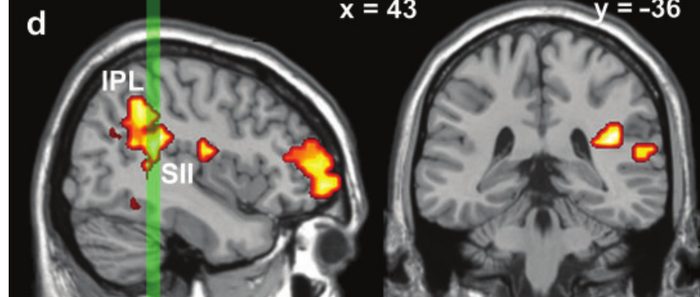
This shift is also reflected in neural activity. One fMRI study showed that mindfulness-trained participants had a clearer distinction in brain signature between narrative self-focus (“What does this say about me?”) and experiential self-focus (“What am I noticing right now?”). Compared with novices, the trained participants showed a stronger shift away from medial prefrontal “self-story” regions and toward regions associated with attention and body awareness during present-moment focus.
This story-to-sensation shift may also function as a form of gentle exposure, surfacing previously suppressed emotions, thoughts, and sensations, and allowing them to change and fall away. One review suggests that by mindfully observing these sensations with an attitude of acceptance, the conditioned emotional reactivity may be gradually weakened through a process of attenuation and reconsolidation.
Lastly, there’s also evidence to support that this approach may help drive protection against depressive relapse. In a 60-week multicenter randomized clinical trial of recovered patients with recurrent major depression, teaching decentering skills through Mindfulness-Based Cognitive Therapy in addition to usual care was shown to significantly reduce relapse in patients with three or more prior depressive episodes.
Accepting non-acceptance
We've offered you a range of strategies to work with distractions, and we hope these support your practice in cultivating warm acceptance. However, none of these approaches make the process entirely smooth, and it is common to encounter frustration along the way.
Much of the difficulty in meditation arises not from the initial distraction, but from our reactions that further fuel it. When an initial attempt at acceptance does not seem to work, that frustration can itself add further tension and fuel to the original distraction. Thoughts like, "I shouldn't be distracted," or, "I need to control my mind," ironically can make the distraction more persistent and powerful.
We want to reassure you that this is common, especially for beginners, and it is not a failure or a sign that something has gone wrong. This is just another part of the practice, and it’s possible to train acceptance towards this too.
If you notice a distraction and it won’t relax, don’t try forcing it. Instead, see if you can relax your resistance to the resistance. If you can't let go of a worry, see if you can soften the worry about the worry. There's usually a lighter touch available somewhere if you zoom out.
Modern research in metacognition, or "thinking about thinking," provides a useful clinical framework for understanding this struggle.
In generalized anxiety disorder, for example, the core problem is often "meta-worry." Unhelpful beliefs, such as "my worry is uncontrollable" or "worrying is dangerous,” can trap people in cycles of anxiety. Similarly, in meditation, we can get distracted by worrying about distraction itself, rather than gently practicing the 4Rs.
This pattern is not limited to anxiety alone. A 2017 meta-analysis suggests that dysfunctional metacognitive beliefs may help drive symptoms across a range of disorders, including anxiety, OCD, and depression.
Further supporting this, 2018 systematic review and meta-analysis found that metacognitive therapy reduced primary symptoms, anxiety, depression, and maladaptive metacognitions, suggesting that targeting this secondary reactivity (e.g., anxiety about anxiety) is a potent intervention point.
Dynamic balancing as a key to warm acceptance
Now that we’ve described a few key principles for practicing warm acceptance, it is also useful to zoom out and consider what this practice looks like as a whole.
A common misconception is that meditation practice is trying to achieve a static calm. However, distraction is inevitable, and your mental state may change throughout the session, requiring a slightly different response from moment to moment.
The practice of meditation can be better understood as developing dynamic, skillful responsiveness to your inner experience. This means learning to notice various shifts in your experience as they arise, and adjusting your approach moment to moment, rather than just applying the same fixed technique regardless of what's actually happening inside.
To make an analogy, meditation is less like trying to forcibly anchor a ship and more like learning to sail, using the winds and currents of the mind to maintain course, making continuous micro-adjustments to the sails and rudder to stay on course.
Rather than applying force along a single axis, like “concentrate harder” or “relax more”, skillful practice means being attuned to each new moment and responding accordingly, which involves many small, ongoing adjustments across multiple dimensions.
This might sound daunting, but it's possible to begin exactly where you are. You might start with a 4R cycle every few minutes, slowing each step down and following the instructions deliberately for every distraction. Then, with continued practice, you might find yourself moving fluidly through one type of distraction, while still needing to slow down to work through another. Then, over time, you’ll gradually progress to automatically making many adjustments per second, with increasing fluency.
With all of this in mind, it can be useful to keep three key dimensions in mind in seeking this dynamic inner balance.
The first is arousal regulation, where the aim is to sustain a balanced state of being relaxed, yet alert. Advanced practitioners demonstrate distinct physiological profiles consistent with both alertness and deep relaxation simultaneously.
The second is attentional regulation, which involves balancing focused attention with open-monitoring. These represent distinct modes of attention that draw on different underlying skills. Skillfully practicing loving-kindness meditation, like we teach in this course, involves the flexibility to shift between these distinct modes of attention, preventing both rigid fixation and aimless wandering.
The third is effort regulation, which requires calibrating effort to sustain engagement without causing mental strain. Early practice may require more deliberate control, but with expertise, sustained attention becomes more stable and less effortful, while excessive effort can become counterproductive.
Moving from craving and grasping to savoring
Having established warm acceptance as the skillful means for meeting challenging experiences, we now turn to the other side of our inner world: our relationship with positive and rewarding experiences.
Instead of habitual aversion or suppression, these come with a habitual tendency to crave and grasp. These are counterproductive attempts to hold onto or grab at pleasure, which can ironically undermine it.
The appropriate, skillful practice here is not simply warm acceptance, but immersive savoring. This is the skill of fully appreciating a moment of warmth or joy, as it’s happening in the present moment, allowing yourself to be nourished by it without trying to cling to it.
Understanding savoring
The concept of savoring as a distinct psychological process emerged in the 1980s from the work of psychologists Fred B. Bryant and Joseph Veroff.
While analyzing national survey data on well-being, they identified a crucial gap in the research. There was a heavy focus on how people cope with negative events, but there was no corresponding concept for how people actively engage with positive events.
Dr. Bryant spent decades researching this process, culminating in the 2007 book “Savoring: A New Model of Positive Experience,” which established savoring as a trainable skill and a legitimate field of scientific inquiry.
Savoring is a mode of relating to pleasant experience characterized by full, contented, unhurried attention and appreciation for what is happening .
It’s important to understand what savoring is and what it isn’t, since it’s easy to get savoring confused with some broader concepts.
We can distinguish savoring from mindfulness. Mindfulness is a broad, open, and receptive awareness of whatever is happening in the present moment, whether it is positive, negative, or neutral. Savoring is a specific application of mindfulness. It is a more focused process that intentionally absorbs attention into a pleasant feeling, amplifying that experience.
Savoring can also be distinguished from happiness itself. Happiness can be understood more like an outcome: a general state of well-being, or a positive emotion. Savoring, by contrast, is the trainable skill that helps us cultivate that outcome. Bryant's research found that the perceived ability to get good things was not a strong predictor of happiness. Rather, the perceived ability to savor those good things was. This suggests that what matters is not just the presence of positive events in our lives, but our skill in actively appreciating and engaging with them.
A further useful distinction can be drawn between savoring and craving. To illustrate using an example: when you savor a delicious cake, your awareness rests on the texture, the sweetness, and the juiciness. Craving, by contrast, splits attention: part of you is focused on the cake, but a significant part of your attention is recruited by self-referential processing, wanting more, anticipating no more cake, comparing it to past experiences, or planning the next bite. The pleasant object is still there, but tension and distractions have gotten louder, leaving less room for present-moment appreciation.

Neuroimaging research also suggests a distinction between savoring and craving at the neural level. Brewer et al. (2013) suggests that craving strongly activates areas of the brain associated with self-referential thought, enhancing the sense of self in relation to the desired object. Conversely, Farb et al. (2007) demonstrated that placing attention on our present-moment feelings and sensations leads to reduced activity in self-referential midline regions and greater engagement of sensory and body-awareness. This mirrors the attentional shift cultivated in our savoring training, as we learn to move away from the narrative elaboration that can be associated with craving, and move toward the present-moment sense of pleasant warmth in the body.
Taken together, these distinctions allow us to properly engage with savoring as a central meditative skill in this course.
Understanding and compassion for resistance to happiness
Before we dive deeper into savoring, it’s important to acknowledge that feeling good and being happy might feel unsafe for some people.
If you've ever felt a pang of guilt during a happy moment, or felt that you didn't deserve feelings of joy, you are not alone. This resistance to happiness is not uncommon, and often comes with its own underlying wholesome intentions to protect you.
By understanding its logic with compassion, we can gently work towards creating the safety needed to finally let in more warmth.
A few common negative assessments tend to underlie this resistance to happiness. One is the belief that happiness is a sign of bad character, that being happy makes you a worse, more selfish, or less serious person. This is particularly prevalent in cultures that value stoicism or suffering as morally superior. From this perspective, happiness can be associated with shallowness or a lack of concern for the suffering of others.
Another is guilt and unworthiness. Research shows people avoid positive feelings because of unworthiness or because positive emotions feel socially inappropriate. One cross-sectional study also found that fear of happiness partly explained the relationship between childhood trauma and depressive symptoms.
A third is fear of disappointment from the fall after a happy moment. For some, the emotional peak of happiness is perceived as inherently unstable: the higher you feel, the harder and more painful the inevitable return to a baseline or negative state will be. To avoid this anticipated crash, a person might preemptively dampen their positive feelings to maintain a more controlled, less vulnerable emotional state.
These intentions, even when they no longer serve us [well], are not something to fight against. Just as with difficult emotions, the goal is not to force ourselves to feel happy despite this resistance, but to meet the resistance itself with warmth and understanding. By acknowledging the protective role it has played, we can begin to gently build the safety needed for joy to feel less threatening.
Over time, this compassionate awareness allows us to hold both the impulse to protect and the capacity to savor, rather than needing to choose between them.
Research demonstrates that savoring is a trainable skill
Like the other meditative skills in this course, we can think of savoring as a dimension of our overall meditative fitness. Modern research shows that savoring is not a fixed personality trait, but a trainable psychological skill we can use to intentionally regulate and enhance positive emotions.
Even short-term training in savoring can have a significant impact. One study found that a simple two-week savoring intervention was effective in increasing positive affect and overall life satisfaction in college students. Across a slightly longer timeframe, in a 30-day study of 101 participants, Jose et al. (2012) found that positive daily events, momentary savoring, and happy mood were all positively related, and that savoring helped explain how those positive events got translated into happiness. Good events matter, but people appear to get more emotional benefit when they pause to appreciate, intensify, and extend the good feelings.
This is further supported by a 2026 systematic review and meta-analysis of RCTs that studied how emotional outcomes were affected by savoring interventions, or practices that intentionally focus on, amplify, or prolong positive emotional experiences. Deliberately practicing these strategies was shown to lead to statistically significant increases in positive psychological states, and reductions in negative emotional symptoms.
A 2024 clinical systematic review corroborated this theme in the clinical setting, and found that a clinical focus on enhancing positive affect and teaching savoring skills may be a beneficial component of treatment for individuals with mood disorders.
Taken together, the evidence suggests that our ability to wholly appreciate the pleasant events in our lives is not a fixed trait. We can understand savoring as a trainable skill, one that we help you deliberately practice in this course, helping you gradually bring more warmth and depth to the pleasant events in your life.
Subskills and conditions for savoring
As we practice savoring, it can be useful to point out a few conditions that help the practice unfold more naturally. Bryant and Veroff (2007) identified three essential conditions that help create the space for savoring to occur.
The first is freedom from pressing needs: savoring is most accessible when a person is not preoccupied with urgent concerns, such as performance anxiety, a looming deadline, or a significant responsibility to someone else. If these pressures are present, it can help to attend to them first, rather than trying to savor around them. That might mean taking a few minutes to settle the mind with the 4Rs we've practiced, or working through a competing commitment as we discussed earlier to settle a more persistent tension. Or, depending on the context, it can be useful to practically address the concern outside of your meditation time as well.
The second condition Bryant identified for savoring is a focus on the present: the process is rooted in the "here and now," requiring a sense of immediacy and attentional focus on the current experience as it unfolds.
Research backs up the value of this present-focus. In a randomized controlled trial, participants first completed a stressful social task and then practiced different forms of savoring. Focusing on positive experience in the present moment helped participants experience positive emotion more than savoring through anticipation of the future or reminiscence of the past — and all three outperformed no intervention.
And the third is mindful awareness: savoring requires some degree of active meta-awareness, or a focused and conscious connection to the positive feelings being experienced, rather than merely passive pleasure.
As these conditions come together, they help unblock some tensions that might have been preventing savoring, and they help create a more fertile mental space for us to intentionally practice savoring.
Bryant and Veroff also distinguished four primary savoring processes, each with its own characteristic positive feeling. Which one is available to you in a given moment depends on two things: whether your attention is turned outward toward the world or inward toward yourself, and whether you are thinking about the experience or absorbed in it.
| Type of experience | Focus of attention | |
|---|---|---|
| Type of experience | External worldAttention on what is around you | Internal selfAttention on your own experience |
| Cognitive reflectionThinking about what is good | Thanksgiving (gratitude)A friend goes out of their way for you, and you pause to take in how glad you are for it. | Basking (pride)You finish something that took real effort, and you let yourself feel good about it. |
| Experiential absorptionSinking into what is good | Marveling (awe)You stop mid‑walk, caught by the light on the sky, and simply look. | Luxuriating (physical pleasure)You step into a hot shower and stay with the warmth spreading through you. |
These are not four separate techniques to master, but four doorways into the same skill. If one of them feels closed on a given day, another is often open: when you cannot find much to feel proud of, you might still be able to marvel at something, or simply enjoy the warmth of a cup of tea in your hands.
Exploring savoring: Laying back and leaning in
Part of learning the skill of savoring is developing a flexibility between two modes of attention.
The first is passive and receptive. You can think of this one as “laying back.” This is the practice of simply being open and noticing the very first, subtle signs of a positive feeling as it arises. You might notice a very faint glimmer of relief as you drop a distraction, or a sense that your inner mood is “brightening,” or a gentle appreciation for something you enjoy. This does not have to be anything large. A common mistake is to wait for something “worth noticing”, or a feeling significant enough to deserve more attention. However, we encourage you to mindfully notice and savor even tiny emotions, ones that you might normally dismiss as unremarkable or too fleeting to bother with.
The second mode of attention is active and exploratory. You can think of this one as “leaning in.” Once you do notice a pleasant feeling, you can gently start focusing your curiosity on it by exploring how it feels in your body. You might explore qualities like: Does this feeling have a temperature? Is it warm or cool? / What is its texture? Does it feel like a tingle, a gentle hum, or a bubbly sensation? / Does the feeling seem to move or have a direction, like rising up or spreading out? / Does the feeling make a specific color come to mind?
By flexibly shifting between passively receiving a pleasant feeling and actively exploring its textures, we can better understand how our minds build our emotional experiences from basic sensations.
We also encourage you to experiment with awe, wonder, and marveling. These are emotions closely related to the savoring process. Awe is typically characterized by a perception of vastness that transcends one's current understanding and has been shown to create a sense of "time affluence," relieving the feeling of being pressed for time.
We’ve also included an accompanying experiential exercise for this module, where we’ll go over more subskills and strategies for savoring, and give you a chance to practice directly. In that exercise, we’ll draw on many aspects of Bryant’s Ways of Savoring Checklist, which he designed to assess the specific thoughts and behaviors people use to enhance their enjoyment of positive experiences. Many of the savoring strategies Bryant mapped turn out to overlap with the contemplative skills we've been developing, despite emerging from an entirely separate line of research. These include perceptual sharpening, absorption, gratitude, and many others.
Near enemies of savoring
Even with the best intentions, our attempts to savor can sometimes be hijacked by its near enemies. Remember, these are patterns that are superficially similar to genuine appreciation but ultimately lead us back to unskillful habits like grasping, egoic absorption, or self-indulgence.
- Holding on to, exaggerating, or prolonging the feeling
- Anxiety about losing it crowds out enjoying it
- Wanting runs on its own system and displaces liking
- Reaching for more stimulation or consumption
- Awareness narrows to the next hit
- Feeds craving cycles instead of wellbeing
- Recalling happy memories is a genuine savoring strategy
- It tips over when memory hardens into idealization
- Yearning for what was replaces what is here now
- The good feeling becomes proof of being ahead
- Self-comparison slips in alongside appreciation
- Conceit narrows what gratitude would broaden
- Enjoyment split across devices, tasks, or background noise
- Pleasant sensations register only faintly
- The pleasure is used to avoid something else
- Present, undivided contact with what is pleasant
- Appreciates the feeling without needing it to last
- Opens outward into gratitude rather than inward into self
A few of these deserve a closer look.

First, there’s grasping and clinging. Instead of allowing yourself to appreciate pleasant experience, you might try to hold on, exaggerate, or prolong it. Neuroscientific evidence suggests that this over-investment leads to anxiety about losing the experience rather than genuine savoring, and that clinging operates on a distinct system from—and can displace—the experience of pleasure itself.
Second is indulgence or what is sometimes called “hedonism”. This is when the focus shifts from mindful appreciation to excessive stimulation or consumption. Rather than enhancing wellbeing, it narrows awareness and can fuel craving cycles.
Third is a kind of sentimentality or nostalgia that can harden into fixation. We want to be clear that drawing on happy memories is not the near enemy here. Remembering past joys is a well-supported strategy for savoring. But, if it tips into idealization or yearning, it can become an attachment to the past rather than an open, present-moment appreciation.
Fourth is comparative pride or inflating the ego. The issue here is not that you don’t deserve happiness, but rather that savoring might be used as a vehicle for feelings of superiority or self-comparison. If savoring is used as a way to make yourself feel superior to others, it can transform into conceit and grasping rather than broadening awareness and gratitude.
Fifth, there’s distraction disguised as pleasure. Savoring involves a fully present appreciation, which is distinct from the superficial enjoyment we might get from distractions. For example, it’s possible to savor a meal by appreciating the present-moment experience of each bite, but if we’re multitasking with devices while eating, or if we’re using the meal to distract us from something else, then the depth and integrative benefits of savoring are absent.
Taken together, these near enemies pull in two directions. Grasping, indulgence, and nostalgia all add something to the pleasant experience — effort, appetite, or longing — while pride and distraction take something away, either by turning the experience into a statement about ourselves or by leaving us only half in contact with it. Genuine savoring needs neither addition nor subtraction. It stays present with what is already pleasant, appreciates it without requiring it to last, and lets that appreciation broaden into gratitude.
The upward spiral: positive emotion as fuel for thriving
[Note: look at Google Doc for reworked outline of the Upward Spiral section.]
Positive emotions are not just fleeting moments of pleasure; they are a vital psychological resource that can help build our resilience and capacity for flourishing. Fredrickson's (2001) broaden-and-build theory postulates that positive emotions are beneficial because they promote more expansive patterns of thought and a greater willingness to participate in new experiences.

- Positive emotions broaden and build personal resilience. According to Barbara Fredrickson's influential Broaden-and-Build Theory, positive emotions widen our cognitive and attentional scope, allowing us to build lasting psychological, intellectual, and physical resources.
- They strengthen our social fabric. Positive emotions are profoundly social. They build interpersonal bonds through micro-moments of "positivity resonance,” shared experiences of warmth and mutual care.
- This sense of connection fuels prosocial behavior, with a large-scale review confirming that positive feelings reliably lead to increased kindness and generosity.
- They create upward spirals of success. Far from being a mere byproduct of success, happiness can help cause it. A review and meta-analysis shows that positive emotions are a precursor to better life outcomes, including stronger relationships, better health, and higher incomes.
- This effect scales up, as a 20-year longitudinal social-network study from the Framingham Heart Study found that happiness was clustered in social networks and appeared to spread through close relationships, especially among nearby friends, family members, and neighbors.
Review and Conclusion
[Note: look at Google Doc for reworked outline of the conclusion.]
In this class we covered:
- A wandering mind is an unhappy mind.
- Distraction is not failure.
- Working with distraction is a trainable skill.
- Three types of distraction need different handling:
- external (manage off the cushion environment and lifestyle)
- minor (brief lapses handled with the 4Rs)),
- For major distractions, turn toward rather than away.
- Surf the urge, and recognize and welcome competing commitments.
- Working with positive and negative experiences require separate skills
- Approach beats avoidance motivation.
- Suppression backfires.
- Warm acceptance is the alternative.
- When you can't accept, accept the non-acceptance.
- Practice is dynamic balancing, not static calm.
- Savoring is a distinct, trainable skill.
- Savoring has practical subskills like sensory sharpening and gratitude.
- Watch the near enemies of savoring
- Positive emotion fuels an upward spiral
This is a lot of material. To simplify it even more: work with the 4r’s, welcome challenging experiences, and savor positive ones.
We recommend temporarily simplifying it to a few key experiments like the below. Consider pithy statements like these as playful and experimental themes for a session (or for a week), before returning to reflect on what practice theme would help you next.
“Half as much effort, twice as much interest”
“Soften 2% more than I think need”
“Drop any doing whatsoever and then relocate the warmth”
“Label, allow, feel, soften.”
“Let the body do the letting go.”
“Awe and vastness over tension and pressure”
“Allow and accept without avoiding”
“Savor without grabbing.”
“Approach, not avoid.”
Now that we've learned how to work skillfully with distractions, our next class will explore the practice of forgiveness and gratitude.
Participants watched an emotionally provocative film after being asked either to accept whatever they felt or to push it down. Negative affect is the negative scale of the Positive and Negative Affect Schedule, reported before the film, during it, and after a recovery period.
These are raw scores, not changes from baseline like the anxiety chart later in this class, so each group’s recovery is read against its own starting level rather than against zero. That is what the dashed rule marks.
Values are traced from the published figure, and the error bars in particular are approximate. The two groups sit at one point on the x axis there; they are nudged apart here so the error bars can be told apart. Source. Figure 1 in Hofmann, S. G., Heering, S., Sawyer, A. T., & Asnaani, A. (2009). How to handle anxiety: The effects of reappraisal, acceptance, and suppression strategies on anxious arousal. Behaviour Research and Therapy, 47(5), 389–394.
Sixty participants were randomly assigned to reappraise, suppress, or accept their anxiety before giving an impromptu speech. Scores are the State-Trait Anxiety Inventory, short form, expressed as a change from each participant’s own baseline, so zero means no change rather than no anxiety. Error bars are standard errors.
The two percentages are measured against different comparisons, because the phases ask different questions. During the speech it is the size of the spike, suppression against acceptance: 6.95 points against 5.45, which is 28 per cent larger. At recovery it is how much of its own spike each group was still carrying: suppression held 1.65 of its 6.95, or 24 per cent, while acceptance held 0.55 of its 5.45, or 10 per cent.
Both are percentages of change scores rather than of anxiety itself. A group at 24 per cent of its spike is not 24 per cent anxious; it has come three quarters of the way back to where it started.
The study also ran a third arm, in which participants were told to reappraise their anxiety. It is omitted here. In the published figure it sits below both of the arms shown, at all three phases, so this chart should be read as a case against suppression rather than as a case for acceptance over every other strategy.
Values are traced from the published figure. The two arms sit at one point on the x axis there; they are nudged apart here so the error bars can be told from one another. Source. The “Experience of Rapport” panel in Butler, E. A., Egloff, B., Wilhelm, F. H., Smith, N. C., Erickson, E. A., & Gross, J. J. (2003). The social consequences of expressive suppression. Emotion, 3(1), 48–67.
Pairs of women who had not met before watched an upsetting film and then talked about it. In half the pairs, one woman was privately asked to suppress her emotional expression during the conversation. Her partner was told nothing. The bars are that partner’s own rating of the rapport she felt, so both bars report the experience of someone who was not given any instruction.
Rapport was rated from 0 to 10. The axis is drawn to 4, as it is in the published figure — both groups sit in the lower part of the scale, and what the chart is for is the distance between them, not where either bar falls on the full range.
The study’s measure of interest in future friendship, mentioned in the caption, is reported separately in the paper and is not shown here.
Values are traced from the published figure, and the error bars in particular are approximate. Source. Killingsworth, M. A., & Gilbert, D. T. (2010). A wandering mind is an unhappy mind. Science, 330(6006), 932.
Percentages are the share of between-persons variance in happiness explained by each factor in the study’s multilevel analysis — mind-wandering 17.7% and activity about 3.2%, rounded here to 18% and 3%. Within-person comparisons showed the same pattern. Source. Table 5.1 in Bryant, F. B., & Veroff, J. (2007). Savoring: A new model of positive experience. Psychology Press.
The two axes, focus of attention and type of experience, together with the four process names and their associated feelings, are the authors’. The plain-language gloss under each axis label and the everyday example in each cell are the course’s own, not from the book. Source. Based on Figure 2 in Brandmeyer, T., & Delorme, A. (2018). Reduced mind wandering in experienced meditators and associated EEG correlates. Experimental Brain Research, 236(9), 2519–2528.
During a single sitting, participants were interrupted by experiential probes and rated their meditation depth, mind wandering, and sleepiness. The published figure plots each group’s mean response at every probe together with a fitted linear regression through it.
Both are redrawn here: the faint zigzag joins the per-probe means, and the solid lines are the regressions, read from the endpoints of the dashed lines in the source figure.
Every value is traced by eye from the published image, so treat any single reading as approximate. The scatter, the direction of each trend, and the gap between the two groups are what the chart is for — not any single reading. Source. Based on Figure 2 in Mauss, I. B., Tamir, M., Anderson, C. L., & Savino, N. S. (2011). Can seeking happiness make people unhappy? Paradoxical effects of valuing happiness. Emotion, 11(4), 807–815.
In Study 2, participants first read one of two mock newspaper articles — one stressing the importance of being happy, or a control article that did not — and then watched a film clip. Hedonic balance is the self-reported positive-minus-negative emotion rating taken afterwards. Bars and standard errors are traced from the published figure.
Only the happy-film condition is shown here. The study also ran a sad-film condition, in which the two groups rated their hedonic balance almost identically — the manipulation mattered when there was happiness on offer, not when there wasn’t. Source. Based on Figure 4C in Devaney, K., Levin, E., Tripathi, V., Higgins, J., Lazar, S., & Somers, D. (2021). Attention and default mode network assessments of meditation experience during active cognition and rest. Brain Sciences, 11(5), 566.
Bars show mean BOLD percent signal change while attending (Multiple Object Tracking task, attend vs. passive) in Dorsal Attention Network (DAN) and Default Mode Network (DMN) regions of interest, for 16 meditators and 12 non-meditator controls. Source. Based on Figure 1 in Teasdale, J. D., Segal, Z. V., Williams, J. M. G., Ridgeway, V. A., Soulsby, J. M., & Lau, M. A. (2000). Prevention of relapse/recurrence in major depression by mindfulness-based cognitive therapy. Journal of Consulting and Clinical Psychology, 68(4), 615–623.
145 recovered patients with recurrent major depression were randomized to continue treatment-as-usual (TAU) or to additionally receive Mindfulness-Based Cognitive Therapy (MBCT), an 8-week group program. TAU patients' care included GP visits (52%), counseling or psychotherapy (34%), and antidepressant medication (40%). This did not differ significantly from what the MBCT group also received on the side.
Relapse to a major depressive episode was assessed by structured clinical interview every two months over the 60-week study period. Source. Based on Figure 3 in Farb, N. A. S., Segal, Z. V., Mayberg, H., Bean, J., McKeon, D., Fatima, Z., & Anderson, A. K. (2007). Attending to the present: mindfulness meditation reveals distinct neural modes of self-reference. Social Cognitive and Affective Neuroscience, 2(4), 313–322.
From top to bottom, the rows look at: medial PFC (mPFC), right lateral PFC (LPFC), right insula, and right secondary somatosensory cortex / inferior parietal lobule (SII/IPL). The horizontal axis represents fMRI signal units of the narrative-vs-experiential contrast. Bars extending right mean that region was more active during the experiential (present-moment) task, bars extending left mean more active during the narrative (self-story) task.
The brain slices at right are cropped directly from the published figure, reflecting the neural activations in the mindfulness-trained group. Regions activated during experiential task are in red, and regions activated during the narrative task are in blue. Decentering. Stepping back from a thought or feeling to see it as a passing mental event rather than as fact, instead of staying fused with its content. Source. Based on Table 1 in Klibert, J. J., Sturz, B. R., LeLeux-LaBarge, K., Hatton, A., Smalley, K. B., & Warren, J. C. (2022). Savoring interventions increase positive emotions after a social-evaluative hassle. Frontiers in Psychology, 13, 791040.
Bars are group means of positive emotion measured immediately after the 15-minute intervention, with standard errors computed from the reported standard deviations. Each percentage is that group’s mean relative to the control mean. Positive emotion is the PANAS positive-affect scale — ten feelings each rated from 1 to 100 and summed, so totals run from 10 to 1,000.
145 university students (mean age 19) were randomly assigned to five groups (the fifth group, which imagined a trip to the grocery store and had a mean rating of 472, is omitted here). The stressor was an adapted Trier Social Stress Test, where participants prepared a three-minute speech on “Why I am an attractive person” while believing it might be recorded and shown to peers. Groups did not differ significantly at baseline or after the stressor, but did after the intervention.
Notes
- Killingsworth, M. A., & Gilbert, D. T. (2010). A wandering mind is an unhappy mind. Science (New York, N.Y.), 330(6006), 932. ↩
- Kucyi, A., Daitch, A., Raccah, O., Zhao, B., Zhang, C., Esterman, M., Zeineh, M., Halpern, C. H., Zhang, K., Zhang, J., & Parvizi, J. (2020). Electrophysiological dynamics of antagonistic brain networks reflect attentional fluctuations. Nature Communications, 11(1), 325. ↩
- Kucyi et al. (2021) — on antagonistic brain network dynamics and attentional fluctuations. Full citation to confirm. ↩
- Andrews-Hanna, J. R. (2012). The brain’s default network and its adaptive role in internal mentation. The Neuroscientist, 18(3), 251–270. ↩
- Norman, L. J., Sudre, G., Price, J., Shastri, G. G., & Shaw, P. (2023). Evidence from “big data” for the default-mode hypothesis of ADHD: A mega-analysis of multiple large samples. Neuropsychopharmacology, 48(2), 281–289. ↩
- Hamilton, J. P., Farmer, M., Fogelman, P., & Gotlib, I. H. (2015). Depressive rumination, the default-mode network, and the dark matter of clinical neuroscience. Biological Psychiatry, 78(4), 224–230. ↩
- Sparby, T., Eilinghoff-Ehlers, P., Lewandovski, N., Pachernegg, Y., Schnitzler, L., & Edelhäuser, F. (2024). Meditation hindrances and breakthroughs: A multilevel first-person phenomenological analysis. Religions, 15(7), 865. ↩
- Brewer, J. A., Worhunsky, P. D., Gray, J. R., Tang, Y.-Y., Weber, J., & Kober, H. (2011). Meditation experience is associated with differences in default mode network activity and connectivity. Proceedings of the National Academy of Sciences, 108(50), 20254–20259. ↩
- Garrison, K. A., Zeffiro, T. A., Scheinost, D., Constable, R. T., & Brewer, J. A. (2015). Meditation leads to reduced default mode network activity beyond an active task. Cognitive, Affective & Behavioral Neuroscience, 15(3), 712–720. ↩
- Devaney, K., Levin, E., Tripathi, V., Higgins, J., Lazar, S., & Somers, D. (2021). Attention and default mode network assessments of meditation experience during active cognition and rest. Brain Sciences, 11(5), 566. ↩
- Brandmeyer, T., & Delorme, A. (2018). Reduced mind wandering in experienced meditators and associated EEG correlates. Experimental Brain Research, 236(9), 2519–2528. ↩
- Zanesco, A., King, B., Maclean, K., Jacobs, T., Aichele, S., Wallace, B., Smallwood, J., Schooler, J., & Saron, C. (2016). Meditation training influences mind wandering and mindless reading. Psychology of Consciousness: Theory, Research, and Practice, 3, 12–33. ↩
- Evans, D. R., & Segerstrom, S. C. (2011). Why do mindful people worry less? Cognitive Therapy and Research, 35(6), 505–510. ↩
- Lim, J., & Dinges, D. F. (2010). A meta-analysis of the impact of short-term sleep deprivation on cognitive variables. Psychological Bulletin, 136(3), 375–389. ↩
- Killgore, W. D. (2010). Effects of sleep deprivation on cognition. Progress in brain research (pp. 105–129). Elsevier. ↩
- Marlatt, G. A., & Gordon, J. R. (1985) — on urge surfing and relapse prevention. Full citation to confirm. ↩
- Bowen, S., & Marlatt, A. (2009). Surfing the urge: Brief mindfulness-based intervention for college student smokers. Psychology of Addictive Behaviors: Journal of the Society of Psychologists in Addictive Behaviors, 23(4), 666–671. ↩
- Kegan, R., & Lahey, L. L. (2001). How the way we talk can change the way we work: Seven languages for transformation (1st ed ed.). Jossey-Bass. ↩
- Davidson, R. J. (2004). What does the prefrontal cortex "do" in affect: Perspectives on frontal EEG asymmetry research. Biological Psychology, 67(1-2), 219–233. ↩
- Livingstone, K. M., & Srivastava, S. (2012). Up-regulating positive emotions in everyday life: Strategies, individual differences, and associations with positive emotion and well-being. Journal of Research in Personality, 46(5), 504–516. ↩
- Bryant, F. B., & Veroff, J. (2007). Savoring: A new model of positive experience. Psychology Press. ↩
- Hofmann, S. G., Heering, S., Sawyer, A. T., & Asnaani, A. (2009). How to handle anxiety: The effects of reappraisal, acceptance, and suppression strategies on anxious arousal. Behaviour Research and Therapy, 47(5), 389–394. ↩
- Wolgast, M., Lundh, L.-G., & Viborg, G. (2011). Cognitive reappraisal and acceptance: An experimental comparison of two emotion regulation strategies. Behaviour Research and Therapy, 49(12), 858–866. ↩
- Hayes, S. C., Luoma, J. B., Bond, F. W., Masuda, A., & Lillis, J. (2006). Acceptance and commitment therapy: Model, processes and outcomes. Behaviour Research and Therapy, 44(1), 1–25. ↩
- Neff, K. D. (2003). Self-compassion: An alternative conceptualization of a healthy attitude toward oneself. Self and Identity, 2(2), 85–101. ↩
- Elliot, A. J. (2006). The hierarchical model of approach-avoidance motivation. Motivation and Emotion, 30(2), 111–116. ↩
- Guo, J., Hu, X., Elliot, A. J., Marsh, H. W., Murayama, K., Basarkod, G., Parker, P. D., & Dicke, T. (2023). Mastery-approach goals: A large-scale cross-cultural analysis of antecedents and consequences. Journal of Personality and Social Psychology, 125(2), 397–420. ↩
- Gaudreau, P., Schellenberg, B. J. I., Gareau, A., Kljajic, K., & Manoni-Millar, S. (2022). Because excellencism is more than good enough: On the need to distinguish the pursuit of excellence from the pursuit of perfection. Journal of Personality and Social Psychology, 122(6), 1117–1145. ↩
- Adriaenssens, J., Gucht, V. D., & Maes, S. (2015). Association of goal orientation with work engagement and burnout in emergency nurses. Journal of Occupational Health, 57(2), 151–160. ↩
- Don, B. P., Algoe, S. B., & Fredrickson, B. L. (2021). Does meditation training influence social approach and avoidance goals? Evidence from a randomized intervention study of midlife adults. Mindfulness, 12(3), 582–593. ↩
- Bross, T., Nett, U. E., & Daumiller, M. (2024). Interrelations among achievement goals and achievement emotions: A meta-analytic examination. Educational Psychology Review, 36(3), 98. ↩
- Elliot, A. J., & Harackiewicz, J. M. (1996). Approach and avoidance achievement goals and intrinsic motivation: A mediational analysis. Journal of Personality and Social Psychology, 70(3), 461–475. ↩
- Huang, C. (2012). Discriminant and criterion-related validity of achievement goals in predicting academic achievement: A meta-analysis. Journal of Educational Psychology, 104(1), 48–73. ↩
- Van Yperen, N. W., Blaga, M., & Postmes, T. (2014). A meta-analysis of self-reported achievement goals and nonself-report performance across three achievement domains (work, sports, and education). PloS One, 9(4), e93594. ↩
- Elliot, A. J., & McGregor, H. A. (2001). A 2 × 2 achievement goal framework. Journal of Personality and Social Psychology, 80(3), 501–519. ↩
- Eysenck, M. W., & Calvo, M. G. (1992). Anxiety and performance: The processing efficiency theory. Cognition & Emotion, 6(6), 409–434. ↩
- Owens, M., Stevenson, J., Hadwin, J. A., & Norgate, R. (2012). Anxiety and depression in academic performance: An exploration of the mediating factors of worry and working memory. School Psychology International, 33(4), 433–449. ↩
- Wegner, D. M., Schneider, D. J., Carter, S. R., & White, T. L. (1987). Paradoxical effects of thought suppression. Journal of Personality and Social Psychology, 53(1), 5–13. ↩
- Wegner, D. M. (1994). Ironic processes of mental control. Psychological Review, 101(1), 34–52. ↩
- Abramowitz, J. S., Tolin, D. F., & Street, G. P. (2001). Paradoxical effects of thought suppression: A meta-analysis of controlled studies. Clinical Psychology Review, 21(5), 683–703. ↩
- Wang, D., Hagger, M. S., & Chatzisarantis, N. L. D. (2020). Ironic effects of thought suppression: A meta-analysis. Perspectives on Psychological Science, 15(3), 778–793. ↩
- Hu, T., Zhang, D., Wang, J., Mistry, R., Ran, G., & Wang, X. (2014). Relation between emotion regulation and mental health: A meta-analysis review. Psychological Reports, 114(2), 341–362. ↩
- Fernandes, M. A., & Tone, E. B. (2021). A systematic review and meta-analysis of the association between expressive suppression and positive affect. Clinical Psychology Review, 88, 102068. ↩
- Yu, C.-W. F., Haase, C. M., & Chang, J.-H. (2023). Habitual expressive suppression of positive, but not negative, emotions consistently predicts lower well-being across two culturally distinct regions. Affective Science, 4(4), 684–701. ↩
- Gross, J. J., & John, O. P. (2003). Individual differences in two emotion regulation processes: Implications for affect, relationships, and well-being. Journal of Personality and Social Psychology, 85(2), 348–362. ↩
- Gross, J. J., & Levenson, R. W. (1997). Hiding feelings: The acute effects of inhibiting negative and positive emotion. Journal of Abnormal Psychology, 106(1), 95–103. ↩
- Campbell-Sills, L., Cohan, S. L., & Stein, M. B. (2006). Relationship of resilience to personality, coping, and psychiatric symptoms in young adults. Behaviour Research and Therapy, 44(4), 585–599. ↩
- Miethe, S., Wigger, J., Wartemann, A., Fuchs, F. O., & Trautmann, S. (2023). Posttraumatic stress symptoms and its association with rumination, thought suppression and experiential avoidance: A systematic review and meta-analysis. Journal of Psychopathology and Behavioral Assessment, 45(2), 480–495. ↩
- Akbari, M., Seydavi, M., Hosseini, Z. S., Krafft, J., & Levin, M. E. (2022). Experiential avoidance in depression, anxiety, obsessive-compulsive related, and posttraumatic stress disorders: A comprehensive systematic review and meta-analysis. Journal of Contextual Behavioral Science, 24, 65–78. ↩
- Pak, R., Mahmoud Alilou, M., Bakhshipour Roudsari, A., & Yousefpour, F. (2024). Experiential avoidance as a factor in generalized psychological vulnerability: In the relationship between chronic pain and pain anxiety with pain disability. Pain Management Nursing, 25(3), e256–e264. ↩
- Butler, E. A., Egloff, B., Wilhelm, F. H., Smith, N. C., Erickson, E. A., & Gross, J. J. (2003). The social consequences of expressive suppression. Emotion (Washington, D.C.), 3(1), 48–67. ↩
- Lindsay, E. K., Young, S., Smyth, J. M., Brown, K. W., & Creswell, J. D. (2018). Acceptance lowers stress reactivity: Dismantling mindfulness training in a randomized controlled trial. Psychoneuroendocrinology, 87, 63–73. ↩
- Hayes-Skelton, S., & Graham, J. (2013). Decentering as a common link among mindfulness, cognitive reappraisal, and social anxiety. Behavioural and Cognitive Psychotherapy, 41(3), 317–328. ↩
- Farb, N. A. S., Segal, Z. V., Mayberg, H., Bean, J., McKeon, D., Fatima, Z., & Anderson, A. K. (2007). Attending to the present: Mindfulness meditation reveals distinct neural modes of self-reference. Social cognitive and affective neuroscience, 2(4), 313–322. ↩
- Hölzel et al. (2011) — on mindfulness, exposure, and the reconsolidation of emotional reactivity. Full citation to confirm. ↩
- Teasdale, J. D., Segal, Z. V., Williams, J. M., Ridgeway, V. A., Soulsby, J. M., & Lau, M. A. (2000). Prevention of relapse/recurrence in major depression by mindfulness-based cognitive therapy. Journal of Consulting and Clinical Psychology, 68(4), 615–623. ↩
- Wells, A. (2010). Metacognitive theory and therapy for worry and generalized anxiety disorder: Review and status. Journal of Experimental Psychopathology, 1(1), jep.007910. ↩
- Sun, X., Zhu, C., & So, S. (2017). Dysfunctional metacognition across psychopathologies: A meta-analytic review. European Psychiatry, 45, 139–153. ↩
- Normann, N., & Morina, N. (2018). The efficacy of metacognitive therapy: A systematic review and meta-analysis. Frontiers in Psychology, 9. ↩
- Sezer, I., & Sacchet, M. (2024). Advanced and long-term meditation and the autonomic nervous system: A review and synthesis \[Preprint\]. OSF Preprints. ↩
- Lutz, A., Slagter, H. A., Dunne, J. D., & Davidson, R. J. (2008). Attention regulation and monitoring in meditation. Trends in Cognitive Sciences, 12(4), 163–169. ↩
- Lutz, A., Jha, A. P., Dunne, J. D., & Saron, C. D. (2015). Investigating the phenomenological matrix of mindfulness-related practices from a neurocognitive perspective. American Psychologist, 70(7), 632–658. ↩
- Brandmeyer, T., & Delorme, A. (2021). Meditation and the wandering mind: A theoretical framework of underlying neurocognitive mechanisms. Perspectives on Psychological Science, 16(1), 39–66. ↩
- Brewer, J. A., Elwafi, H. M., & Davis, J. H. (2013). Craving to quit: Psychological models and neurobiological mechanisms of mindfulness training as treatment for addictions. Psychology of Addictive Behaviors, 27(2), 366–379. ↩
- Joshanloo, M., & Weijers, D. (2014). Aversion to happiness across cultures: A review of where and why people are averse to happiness. Journal of Happiness Studies: An Interdisciplinary Forum on Subjective Well-Being, 15(3), 717–735. ↩
- Bogaert, L., Dunn, B. D., Walentynowicz, M., & Raes, F. (2023). ‘It just doesn't feel right’ and other reasons why some people fear and avoid positive emotions. Acta Psychologica, 235, 103901. ↩
- Xiao, F., Liu, F., Wang, Y., & Zhang, Z. (2026). Childhood trauma and depressive symptoms in college students: The mediating role of fear of happiness. BMC Psychology, 14(1), 186. ↩
- Joshanloo, M., Lepshokova, Z. K., Panyusheva, T., Natalia, A., Poon, W.-C., Yeung, V. W.-L., Sundaram, S., Achoui, M., Asano, R., Igarashi, T., Tsukamoto, S., Rizwan, M., Khilji, I. A., Ferreira, M. C., Pang, J. S., Ho, L. S., Han, G., Bae, J., & Jiang, D.-Y. (2014). Cross-cultural validation of fear of happiness scale across 14 national groups. Journal of Cross-Cultural Psychology, 45(2), 246–264. ↩
- Arens, E. A., Falck, J., Nenadic, I., & Stangier, U. (2025). What you think is what you get: Fear of happiness and its causal effect on current depressed mood in depressed patients and nondepressed controls. Journal of Affective Disorders Reports, 21, 100925. ↩
- Gao, M., Hashim, I. H. M., & Ostovar, S. (2025). Savoring promotes a balanced time perspective and subjective well-being among university students: Evidence from a cross-sectional study and an intervention study. Applied Psychology: Health and Well-Being, 17(3), e70039. ↩
- Jose, P. E., Lim, B. T., & Bryant, F. B. (2012). Does savoring increase happiness? A daily diary study. The Journal of Positive Psychology, 7(3), 176–187. ↩
- Chen, P., Tung, H., Wu, Y., & Sie, J. (2026). Effectiveness of savoring interventions: A systematic review and meta-analysis of randomized controlled trials. Applied Psychology: Health and Well-Being, 18(2), e70134. ↩
- Cullen, K., Murphy, M., Di Blasi, Z., & Bryant, F. B. (2024). The effectiveness of savouring interventions on well-being in adult clinical populations: A protocol for a systematic review. PLOS ONE, 19(4), e0302014. ↩
- Keltner, D., & Haidt, J. (2003). Approaching awe, a moral, spiritual, and aesthetic emotion. Cognition and Emotion, 17(2), 297–314. ↩
- Rudd, M., Vohs, K. D., & Aaker, J. (2012). Awe expands people's perception of time, alters decision making, and enhances well-being. Psychological Science, 23(10), 1130–1136. ↩
- Berridge, K. C., & Kringelbach, M. L. (2015). Pleasure systems in the brain. Neuron, 86(3), 646–664. ↩
- Mauss, I. B., Tamir, M., Anderson, C. L., & Savino, N. S. (2011). Can seeking happiness make people unhappy? Paradoxical effects of valuing happiness. Emotion, 11(4), 807–815. ↩
- Fredrickson, B. L. (2001). The role of positive emotions in positive psychology: The broaden-and-build theory of positive emotions. American Psychologist, 56(3), 218–226. ↩
- Quoidbach, J., Dunn, E. W., Petrides, K. V., & Mikolajczak, M. (2010). Money giveth, money taketh away: The dual effect of wealth on happiness. Psychological Science, 21(6), 759–763. ↩
- Dwyer, R. J., Kushlev, K., & Dunn, E. W. (2018). Smartphone use undermines enjoyment of face-to-face social interactions. Journal of Experimental Social Psychology, 78, 233–239. ↩
- Fredrickson, B. L., & Branigan, C. (2005). Positive emotions broaden the scope of attention and thought-action repertoires. Cognition & Emotion, 19(3), 313–332. ↩
- Fredrickson, B. L. (2016). The eudaimonics of positive emotions. Handbook of eudaimonic well-being (pp. 183–190). Springer International Publishing/Springer Nature. ↩
- He, Y., Tan, Y., Ma, Q., Liu, T., & Yu, J. (2025). The impact of incidental emotion on prosocial behavior: A multilevel meta-analysis. Personality and Social Psychology Bulletin, 01461672251344396. ↩
- Aknin, L. B., Van De Vondervoort, J. W., & Hamlin, J. K. (2018). Positive feelings reward and promote prosocial behavior. Current Opinion in Psychology, 20, 55–59. ↩
- Lyubomirsky, S., King, L., & Diener, E. (2005). The benefits of frequent positive affect: Does happiness lead to success? Psychological Bulletin, 131(6), 803–855. ↩
- Fowler, J. H., & Christakis, N. A. (2008). Dynamic spread of happiness in a large social network: Longitudinal analysis over 20 years in the framingham heart study. BMJ (Clinical research ed.), 337, a2338. ↩
- Klibert, J. J., Sturz, B. R., LeLeux-LaBarge, K., Hatton, A., Smalley, K. B., & Warren, J. C. (2022). Savoring interventions increase positive emotions after a social-evaluative hassle. Frontiers in Psychology, 13, 791040. ↩