
Opening story
Last class focused on working with momentary sensations: a passing thought, a surge of restlessness, a pleasant warmth in our chest. If you’d like to review in more detail what we’ve studied so far, the handouts are available for reference. Forgiveness and gratitude extend these same skills to the larger patterns of our lives: the relationships, memories, and stories we carry with us.
Let’s start with a story:

In the winter of 1996, Everett Worthington had just submitted his first book on forgiveness to the publisher. He was one of the world's leading researchers on the topic, having spent years at Virginia Commonwealth University developing a science-based model of forgiveness. Then, on New Year's Eve, a burglar broke into his 76-year-old mother's home and, tragically, murdered her.
Worthington found himself facing the ultimate test of everything he'd been teaching. In the months that followed, he used his own model to forgive the young man who killed his mother. He later described trying to empathize with the killer: "He's probably afraid he's going to go to jail. He's probably angry that his perfect crime has been spoiled, and he's holding a crowbar, and has an impulse control problem." Over time, he was able to release the resentment in his heart, and experienced a great unburdening, what researchers now understand as an often dramatic, measurable reduction in the chronic stress response that unforgiveness places on the heart, the immune system, and the mind. Worthington's story illuminates one direction of acceptance, but there's a complementary move in gratitude.
In 1997, Fred Rogers accepted the Lifetime Achievement Award at the Daytime Emmys. Instead of talking about himself, he said:
"All of us have special ones who have loved us into being. Would you just take, along with me, ten seconds to think of the people who have helped you become who you are?" The room fell silent. When the ten seconds ended, many in the audience were in tears.
Amplifying warmth with gratitude, dissolving obstacles with forgiveness
These stories are not only inspiring, they
As we will see, extensive research demonstrates how gratitude and forgiveness are trainable skills that work on complementary dimensions of our inner life. Gratitude amplifies our capacity to take in the good, whereas forgiveness dissolves what blocks that goodness from arising. Both practices have near enemies that can undermine them, however, and both are commonly misunderstood in ways that undercut their power.
[but maybe (?) nice to have a more explicit connection to the fact that we're working on building the same capacities. the whole course is just how to build these capacities via deliberate practice]
This week, we will explore gratitude and forgiveness as powerful refinements of the savoring and acceptance skills we covered last week.
[if we want, we can add 1-3 sentences here about the pedagogical frame. In our last module, we explored our habitual tendency to crave and grasp at positive experiences, which undermines them. We then explored that we can instead change our orientation to them, training the skill of active, present-moment appreciation, thereby enhancing and prolonging them instead of undermining them. We called this skill savoring.]
While last week emphasized working directly with moment-to-moment sensations—thoughts, emotions, and bodily feelings as they arise—this week we’ll often enter that same field of experience through more evocative material, like memories, relationships, and personal narratives. Even though these feel larger in scale, we’re just continuing to train the same skills: meeting what arises in the body and mind with the same qualities of non-grasping and warm acceptance.
Working with both thoughts and feelings

We want to emphasize that gratitude and forgiveness work at two distinct but complementary levels of our experience: our feelings and our beliefs. A key 2009 study by Toussaint and Friedman, for instance, suggested that gratitude and forgiveness boost well-being by improving both our day-to-day feelings (our emotional state) and our core beliefs about ourselves.
This module is structured to train both levels:
- Working with immersive feelings in the body: You can use the feeling of gratitude (or forgiveness) as an object of meditation, similar to how you might use feelings of kindness and warmth.
- Working with core beliefs and stories: This level of practice targets our "core beliefs,” the fundamental, evaluative thoughts we have and stories we tell about ourselves and the world that shape our entire experience, like “I’m unloveable,” or “I’m worthy of love.”
Let’s begin with gratitude.
[add somaticization emphasis / interweave with our theme throughout the course about somaticzation]
What is gratitude?
We can begin our exploration of the skill of gratitude by comparing it to savoring. In the scientific literature, gratitude and savoring are closely related but not identical.

Savoring, to review, is the broader skill of attending to, appreciating, and enhancing positive experience. Bryant and Veroff’s (2007) model of savoring includes gratitude related strategies such as counting blessings, sharing positive experiences, memory building, and sensory-perceptual sharpening, such as more closely noticing the warmth, texture, and subtle flavors of a meal.
In this way, gratitude can be understood as a powerful extension and expansion of savoring. While savoring focuses on the positive experience itself, gratitude expands our attention to include the source of that goodness. For example, we might savor a meal by attending closely to its taste, warmth, texture, and sense of nourishment in the body. Gratitude widens that experience by helping us recognize the people and conditions that made the meal possible.
Psychologists define gratitude as involving both the recognition of something good in our lives as well as the recognition that this outcome has a source outside of oneself. As a meditative skill, gratitude can be understood as a simple two-step process.
The first step is to consciously receive and savor the good that is already present. In the case of a meal, this might mean pausing to feel its warmth, enjoy its flavor, notice its texture, and register the sense of nourishment it brings to the body.
The second step is to let attention widen beyond the immediate experience to the conditions that made it possible. The same meal can now become an object not only of savoring, but also of gratitude. For example, we might recognize the farmer who grew the food, the soil and sunlight that sustained it, or the companion who shared it with us.
This broader understanding also clarifies that gratitude is not limited to appreciation for other people. It can also be directed toward nature, a sense of a higher power, or the broader conditions that support our lives. Gratitude can also turn inward, helping us appreciate our past selves, a dimension many people often overlook. Seen this way, gratitude can deepen our relationship with the world while also softening our relationship with ourselves. This inward aspect of gratitude is supported by its association with self-compassion and self-acceptance.
Near enemies of gratitude
Before we go through why gratitude matters in our lives and some of the key mechanisms that make it work, it can be also helpful to explicitly explain what gratitude is not.
As with the other skills in this course, it can be common to confuse genuine gratitude with one or more of its "near enemies.” Remember, this is our term for the patterns that can look similar to the genuine skill we’re practicing, but that either lack something essential to it or blend in a subtle unskillful quality that undermines the practice.
Mistaking gratitude for one of its near enemies can make the practice seem off-putting or even harmful, whereas an understanding of genuine gratitude invites the heart to open more easily. When practiced in a wholesome way, genuine gratitude fosters emotional connection, healthy relationships, and respectful boundaries.
- Expressed to manage how we appear to others
- Curates an image of being good or spiritual
- Centers the self rather than the shared connection
- Receiving lands as obligation rather than appreciation
- A tense pressure to repay displaces the warmth
- Treats the exchange as a ledger to balance
- Gratitude used to bypass sadness, anger, or pain
- A layer of false happiness over what is actually felt
- Difficult feelings are pushed out rather than held alongside
- Repetition turns the practice mechanical and stale
- Listing what we are grateful for without feeling it
- Practicing too frequently can blunt the effect
- Practiced as a strategy for getting more good things
- Appreciation becomes a means to an end
- Attention moves to the payoff rather than what is here
- Recognizes the good and the conditions that made it possible
- Freely felt, asking nothing and owing nothing
- Holds difficulty alongside appreciation rather than covering it
Let’s go through its near enemies.
The first near enemy is performative gratitude, or practicing gratitude primarily to manage how we appear to others. For example, to manage our image as a "good" or "spiritual" person. This subtly centers the self rather than genuine shared connection.
The second is indebtedness. This is the uncomfortable sense of obligation that can follow receiving something, or a pressure to reciprocate a favor. While it may look like gratitude, indebtedness is focused on obligation, with a sense of “I must pay this back,” rather than a focus on our relationships with others and appreciating their generosity. Genuine gratitude isn't transactional. A desire to reciprocate can certainly spring from gratitude, but the tense pressure of feeling like you owe someone is indebtedness, not gratitude.
The third is suppressive positivity. This is when gratitude is used to try to bypass, deny, or “fix” difficult feelings. This places a layer of false happiness on top of genuine sadness, anger, or pain, rather than allowing them to co-exist.
The fourth is gratitude fatigue. Genuine gratitude is rarely excessive in itself, but overdoing gratitude exercises can make the practice feel mechanical or stale, instead of producing genuine, felt appreciation. Research suggests that doing gratitude practices too frequently may actually reduce their effectiveness over time.
The fifth is transactional exchange. This is when gratitude is turned into a strategy for getting more good things. This turns gratitude into a means to an end, rather than a genuine state of felt appreciation.
Taken together, these near enemies distort gratitude in two directions. Performative gratitude and transactional exchange both aim it outward, at an audience or at a payoff, so that appreciation becomes something we do for a result. Indebtedness, suppressive positivity, and gratitude fatigue instead hollow the feeling out, replacing it with obligation, forced cheerfulness, or empty repetition. Genuine gratitude needs neither an audience nor a return. It recognizes the good along with the conditions that made it possible, and it can hold difficulty alongside appreciation rather than covering it over.
Benefits of gratitude
Before diving deeper into how gratitude works and how we can practice it, let's first look at the research on its benefits.
A growing body of evidence across psychological and neuroscientific research has linked gratitude with meaningful improvements in both well-being and clinical outcomes.

In a meta-analysis of 64 randomized clinical trials, participants who practiced cultivating gratitude experienced meaningful improvements in their overall mental health, including fewer symptoms of anxiety and depression, increased positive moods and emotions, and increased feelings of gratitude itself.
Now, it's important to be clear that gratitude is not a standalone cure. But its role within the broader ecosystem of meditative and mental health skills is becoming clearer.
One emerging view is that gratitude may function as what researchers call a “transdiagnostic intervention,” meaning it works by targeting core underlying processes that are common across many mental health struggles. For example, recent research suggests gratitude practices can effectively reduce repetitive negative thinking, the kind of rumination that drives and maintains both anxious and depressive states.
Decreased stress, depression, and burnout for healthcare workers
Moving from the general population, gratitude interventions have also been studied in healthcare workers specifically, with comparable benefits.
A 2015 randomized trial with 102 healthcare practitioners studied the effects of writing a work-related gratitude diary just twice a week, and compared the effects to a control group and a group that journaled about “hassles.” The gratitude intervention was shown to significantly reduce both perceived stress as well as depressive symptoms, doing better than both the control group and the “hassle-journaling” group. These benefits also persisted at a 3-month follow-up.
This finding was reinforced by a more recent study in 2023, this time with acute-care health professionals. After a 21-day gratitude journaling intervention, participants showed significant decreases in stress and, notably, burnout compared to their previous baseline levels. And again, these reductions were maintained at a 3-month follow-up.
Prosocial and relational benefits
The research on gratitude has shown statistically significant benefits for the individual, helping create meaningful improvements in stress, depression, and burnout. But, beyond these individual benefits, gratitude also appears to reshape how we relate to other people.

According to McCullough and colleagues (2001), gratitude can also be understood as an emotion that’s rooted in our morals and our social interactions. From this perspective, gratitude helps us detect good intentions in others, and motivates a prosocial response. In other words, it helps us notice and maintain positive relationships.
Several studies have demonstrated these relational benefits in practice.
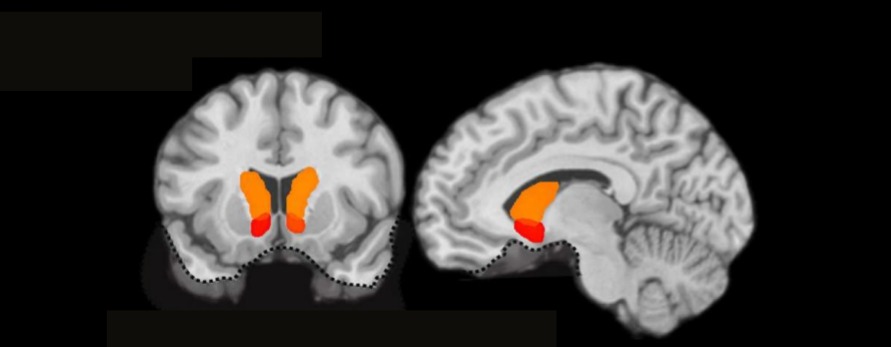
For example, neuroimaging research on gratitude practice has shown it to change the brain’s prosocial response. In one neuroimaging study, after a 3-week gratitude intervention, participants exhibited a greater neurological reward response when a charity received money compared to when they personally received money. This neurological change suggests a measurable increase in prosocial motivation.
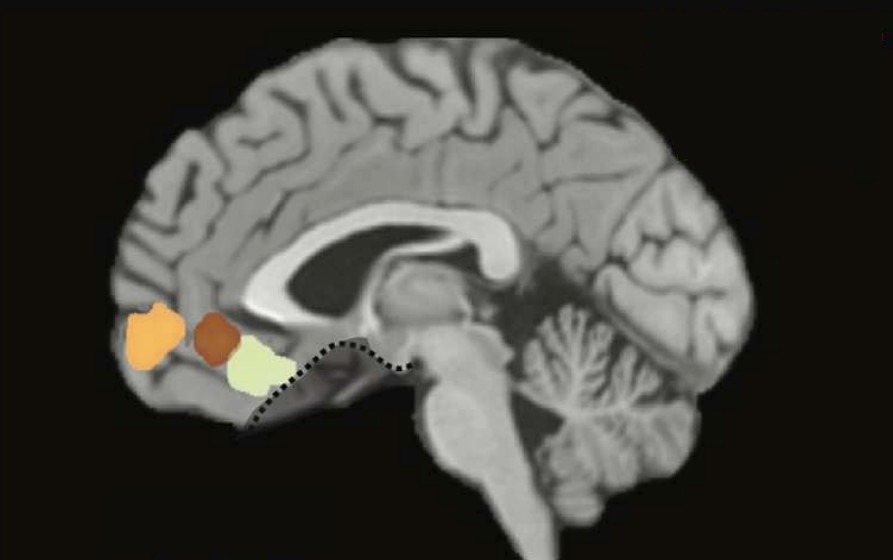
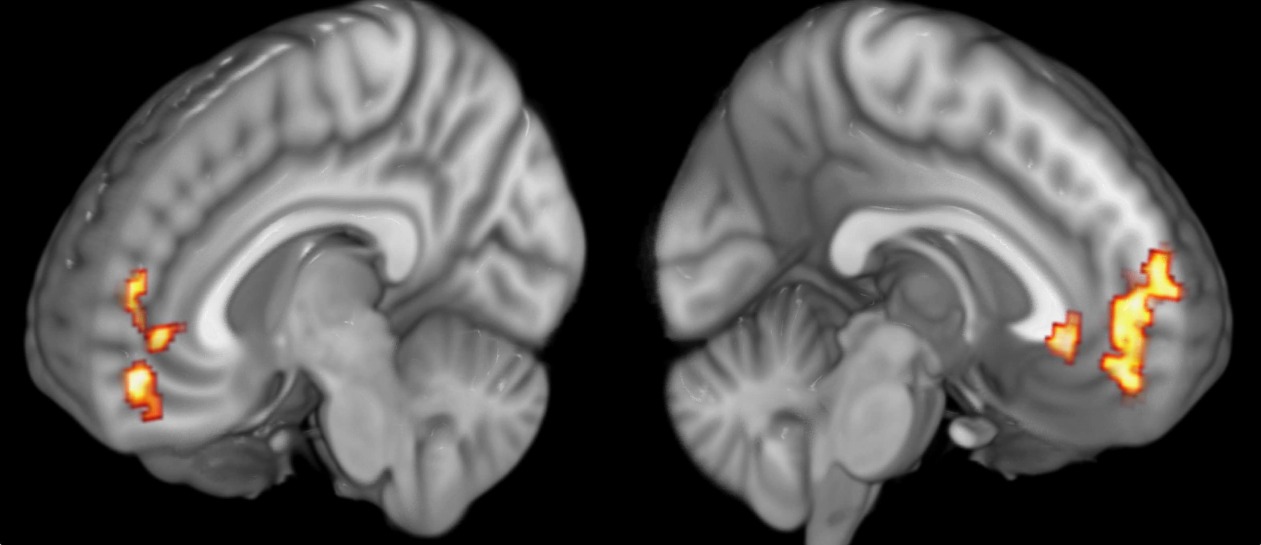
In another neuro-imaging study, the experience of gratitude was linked to activity in the medial prefrontal cortex and anterior cingulate cortex, which are regions associated with moral reasoning, social bonding, and perspective-taking. In other words, feeling grateful appears to recruit the same brain circuitry we use to understand other people's intentions and to process the reward of positive social interactions.
Gratitude also appears to strengthen our closest relationships. In romantic partnerships, expressing gratitude and feeling appreciated by a partner is linked to greater intimacy and relationship satisfaction. This mutual appreciation fosters a cycle of reciprocity, and in one study, those who were more appreciative at baseline were significantly more likely to still be with their partner nine months later.
How gratitude works
Before we dive into how gratitude works, it might help to first point out some common assumptions about improving our well-being.
When we think about mental health, or about improving how we feel, many of us tend to focus on what's wrong and how to fix it. Both in clinical training and in everyday life, there can be a natural tendency to direct most of our energy toward identifying problems, managing symptoms, resolving conflict, or coping with adversity.
That focus is important and necessary, but it can also create a subtle blind spot, leading us to underestimate the equal importance of positive emotions, such as gratitude. As we’ve seen, the research increasingly suggests that practices such as gratitude and lovingkindness are skills that drive meaningful outcomes. They are a key component in improving well-being, not just a nice addition.
To help explain why, we can turn to Barbara Fredrickson's Broaden-and-Build framework, which we introduced in Class 3. As a reminder, Frederickson’s key insight was that positive emotions do more than just feel good, and that they serve an important evolutionary purpose. When we experience positive emotions like gratitude, joy, or warmth, they broaden our cognitive and emotional range in the short term, making us more open, creative, and exploratory. Then, over the long term, that broadening helps build lasting internal resources, such as stronger social bonds, greater resilience, and deeper emotional knowledge. In other words, practicing gratitude doesn’t just help us feel good in the moment, but actively helps build the psychological resources that support long-term well-being.
This is something many of us already intuitively understand for other areas of life. For example, a close friendship can't survive on conflict resolution alone. No matter how good two people are at working through disagreements, something vital is lost if they aren't also actively investing in warmth, joy, and appreciation. It seems that the same is true for how we relate to ourselves.
Gratitude helps us remember blessings we may have forgotten
One of the ways gratitude helps build those internal resources is by counteracting the common pattern of forgetting the good things in our life.
Many of us have had the experience of getting something we really wanted, and then, after a while, barely noticing it anymore. That initial excitement from a new phone, a new house, or a raise at work is often fleeting. This natural tendency to get used to the good things in our lives is a phenomenon known as “hedonic adaptation” or the “hedonic treadmill.”
Gratitude can counteract this process by intentionally bringing forgotten sources of joy back into conscious awareness, thereby amplifying the good that we notice and experience.
Appreciating life changes helps drive overall well-being
To help remind ourselves of these forgotten sources of joy, one form of gratitude practice we can experiment with is sometimes called “mental subtraction.” Instead of simply listing something good, we can briefly imagine how that good thing might never have existed. The goal here is not to make us anxious about losing what we love, but to renew appreciation for what is already here. We can ask ourselves something like, “What good moment in my life might not have happened, or what good thing in my life might not have existed, and what does that help me appreciate now?”
You might recognize this kind of sentiment from the film “It’s a Wonderful Life,” in which a man sees what his town would have looked like if he had never existed, and is moved to appreciate his life more deeply. Research by Koo and colleagues (2008) studied this kind of reflection. Across multiple studies, they observed that participants showed more positive affect and satisfaction if they reflected on how a positive event came into their life and how it might never have happened in the first place, compared to the participants who just reflected on the mere presence of a positive event. In other words, imagining the absence of a positive event was more fruitful than simply noting its presence.
Lyubomirsky (2011) gives a possible explanation for why this works. When we notice that the good things in our lives were never guaranteed, and may not always stay the same, this can help slow the process of taking them for granted.
Gratitude helps us reframe negative events as opportunities
As we just discussed, gratitude helps us reconnect with good things we've stopped noticing. But additional lines of research suggest that it goes further than that. Gratitude also changes how we interpret the events in our lives as they unfold.
Research by Wood and colleagues suggests that grateful people are more likely to notice the value and sincerity of support they receive. And, in two longitudinal studies, they find that gratitude predicts lower stress and depression during major life transitions.
And, gratitude also works in the other direction. Beyond seeing the good around us more clearly, gratitude can also change how we relate to the challenging things.
Think about the last time you were stuck in traffic, frustrated and late. Our default reaction is to recognize this event as a major hassle or a threat, which is a primary driver of our stress response. However, practicing gratitude may help these frustrating moments in a new light, perhaps noticing that you have a car that runs, or that the delay gives you a nice moment to pause and listen to something you enjoy. In an eight-study paper, Lambert and colleagues found that gratitude was linked with positive reframing, or seeing something negative “in a positive light,” such as an opportunity to learn, grow, or deepen a relationship.
And, these skills aren’t limited to minor inconveniences. Research has found a link between gratitude and positive psychological outcomes even in breast cancer patients, suggesting that these skills can extend to some of life's most difficult experiences, even during serious illness or loss.
Practicing gratitude
Now let's look at how to actually practice gratitude. There are many different forms this can take, such as gratitude meditation, journaling, writing a letter, or the mental subtraction exercise we discussed earlier. Several of these are included as experiential exercises alongside this class, so you'll have a chance to try them for yourself.
However, no matter how we practice gratitude, the most important thing is to let it become a felt, embodied experience, rather than staying at the level of thought alone. This involves the same underlying core motions regardless of the specific gratitude exercise.
The first step in practicing gratitude is to bring to mind something specific that we feel genuinely grateful for. This might be a friend, a place, a moment, or an experience. It helps to include as much sensory detail as possible, possibly bringing up colors, textures, sounds, or smells. The more vivid and specific the memory, the more likely it is to generate a felt response in the body.
Then, the second step is to step into that feeling as it shows up in the body. We want to emphasize that this step is just as important, as we want to actively deepen the feeling of gratitude rather than just working with thoughts of it. This step involves moving our attention from the mental story of a good thing into the physical and emotional sensations that arise in the body. This might be a warmth in the chest, a softening of the face, a brightening behind the eyes, or a small, quiet smile. Wherever it shows up in the body, we can rest our awareness on that feeling itself, allowing it to become the primary object of our attention as the mental story recedes into the background.
You may recognize these motions as the same spark-and-savor structure from our lovingkindness meditation practice. This is because working with warmth, gratitude, or any other positive emotion is fundamentally supported by the shift from merely thinking nice thoughts to a felt, embodied appreciation of the corresponding emotion.
As with any meditative skill, this gets easier with practice. At first, you may need a vivid, detailed memory to generate the feeling of gratitude, which is completely fine. Over time, the gap gets shorter between thinking about something good and actually feeling gratitude in the body.
We also want to emphasize that gratitude practice is not just limited to formal practice sessions. We encourage you to bring this same skill into everyday moments as they arise. Throughout the day, you might notice brief flashes of warmth, maybe through a kind interaction with a patient, or a good cup of coffee, or a moment of sunlight. Rather than immediately moving on, see if you can stay with that sensation for a few extra seconds. Over time, those small moments of savoring can add up, gradually making gratitude less of a formal exercise and more of a natural way of relating to your experience.
To help you get started, we've included several guided gratitude exercises in the experiential materials for this class. We encourage you to experiment with them and see which ones resonate.
Understanding forgiveness
The scientific study of forgiveness
Despite its commonality in various cultures and traditions, the scientific study of forgiveness is fairly recent, having emerged in the 1990s. Early studies focused on interpersonal forgiveness, measuring the shift from vengeful feelings toward benevolence.

Over time, researchers recognized that forgiveness was broader than just how we relate to other people. This led to instruments like the Heartland Forgiveness Scale, which measured forgiveness across three distinct dimensions: forgiveness of self, forgiveness of others, and forgiveness of situations.
Subsequent research provided deeper inquiry into each of these dimensions. Studies explored self-forgiveness as its own process, forgiveness between groups rather than just individuals, and situational forgiveness, which involves releasing anger at circumstances beyond anyone's control, even releasing anger towards the world itself.
Forgiveness as an internal skill of letting go

Perhaps more than any other skill we are outlining, forgiveness is commonly misunderstood. Drawing on the work of Fred Luskin (2002) at the Stanford University Forgiveness Project, we’ll define forgiveness in this module precisely. Forgiveness is a voluntary release of hostile motivations and resentment which are then replaced with warmth, acceptance, and understanding. Two aspects of this definition deserve emphasis: forgiveness is internal, and forgiveness is a skill.
When we say forgiveness is internal, we mean that it describes a shift that happens inside of you, not something that happens between you and another person. You can forgive someone and still enforce your boundaries, still seek justice, and still choose never to speak to them again. Forgiveness does not require reconciliation, condoning, or forgetting. These superficially similar patterns are its “near enemies”, and confusing them can make forgiveness feel difficult or even impossible, as we might believe that it’s asking us to go back to a harmful relationship or deny wrongdoing. In reality, genuine forgiveness only asks us to free ourselves from holding on to the emotional weight.
When we say forgiveness is a skill, we mean it can be learned and practiced. For example, one central technique in Luskin's method involves examining what he calls the “grievance story.” This is the narrative we rehearse about how we were wronged, placing us as the victim. Luskin's approach asks us to amend this story into what he calls a “hero story”, not by denying what happened, but by shifting away from blame and victimization, and toward what we can do now to find peace. We can’t change the past, but we can change our relationship to what happened, gradually working to let go of the emotional burden that we’re carrying from it. We’ll explain multiple subskills of forgiveness to help you practice, and we’ve also included a guided forgiveness meditation as part of the experiential component for this module.
Forgiveness as a process of feeling

Knowing that forgiveness is an internal shift rather than an external action is a good starting point. We also want to emphasize that forgiveness, much like meditating on warmth, kindness, and gratitude, depends on an authentic, emotional shift rather than merely on the content of our thoughts or the intention to forgive.
Worthington et al. (2007) drew an important distinction between what they called decisional forgiveness and emotional forgiveness. Decisional forgiveness is a cognitive intention to behave differently toward the person who wronged you, but you may still feel resentful inside. Emotional forgiveness goes further. It involves the actual replacement of negative emotions like bitterness and hostility with positive emotions oriented to the other person, such as empathy and compassion. They argued that it is emotional forgiveness, not decisional forgiveness, that drives the health and wellbeing benefits we see in the research, as it engages the body's stress response at a physiological level.
This distinction has held up empirically. Baskin and Enright (2004) conducted a meta-analysis of forgiveness interventions and found a clear split: decision-based interventions, where participants simply made a cognitive commitment to forgive without further emotional work, showed no significant effect. In contrast, process-based interventions, which had participants go through structured emotional follow-ups and techniques, showed robust and significant effects. Lichtenfeld et al. (2015) demonstrated something similar at the individual level. Participants who emotionally forgave a transgressor were significantly more likely to forget offense-relevant traits associated with that person, while those who only decisionally forgave remembered those traits just as well as a control group. In other words, deciding to forgive didn't change anything under the surface, but feeling the forgiveness did.
Forgiveness of a person
Feeling better emotionally
In previous classes we've discussed the need to immersively sink into the feeling of warmth and kindness to benefit from LKM, and not just relate mechanically to the phrases or images you are working with. The same principle applies here. Just like running shoes won't get you fit unless you put them on and run, forgiveness won't heal unless you work through the process on an emotional level.
The benefits of forgiveness
Psychological and mental health benefits
With that overview of what forgiveness is and how researchers have come to understand it, let's turn to what the evidence says forgiveness actually does for us, starting with its effects on mental health.
Forgiveness interventions are consistently associated with reductions in the burden of negative emotional states. In a meta-analysis of 54 therapist-led forgiveness intervention studies, participants receiving forgiveness treatment showed greater improvements in depression, anxiety, and hope than those receiving no treatment. A later meta-analysis of RCTs found significant benefits for depression, anger, hostility, stress, and positive affect. Further, in a randomized controlled trial examining trauma survivors, women who completed forgiveness therapy showed greater improvements in anxiety and anger at a 12-month follow-up compared to those in a standard therapy group.
Forgiveness therapy Usual care
Beyond just symptom reduction, forgiveness also appears to support positive psychological functioning more broadly. A meta-analysis focusing specifically on self-forgiveness found it to be positively correlated with psychological well-being, suggesting that how we relate to our own mistakes matters as much as how we relate to the wrongs of others. And, in a large longitudinal study of female nurses, higher levels of forgiveness were linked to key facets of well-being, including positive affect and social integration.
Finally, there is evidence that forgiveness may actually strengthen emotional resilience over time. Research suggests that what researchers call "forgivingness," or a dispositional tendency toward forgiveness, can buffer the relationship between life stress and mental health symptoms, and that increases in forgiveness are associated with lower perceived stress over time. In other words, forgiveness may help us not just recover from difficulty, but also weather it more gracefully in the first place.
Relational and group benefits of forgiveness
So far, we've focused on what forgiveness does for the individual, but the research also suggests that forgiveness is a powerful tool for healing and strengthening social bonds, from our closest relationships into our communities and organizations.
Starting with intimate relationships, forgiveness seems to be a critical ingredient for long-term relationship stability. And, importantly, not all forgiveness is created equal. In a study of 268 newly married couples, it was “emotional forgiveness” rather than “decisional forgiveness” that predicted greater marital stability over time.. This means actually softening the negative feelings one holds toward a partner is what matters, rather than just an intellectual choice to let something go. Telling yourself you've forgiven someone is not the same as the felt shift that genuine forgiveness involves.
The same logic extends beyond the couple. A meta-analysis examining intergroup forgiveness found that empathy and trust were positively linked with forgiveness between groups, while anger and fear were associated with its absence. This suggests that the emotional conditions that support forgiveness between two people are similar to those that support forgiveness at a much larger scale.
Finally, fostering forgiveness can have meaningful implications for entire organizations.
When employees perceive a strong climate of forgiveness, they report performing better at resolving customer complaints, and people who are more forgiving are less likely to engage in retaliatory responses during conflict.
For healthcare teams specifically, a forgiving workplace climate seems to buffer against the effects of workplace hostility, and is linked with both higher job satisfaction and higher mental well-being.
Forgiveness and clinical mistakes
Beyond the benefits of forgiveness for our internal lives and our relationships, it’s worth taking a closer look at why forgiveness may be useful in clinical work.
Medical professionals work in a high-stakes environment with great responsibility. They are in a unique position to create genuine, profound change in people's lives, but that also means that their errors can carry immense, sometimes irreversible, consequences.
This creates a complex and recurring need for forgiveness, which generally stems from two distinct areas.
The first is major adverse outcomes. Research has highlighted the tragic scale of fatal medical errors, with some estimates reaching into the tens of thousands or more annually. In the wake of such an event, patients and their families may find themselves wrestling with the clinician, or the institution, or both, along with feelings of anger, blame, and the difficulty of forgiveness. At the same time, the clinicians involved in a serious error often contend with a wide and painful range of emotions themselves. This includes guilt, anger, frustration, fear, shame, self-doubt, and burnout, whether that’s towards themselves, teammates, patients, or hospital administration.
The second source is the daily stressors and frictions of clinical life. Even apart from catastrophic events, the need for forgiveness arises constantly, in smaller but equally important ways. These are the more common situations which can accumulate over time, such as negative interactions with colleagues, rude or unkind patient behavior, systemic burnout, or stress about patient outcomes.
Forgiveness practice is useful across all levels of interaction and severity of error. For healthcare workers, it is a critical tool to be able to move on, learn from mistakes, process daily frictions, and continue providing effective and sustainable care.
Are some things unforgivable?
Up to this point, we've mostly been discussing forgiveness in contexts that might feel somewhat approachable, such as interpersonal tension, workplace stress, or daily frustrations. We then looked at clinical work, where the intensity increases significantly, as a serious medical error can carry irreversible consequences. But of course, this extends well beyond the clinical setting. As human beings, many of us will encounter experiences of loss, betrayal, or trauma so deep that forgiveness may seem not just difficult, but impossible. And it's natural to wonder if some things are unforgivable.
First, we want to reiterate that if working with this topic feels overwhelming, please seek appropriate social or professional support. Second, we must again be very clear in our definition: forgiveness is the internal act of dropping resentment and cultivating warmth. It does not mean condoning an act or obligating you to reconcile.
With these caveats in mind, the research provides inspiring evidence for the human capacity to heal. Even after severe trauma, studies show that forgiveness can be a powerful pathway to recovery.
One randomized controlled trial examined U.S. combat veterans struggling with PTSD and moral injury, defined here as distress from violating deeply held morals including the act of killing in war. In this trial, a therapeutic approach that focused on processing grief, guilt, and self-forgiveness was associated with reduced PTSD and psychiatric symptoms, as well as meaningful improvements in quality-of-life functioning.
This kind of finding was further corroborated by a systematic review of 13 studies on forgiveness after man-made traumatic events, such as war or terrorism. Higher levels of forgiveness were often associated with lower PTSD-related symptom scores.
Further, in a 2021 randomized pilot trial with parents bereaved by the loss of a child, an educational forgiveness intervention was associated with greater decreases in depression, anxiety, and anger, compared to a standard grief intervention.
Taken together, the research appears to offer forgiveness as a meaningful path toward healing, even across very different and severe contexts of loss and suffering.
How forgiveness works
Forgiveness as letting go of unenforceable rules
So, having explored what forgiveness is, what it isn't, and what the research tells us about its benefits, let's now turn to the question of how forgiveness actually works.

There is an old joke often attributed to the comedian Lily Tomlin: “Forgiveness means giving up all hope for a better past.” That the past should be different is an impossibility, and wishing it was different only creates inner tensions. This internal conflict is often perpetuated by hardening the harm into a "grievance story," which Dr. Fred Luskin's work at Stanford identifies as a key mechanism for staying stuck in pain.
Luskin's model suggests the source of this chronic suffering is our attachment to "unenforceable rules,” rigid demands for how life should be. For example, one might rigidly demand that “life must be fair.” A grievance is sustained by trying to enforce a rule we cannot control. It is this attachment to an unenforceable rule, rather than the initial harm, that keeps grievance alive and locks us in a loop of pain.
These rules show up in various forms that you might recognize. Things like: "My children must appreciate the sacrifices I've made for them." Or, "My parents must approve of my life choices." Or, “My parents should have been different.” Or, perhaps the most universal of all: "I shouldn’t get old and sick."
Each of these is, in its own way, a rigid demand placed on reality, that we cannot actually enforce. An important aspect of forgiveness is the practical skill of releasing our grip on these "rules," releasing our story of pain to foster resilience, inner peace, and kindness.
Perspective taking is key for forgiveness
So, releasing our grip on unenforceable rules is one key mechanism of forgiveness. But the research also points to another key factor, which is the role of perspective-taking or empathic understanding.
A foundational study that developed a model of interpersonal forgiveness in close relationships suggests that the central condition for forgiveness is warm empathic understanding for the other party.
Process-based models of forgiveness identify the development of perspective as a crucial stage and large-scale meta-analysis of over 175 studies confirmed that empathy for the transgressor is one of the strongest predictors of interpersonal forgiveness.
For example, imagine that a close friend cancels plans unexpectedly with a vague excuse, and your initial reaction might be frustration. But if you pause and recall a time you did something similar, perhaps under stress that you couldn’t easily explain, it becomes easier to extend empathy and understanding, rather than judgment. This is the shift in perspective that the research describes being associated with forgiveness.

In an experimental study, students who recalled times they had hurt others reported greater willingness to forgive an apologizing classmate. A broader seven-study paper by Exline and colleagues later found that people were generally more forgiving when they saw themselves as capable of similar wrongdoing, partly because this increased empathic understanding and perceived similarity to the offender.
And as process-based models warn, rushing to forgive without genuine emotional and perspectival work can lead to "premature forgiveness," which typically fails to resolve the underlying tension.
Summary of forgiveness subskills and process
Taken together, the research we’ve covered on what forgiveness is, how it benefits us, and the mechanisms that drive it, gives us a picture that is consistent with the broader themes of this course. Like the other skills we've been learning, forgiveness is something we can train and get better at. As we've done throughout this course, it helps to break the process down.
Research identifies multiple core mechanisms of healing. These include feeling the emotion, changing the story through cognitive reframing, and taking perspective. Further, structured intervention models of forgiveness, such as the REACH model and the Enright process model, provide pathways for long-term healing by synthesizing these components in supportive contexts.
Drawing on these lines of research, we can identify a set of core subskills that make up a forgiveness journey, and that connect naturally to the contemplative skills we've been discussing throughout this course.
The first is cultivating the intention to forgive, or what researchers call decisional forgiveness. This means making a conscious choice to begin the process. This is a commitment made to yourself to do what is necessary to heal, not to the person who caused harm.
The second is acknowledging harm, or processing pain. This means safely turning toward and validating the genuine anger, grief, or hurt without bypassing or repressing it. This is about working to greet our negative emotions with warm acceptance. It can help to share the story with one or two other people as part of this subskill.
The third is developing understanding, or perspective-taking. This can include exploring the shared humanity and conditions that may have led the other person, or ourselves, to act harmfully. Part of what makes this subskill healing is the recognition that experiences like these are common, and not unique to any individual.
The fourth is reframing the narrative, or a cognitive shift. This is actively shifting the story from one of intentional malice and victimhood, to one of ignorance, pain, or misunderstanding. This includes the key skill of identifying and letting go of "unenforceable rules,” the rigid expectations for how life and others must behave.
The fifth is disentangling forgiveness from reconciliation, or setting boundaries. It’s important to understand that forgiveness is an internal act of release. It carries no obligation to trust the person again, to condone what they did, or to re-enter a relationship. Holding these two things clearly apart is an essential part of the process.
The sixth is releasing resentment, or emotional forgiveness. This is the somatic, felt sense of letting go. As we've explored throughout this course, this kind of shift happens not just as thoughts in the mind, but at the level of embodied experience, meaning that we feel a genuine dropping of tension.
The seventh is finding meaning in the harm, or post-adversity growth. This includes searching for any personal growth, new strength, or unexpected benefit that may have emerged from the experience. This is not about minimizing what happened, but just noticing that we can often carry forward value from even our most difficult moments.
And the eighth is consistently embodying benevolent forgiveness. This is the shift from forgiveness as an isolated act of releasing a specific past hurt, toward forgiveness as an integrated way of being. Over time, and as our practice matures, forgiveness becomes an active, ongoing, embodied warmth that becomes part of how we move through the world.
As with all of the skills we've covered in this course, these steps are not meant to be rushed or performed perfectly. They unfold over time, and at their own pace. For some people, the hardest part might be turning toward the pain, and for others, it might be letting go of the story. There's no single right order, and it's common to revisit earlier steps as the process deepens and as your practice matures.
Near enemies of forgiveness
Forgiveness can have profound effects in our lives when practiced skillfully, but it is often mistaken for its “near enemies.” As we've discussed, these “near enemies” are not failures, but natural confusions that we can untangle as our practice matures. It is worth taking time to untangle these confusions with particular care, because forgiveness is a practice where the near enemies can carry real consequences.
To illustrate this danger, we can take an example from the research on what we might call “toxic forgiveness.” A study of newlywed couples found that forgiveness can actually be maladaptive when it is applied unskillfully. Spouses who practiced a mixture of weak boundaries, condoning wrongdoing, and forgiveness actually saw their partner's aggression continue, whereas the spouses who were less forgiving saw aggression decrease.
This is just one example of how the near enemies of forgiveness can invite harm. For this reason, many practitioners avoid practicing forgiveness altogether, as the version of forgiveness they imagine would indeed require them to accept harm. And, on the other hand, other practitioners might already be regularly engaged in what they believe to be forgiveness, but are unknowingly practicing a near enemy that is perpetuating the very tension they are trying to release. In either case, it is important to clarify what genuine forgiveness is not, so that we can practice it safely and skillfully.
Let’s now go through some of the near enemies.
Mistaking an internal shift for an external action
One of the most common confusions around forgiveness is believing that it means we must change our external world. However, at its core, forgiveness is an internal process of releasing our own burden.
This one confusion can manifest in various ways. Remember that these are not failures, and are often driven by an underlying wholesome concern.
- Fears that forgiving says “what you did was okay”
- Treats releasing resentment as endorsing the harm
- Guards against wrongdoing being quietly swept aside
- Assumes forgiving means re-entering the relationship
- Collapses two separate acts into one
- The wish for restored connection outruns safety
- Forgiving becomes proof of being the bigger person
- The other’s wrongdoing props up our own standing
- Moral high ground replaces released resentment
- Assumes the memory itself must be erased
- Still remembering is taken as proof of failure
- Forgetting is substituted for remembering differently
- Forgiving feels like losing or letting them win
- Guards a sense of strength and firm boundaries
- Mistakes an act of courage for capitulation
- An internal shift, not an external transaction
- Names the wrong clearly and keeps boundaries firm
- Remembers what happened without carrying its weight
The first way this can manifest is the fear that forgiving means condoning or excusing what happened. This is the fear that by forgiving, we are saying, "What you did was okay." This fear can come from the wholesome intent to protect ourselves, making sure that wrongdoing is not quietly swept aside. However, genuine forgiveness acknowledges that what happened was wrong, without excusing it, allowing us to practice letting go of whatever internal tension we might have been carrying from that event.
The second near enemy is believing that forgiveness means reconciling, or requires us to re-enter a relationship. In reality, forgiveness and reconciliation are two separate acts. You can fully forgive someone while maintaining a firm, healthy boundary, which might even include never speaking to them again. One reason this confusion might arise is because of our wholesome, human desire for safe and restored connection. But, we must heal internally first before we can clearly assess if external reconciliation is safe.
The third near enemy here is displaying saintly superiority. This is the belief that forgiving makes us “the bigger person” or establishes us on the moral high ground. However, true forgiveness dissolves our resentment, and does not use the other’s wrongdoing to build up our own ego. This can often be driven by a wholesome concern for self-protection, or trying to restore a sense of dignity and self-respect that was violated.
The fourth near enemy is confusing forgiveness with forgetting. This is the idea htat we must erase the memory of what happened, or that if we still remember what happened then we haven’t truly forgiven it. This can come from a wholesome intent to stop replaying the experience, or to let go of rumination and move on. However, genuine forgiveness does not actually ask us to erase the memory, but remember it differently, changing our relationship to it. We can remember clearly what happened, and maybe even integrate the lessons from that experience, but without being pulled back into the toxic emotional weight of it.
The fifth near enemy is believing that forgiveness is a form of weakness. We may feel that forgiving makes us “weak” or lets the other person “win.” This can come from a wholesome concern to protect our boundaries and make sure that we’re strong enough to stand up for ourselves and ensure we are not harmed again. And as we discussed, genuine forgiveness does not actually ask us to abandon those boundaries. Scholars and practitioners agree that genuine forgiveness is an act of profound courage and strength. It is taking responsibility for our own healing, rather than leaving our well-being in the hands of the person or situation that hurt us.
As you begin to practice forgiveness, you may notice some of these near enemies arising, and you may start to recognize the wholesome concerns underlying them. When that happens, the goal is not to suppress the resistance or force it to resolve immediately. We’ve named these patterns so you can meet them with the same compassion that forgiveness itself asks of us. Fully untangling these concerns and working towards genuine forgiveness is a process that can unfold over months or years, and may be best explored in a therapeutic context, and we encourage you to seek that support if it feels needed.
Mistaking a process for a one time event
This brings us to another common area of confusion. This is treating forgiveness as something we do once and get over with, rather than it being an ongoing process. This is understandable. When we are in pain, we naturally want it to be over now, which can lead us to rush toward forgiveness and actually keep us stuck.
Again, there are a few ways that this can manifest, and each of these near enemies of forgiveness are also often driven by an underlying wholesome concern.
- Rushes to forgive before the emotions are processed
- Forgiving thoughts used to bypass grief, anger, or pain
- Peace is reached for instead of passed through
- Avoids re-entering the pain that still needs healing
- Anger, grief, and our own wrongdoing go unexamined
- The work of understanding the other is left undone
- Assumes a firm decision should settle it at once
- Treats lingering pain as evidence of failure
- Magical thinking replaces a process that takes time
- Unfolds over months or years, not in a single act
- Moves through the pain with warm acceptance
- Lets relief arrive in its own time
The first near enemy here is premature forgiveness or “pseudo-forgiveness”. This is when we rush to forgive before we have truly processed our emotions. We might use forgiving thoughts as a way to bypass or suppress our genuine emotions of grief, anger, or pain. This can come from a wholesome desire for peace and to let go of hurt, but true healing requires us to pass through the pain with warm acceptance, rather than minimizing it or denying it.
The second near enemy here is skipping the hard parts of the forgiveness process. This can come from a wholesome intent to protect ourselves from re-experiencing more pain. However, by avoiding the pain, we can fail to heal it. Genuine forgiveness requires us to acknowledge our anger, process our grief, and sometimes even fully assess our own wrongdoing. It can also involve the "work phase" of developing understanding or empathy for the other person’s perspective.
The third near enemy here is expecting forgiveness to come with immediate relief. It’s easy to forget that forgiveness takes time to unfold. Like the other near enemies we just discussed, this can come from the wholesome intent to quickly move forward with our lives, and to quickly find resolution from the emotional weight. And, this confusion can be especially exacerbated by a kind of magical thinking, where we believe that if we just decide firmly enough, we should be able to will ourselves past the pain. However, the actual forgiveness process can take months or years to unfold.
Taken together, these near enemies all treat time as the enemy. Premature forgiveness reaches past the pain, skipping the hard parts steps around it, and expecting immediate relief demands that it be over on command. Each is an understandable wish to stop hurting sooner. Genuine forgiveness does not ask us to hurry. It moves through grief and anger with warm acceptance, and lets relief arrive in its own time rather than on ours.
Working with forgiveness in meditation
Now that we’ve explored forgiveness conceptually, we’re going to introduce forgiveness meditation.
As a reminder, you can think of forgiveness practices as an extension of the 4Rs. In a sense, both forgiveness and the 4Rs are practicing the same skill of working with challenging experiences through warm acceptance.
Forgiveness meditation is a valuable practice in its own right, but it’s also one of the most effective approaches we've seen for working through obstacles to a sense of warmth during meditation practice. Even if you are not currently struggling, you may find yourself feeling blocked at other points, so it’s helpful to have in your toolkit now. And, even if you feel that you don’t have anything in particular to forgive, it can be surprisingly useful to try this practice. Forgiveness meditation can give us a space to be curious and open to softening emotional weight that we didn’t even realize we were holding.
Make sure you are safe and stable before beginning forgiveness
Before we get into the practice itself, we want to remind you to approach it gently.
Forgiveness practice can be profoundly healing, and it can also open us up to difficult emotions and experiences that we may have been unconsciously avoiding. Before you begin, it’s useful to reflect on whether you feel grounded enough to meet challenging emotions with openness and care. Forgiveness practice asks us to turn toward pain with an open heart rather than looking away from it, and that requires a somewhat stable base of mindfulness, self-compassion, and emotional regulation. If you're currently in a place of strong fear, panic, shame, or confusion, it may be worth waiting until you feel more settled. Approaching forgiveness with urgency, trying to force something to shift, tends to be counterproductive.
If at any point the practice feels overwhelming, feel free to step back and take a break. You can try to reconnect with the sensation of your body and breath, or shift your attention to an image that recalls warmth or safety. And, if overwhelming feelings persist, it may be helpful to seek support from a trusted friend, therapist, or other qualified mental health professional. We’ve included suggested potential resources in the Forgiveness Meditation Instructions handout.
How to practice forgiveness meditation
- Preparation
- Find a quiet place and comfortable posture
- Try to sit for a minimum of 10 minutes at a time, and experiment with longer sits as your practice develops.
- Self-forgiveness practice
- Begin by repeating a sentence or phrase to yourself. We recommend: “I forgive myself for not understanding.”
- This sentence is effective because misunderstanding is the source of many wrongdoings. It doesn’t remove accountability, but helps us perspective-take with our past self.
- Focus on bringing up feelings of compassion and understanding toward yourself, and warmly welcome challenging emotions like grief or anger fully without resistance.
- Be wary of stories or narratives that may arise alongside strong emotion. Return to the 4R’s when you find yourself straying from your direct experience.
- As you are ready, shift your attention to the feeling of forgiveness, with the expansiveness and warmth it entails. Welcome any tender or bittersweet feelings of compassion and vulnerability that may arise as tension relaxes.
- Begin by repeating a sentence or phrase to yourself. We recommend: “I forgive myself for not understanding.”
- Forgiving others
- Bring to mind someone towards whom you hold resentment or anger, or notice if they have arisen spontaneously.
- Use the same phrase but switch to “I forgive you for not understanding.”
- Rest in the intention toward and feeling of forgiveness.
- Imagine releasing the tension and letting go of any ill feelings towards them.
- Allow progressive levels of tension to relax and abide in any pleasant sensations that accompany letting go.
- Forgiving the world
- Bring to mind a situation that has been causing you stress or difficult feelings. This could be anything from morning traffic to a loved one’s illness.
- Sometimes, it helps to get right to the core of the matter and forgive the world or the universe for existing in a way that allows these things to happen.
- Repeat the phrase, “I forgive this situation for happening” or “I forgive the world” or “I forgive my higher power” (or whatever phrase works for you).
- Again, rest in the intention and feeling of forgiveness, releasing any tension that arises and allowing vulnerability and warmth.
- Bring to mind a situation that has been causing you stress or difficult feelings. This could be anything from morning traffic to a loved one’s illness.
This can be practiced alone and at any time. We’ve included an optional 30 minute guided meditation we recommend trying at least once. This meditation is based on the Guide to Forgiveness Meditation by the American Buddhist teacher Bhante Vimalaramsi.
Tips for practicing forgiveness meditation
- Be gentle with the process: Be gentle with this process, remembering that forgiveness is an ongoing process and practice, not a single event.
- Don’t forget to forgive yourself: Depending on your personality, it may feel more natural to focus on forgiving other people, but meta-analytic evidence shows that forgiving yourself also matters.
- Welcome resistance as part of the path: You may not feel immediate relief, and that is perfectly okay. It is completely normal for the heart to protect itself. When you notice resistance, see it not as a failure, but as a sign that you are courageously touching a place that needs healing.
- Forgive yourself for not forgiving: Commonly, it can be useful to practice forgiveness to ourselves for counterproductive annoyance that your mind is not warmer or stiller!
- Practice perspective taking: Bringing attention to a time where you hurt someone else facilitates empathy towards those that have wronged you. Recalling your imperfections naturally softens judgement, introduces humility, and promotes understanding.
- Recall a time you forgave: Remembering how that felt, the benefits you received, and the process you underwent. This can help generate a sense of confidence in the process, and your agency and ability to forgive.
- Treat every distraction with warm acceptance: Forgiveness is a contemplative skill, and the "reps" are the very moments you feel resistance or distraction. Instead of fighting it, practice the 4Rs and try to soften into the forgiveness meditation.
- Open to the unexpected: As your heart softens, you may be surprised by what arises. The practice can bring up old memories, minor frustrations, or deep-seated feelings you didn't even realize you were holding onto. Meet these new discoveries with the same gentle, forgiving intention. Over time, forgiveness will become less of a process or a transaction, and more like a way of perceiving.
Conclusion: the virtuous cycle between gratitude, forgiveness, and mindfulness
[add our fundamental thm of psychophysics + etc propaganda here]
Gratitude supports forgiveness
As with so many of the meditative skills we’ve been studying in this course, gratitude, forgiveness and mindfulness are mutually reinforcing.

Gratitude supports forgiveness by:
- Cultivating forgiving emotional traits: Research shows a positive link between a stable tendency toward gratitude and the willingness to forgive. Gratitude can make us less prone to the prolonged anger and rumination that can block forgiveness. People higher in these traits also tended to report less anger and more empathy-related processes.
- Enhancing perspective taking: Through attending to the source of a blessing, gratitude practice enhances perspective taking, a critical component in enabling an individual to forgive a transgressor.
- Building adaptive coping resources: Gratitude acts as an adaptive coping resource. By building a "reservoir" of positive emotions, it buffers against bitterness and resentment, helping free the emotional space needed to engage in the difficult work of forgiveness.
A grateful disposition went with more forgiveness, and with more of nearly everything else worth having
Gratitude Questionnaire–6 Gratitude Adjectives Scale
One study by Çolak and Güngör (2021) mapped how these pieces fit together. In a sample of 796 university students, they found that gratitude was linked to less rumination almost entirely through forgiveness: grateful people were more forgiving, and more forgiving people ruminated far less. Once forgiveness was accounted for, the direct path from gratitude to rumination nearly vanished.
Forgiveness supports gratitude
On the other hand, unforgiveness acts as a powerful cognitive barrier to gratitude.
Characterized by rumination and resentment, this state traps individuals in narratives of blame, blocking the ability to recognize present benefits and making gratitude feel inaccessible.
The act of forgiveness can reopen a pathway to gratitude by:
- Calming the body: It reduces the body's physiological "threat" response, shifting you into a calmer, more receptive state. A nationally representative survey suggests these calming benefits extend to improve sleep-quality and downstream overall health benefits.
- Building perspective taking skills: Perspective taking augments forgiveness and the skills necessary to feel gratitude within our relationships. Neuroimaging evidence suggests this relationship may be bidirectional. Forgiveness engages neural networks underlying perspective taking and theory of mind, suggesting these capacities may mutually reinforce one another. Sometimes it can be hard to let in the good before we let go of the bad.
- Freeing us to focus on the good: Forgiveness frees your mind from ruminating on past hurts. This creates the cognitive space needed to notice life's benefits and to reframe experiences gratefully.
Mindfulness supports both forgiveness and gratitude
The powerful practices of letting go of grievances and taking in the good both rest on a single, shared foundation. That foundation is the simple ability to be mindfully present with our own experience. Mindfulness supports both forgiveness and gratitude by:
- Building attentional stability: Trains the foundational skill needed to notice positive data.
- Enabling metacognitive insight: Fosters the ability to recognize benefits (for gratitude) and reframe grievances (for forgiveness).
- Enhancing appreciative savoring: One study of 133 mindfulness practitioners found the positive association between mindfulness and life satisfaction was significantly explained by higher gratitude and savoring of positive experiences.
In our next class, we will turn our attention to the research and practice of meditative absorption: profound states of sustained well-being; the natural, transformative depth that arises when the mind becomes completely and comfortably settled.
Study 2 of that paper, in which adults completed a web-based survey containing both gratitude measures and a battery of other scales. Exact sample size to confirm.
The two gratitude measures are the Gratitude Questionnaire–6, six statements about how much of life feels like something received, and the Gratitude Adjectives Scale, three adjectives — grateful, thankful, appreciative — rated for how well they describe the person. Both are self-report; so is everything they are correlated with here, which is one reason to read these numbers as describing how people see themselves rather than how they behave.
Values as printed in the table: positive affect .53 and .57; negative affect −.43 and −.23; life satisfaction .53 and .38; forgiveness .36 and .30; spiritual transcendence .53 and .47. All are significant at p < .01.
The rows are reordered here by the Gratitude Questionnaire–6 value, with negative affect last so that the one leftward pair sits together. The published table lists them as positive affect, negative affect, life satisfaction, forgiveness, spiritual transcendence.
The published table also carries a block of five Big Five personality traits — agreeableness, conscientiousness, extraversion, neuroticism, openness — which is not shown here.
These are cross-sectional correlations in a single sample. Nothing in them establishes which way any of these relationships runs. Source. Figure 1 in Çolak, T. S., & Güngör, A. (2021). Examining the relationship between gratitude and rumination: The mediating role of forgiveness. Current Psychology, 40(12), 6155–6163.
796 university students completed trait measures of gratitude, forgiveness, and rumination. Forgiveness was tested as a mediator of the gratitude–rumination link using bootstrapped regression.
All values are unstandardized, as reported in the paper, with standard errors in parentheses there. Gratitude → forgiveness: 0.05 (0.01). Forgiveness → rumination: −1.92 (0.35). The direct effect of gratitude on rumination (c′) was −0.08 (0.04) and not significant once forgiveness was in the model; the total effect (c) was −0.17 (0.04), p < .001. The diagram is redrawn from the paper’s Figure 1 with the three constructs relabelled in their beneficial direction.
This is a cross-sectional mediation. It is consistent with gratitude reducing rumination by way of forgiveness, but does not establish that ordering over time. Source. Table 1 in Davis, D. E., Ho, M. Y., Griffin, B. J., Bell, C., Hook, J. N., Van Tongeren, D. R., DeBlaere, C., Worthington, E. L., & Westbrook, C. J. (2015). Forgiving the self and physical and mental health correlates: A meta-analytic review. Journal of Counseling Psychology, 62(2), 329–335.
The review pooled studies reporting a quantitative association between self-forgiveness and a physical-health, mental-health, or relationship outcome, requiring at least three independent samples per construct. Effects were combined using random-effects models and expressed as correlations. A correlation, r, runs from 0 (no relationship) to 1 (the two move in perfect lockstep) and captures roughly how reliably they rise and fall together.
The bars show the adjusted correlations (radj) — each raw correlation corrected for the unreliability of both the self-forgiveness measure and the outcome measure. That correction pulls the estimates toward zero, so these are the conservative values rather than the larger unadjusted ones. The two negative associations are plotted by magnitude and relabelled: “less guilt” is the radj = −.53 correlation with state guilt (11 samples, N = 1,494; 95% CI [−.66, −.37]); “less shame” the −.52 correlation with state shame (9 samples, N = 964; CI [−.58, −.46]). Better general mental health is radj = .50 (11 samples, N = 2,617; CI [.45, .54]); greater psychological well-being is .36 (65 samples, N = 17,939; CI [.32, .40]).
These are cross-sectional associations. They show that self-forgiveness and better emotional health go together, not that one causes the other. Source. Figure 3 and Table 1 in Haroon, Z., Iftikhar, R., Kim, J. J., Volk, F., & Enright, R. D. (2021). A randomized controlled trial of a forgiveness intervention program with female acid attack survivors in Pakistan. Clinical Psychology & Psychotherapy, 28(4), 917–928.
Sixteen female acid-attack survivors were randomly assigned: eight to twice-weekly individual forgiveness sessions over four months, and eight to the care they would otherwise have received. All three measures are PROMIS short forms, on which a higher score means more symptoms.
The points are the group means printed in Table 1 rather than readings traced off the published figure. Anxiety: forgiveness 33.00, 18.56, 16.50; usual care 31.58, 30.63, 30.50. Depression: forgiveness 38.17, 23.00, 20.38; usual care 37.63, 36.43, 35.75. Anger: forgiveness 23.38, 15.44, 11.75; usual care 22.00, 21.81, 22.25.
The three panels share one 0–40 scale so their shapes can be compared, but they are three different instruments: 20 on anger does not mean what 20 on depression means. Read each panel against itself.
The between-group differences at post-treatment and at follow-up were significant on all three measures (p < .01). With eight people in each group those estimates are very imprecise, and the trial is best read as one striking result rather than as a settled effect size. Source. Figure 5 in Wade, N. G., Hoyt, W. T., Kidwell, J. E. M., & Worthington, E. L. (2014). Efficacy of psychotherapeutic interventions to promote forgiveness: A meta-analysis. Journal of Consulting and Clinical Psychology, 82(1), 154–170.
The lines pool only those studies in the meta-analysis that measured participants again after treatment ended: 41 treatment conditions and 18 no-treatment control conditions. Each point is growth in forgiveness compared with that group’s own baseline, expressed as an effect size, so zero means no change rather than no forgiveness.
The dashed rule at 0.8 is the conventional marker for a large effect. It is a benchmark the field uses, not anything measured in these studies.
The three columns are the study calendar rather than a time scale. Follow-up came at a different interval in every study pooled, so the distance between the last two columns does not stand for any particular number of weeks.
These are within-group changes. The comparison the meta-analysis rests on is between the two lines, not the height of either one on its own.
Values are traced from the published figure. Source. Panel (a) of Figure 2 in Cheng, S.-T., Tsui, P. K., & Lam, J. H. M. (2015). Improving mental health in health care practitioners: Randomized controlled trial of a gratitude intervention. Journal of Consulting and Clinical Psychology, 83(1), 177–186.
102 practitioners were randomly assigned to write a work-related gratitude diary twice a week for four weeks, to write about work hassles on the same schedule, or to do neither. Depressive symptoms were measured at baseline, at the end of the writing month, and again three months after that.
The lines are the study’s adjusted means, which account for education, years of professional experience, and their interactions with time. Error bars are standard errors; the published figure shows none at baseline.
The vertical axis runs from 6 to 12, as it does in the published figure, rather than from the bottom of the measure. The distances between the lines are therefore magnified.
The paper also reports perceived stress, panel (b) of the same figure, where the three groups separate the same way. It is not shown here.
Values are traced from the published figure, and the error bars in particular are approximate. Source. Figure 3 in Watkins, P., Scheer, J., Ovnicek, M., & Kolts, R. (2006). The debt of gratitude: Dissociating gratitude and indebtedness. Cognition & Emotion, 20(2), 217–241.
Participants read a scenario in which someone did them a favour, and the scenarios differed only in how much the giver was described as expecting in return: nothing, a moderate amount, or a great deal. They then rated how much gratitude, indebtedness, and obligation they felt.
The vertical axis is drawn from 2.5 to 5.5, as it is in the published figure, rather than from the bottom of the rating scale. The distances between the lines are therefore magnified; what the chart is for is the direction each line runs, not how far apart they look.
The published figure separates the three lines by dash pattern and marker shape, because it is printed in black and white. Here they are separated by color and named at their right ends instead. Source. Figure 5 in Fox, G. R., Kaplan, J., Damasio, H., & Damasio, A. (2015). Neural correlates of gratitude. Frontiers in Psychology, 6, 1491.
Twenty-three participants imagined receiving gifts of aid drawn from Holocaust survivor testimony and rated how grateful each gift made them feel. Across the whole brain, activity that tracked participants’ trial-by-trial gratitude ratings converged on a cluster spanning both hemispheres of the medial prefrontal cortex, including the anterior cingulate cortex, shown here in a sagittal slice from each hemisphere. Source. Karns, C. M., Moore, W. E., & Mayr, U. (2017). The cultivation of pure altruism via gratitude: A functional MRI study of change with gratitude practice. Frontiers in Human Neuroscience, 11, 599.
Thirty-three participants (16 gratitude, 17 active-neutral) completed 3 weeks of daily journaling, then had their brain response to a money-giving task scanned before and after. In each region of interest, the value shown is the contrast between neural response to charity-gain trials and self-gain trials, sometimes called “neural pure altruism” — bars extending left mean the region responded more to money going to charity, bars extending right mean it responded more to money going to the participant.
Values here are the post-test means and standard errors reported in Table 5, not the pre-to-post change plotted in the paper’s own Figure 4 — so bar heights won’t match that published chart directly, though the same qualitative pattern holds. Nucleus accumbens and caudate values are averaged across left and right hemispheres for display; the paper reports them separately.
The brain slice insets are cropped from the paper’s Figure 4, showing the seven a priori regions of interest. Source. Based on the left panel of Figure 4 in Sheldon, K. M., & Lyubomirsky, S. (2012). The challenge of staying happier: Testing the hedonic adaptation prevention model. Personality and Social Psychology Bulletin, 38(5), 670–680.
In a 3-month, three-wave longitudinal study of 481 college students, participants identified a recent positive life change and, at each wave, reported the amount of positive emotions they had and how much they still appreciated the life change. Source. Figure 2 in Witvliet, C. V. O., Ludwig, T. E., & Laan, K. L. V. (2001). Granting forgiveness or harboring grudges: Implications for emotion, physiology, and health. Psychological Science, 12(2), 117–123.
Seventy-one undergraduates (36 male, 35 female) identified a real-life person who had hurt, offended, or mistreated them. Then, they imagined responding to that offender in four ways: rehearsing the hurt, harboring a grudge, empathizing with the offender, and granting forgiveness. Facial EMG, skin conductance, heart rate, and blood pressure were recorded continuously. Each imagery trial (repeated eight times per condition) consisted of an 8-second baseline, a 16-s imagery period, and an 8-second recovery period.
Source. Figure 1 and Table 3 in Baskin, T. W., & Enright, R. D. (2004). Intervention studies on forgiveness: A meta-analysis. Journal of Counseling & Development, 82(1), 79–90.
The meta-analysis pooled nine randomized forgiveness-intervention studies, sorted into three types: decision-based interventions, in which participants were guided to make a cognitive commitment to forgive; process-based group interventions; and process-based individual interventions, which walk a person through a structured emotional process such as Enright’s 20-step model. Each bar is the aggregate standardized mean difference (Cohen’s d) between the intervention and control groups at post-test, with its 95% confidence interval; d = 0 means no difference from control, and roughly 0.2 / 0.5 / 0.8 are conventionally small / medium / large.
The left panel (“Forgiveness of a person”) pools outcomes that measured forgiveness itself (4, 3, and 2 interventions; totals n = 188, 120, 22). The right panel (“Feeling better emotionally”) pools outcomes that measured emotional health — anxiety, depression, self-esteem, grief, and the like (2, 3, and 2 interventions; totals n = 102, 120, 22). Decision-based interventions did not differ significantly from control on either outcome; process-based interventions did, with the largest effects for individual work. Source. Based on Figure 1 in Lichtenfeld, S., Buechner, V. L., Maier, M. A., & Fernández-Capo, M. (2015). Forgive and forget: Differences between decisional and emotional forgiveness. PLOS ONE, 10(5), e0125561.
Forty-two undergraduate students (all female, mean age 22.3) read a scenario about a fellow student who had wronged their group, then saw 20 trait words describing that person one at a time for 1,000 ms each — 10 offense-relevant (e.g. “lazy,” “egoistic”) and 10 offense-general. They were then randomly assigned to emotionally forgive, decisionally forgive, or a control condition. After a 2-minute arithmetic distractor task, they had 30 seconds to write down as many of the trait words as they could recall. Memory performance is the number of words recalled completely correctly.
Notes
- Toussaint, L., & Friedman, H. (2009) — on gratitude and forgiveness improving well-being through both day-to-day feelings and core beliefs. Full citation to confirm. ↩
- Bryant, F. B., & Veroff, J. (2007). Savoring: A new model of positive experience. Psychology Press. ↩
- Emmons, R. A., & McCullough, M. E. (2003). Counting blessings versus burdens: An experimental investigation of gratitude and subjective well-being in daily life. Journal of Personality and Social Psychology, 84(2), 377–389. ↩
- Homan, K., & Hosack, L. (2019). Gratitude and the self: Amplifying the good within. Journal of Human Behavior in the Social Environment, 29(7), 874–886. ↩
- Gulliford, L., Morgan, B., Hemming, E., & Abbott, J. (2019). Gratitude, self-monitoring and social intelligence: A prosocial relationship? Current Psychology, 38(4), 1021–1032. ↩
- Peng, C., Nelissen, R. M. A., & Zeelenberg, M. (2018). Reconsidering the roles of gratitude and indebtedness in social exchange. Cognition and Emotion, 32(4), 760–772. ↩
- Watkins, P., Scheer, J., Ovnicek, M., & Kolts, R. (2006). The debt of gratitude: Dissociating gratitude and indebtedness. Cognition & Emotion, 20(2), 217–241. ↩
- Bastian, B., Kuppens, P., Hornsey, M. J., Park, J., Koval, P., & Uchida, Y. (2012). Feeling bad about being sad: The role of social expectancies in amplifying negative mood. Emotion, 12(1), 69–80. ↩
- Chen, L. H., Chen, M., & Tsai, Y. (2012). Does gratitude always work? Ambivalence over emotional expression inhibits the beneficial effect of gratitude on well‐being. International Journal of Psychology, 47(5), 381–392. ↩
- Lyubomirsky, S., Sheldon, K. M., & Schkade, D. (2005). Pursuing happiness: The architecture of sustainable change. Review of General Psychology, 9(2), 111–131. ↩
- Wood, A. M., Emmons, R. A., Algoe, S. B., Froh, J. J., Lambert, N. M., & Watkins, P. (2016). A dark side of gratitude? Distinguishing between beneficial gratitude and its harmful impostors for the positive clinical psychology of gratitude and well‐being. In A. M. Wood & J. Johnson (Eds.), The wiley handbook of positive clinical psychology (pp. 137–151). Wiley. ↩
- Diniz, G., Korkes, L., Tristão, L. S., Pelegrini, R., Bellodi, P. L., & Bernardo, W. M. (2023). The effects of gratitude interventions: A systematic review and meta-analysis. einstein (São Paulo), 21, eRW0371. ↩
- Cregg, D. R., & Cheavens, J. S. (2021). Gratitude interventions: Effective self-help? A meta-analysis of the impact on symptoms of depression and anxiety. Journal of Happiness Studies, 22(1), 413–445. ↩
- Kalon, L. S., Freund, H., Rinn, A., Watkins, P. C., Zarski, A.-C., & Lehr, D. (2025). Effectiveness of a gratitude app at reducing repetitive negative thinking as a transdiagnostic risk factor in the general population: Results from a pragmatic randomized controlled trial. Journal of Affective Disorders, 389, 119664. ↩
- Cheng, S.-T., Tsui, P. K., & Lam, J. H. M. (2015). Improving mental health in health care practitioners: Randomized controlled trial of a gratitude intervention. Journal of Consulting and Clinical Psychology, 83(1), 177–186. ↩
- Tully, S., Tao, H., Johnson, M., Lebron, M., Land, T., & Armendariz, L. (2023). Gratitude practice to decrease stress and burnout in acute-care health professionals. OJIN: The Online Journal of Issues in Nursing, 28(3). ↩
- McCullough, M. E., et al. (2001) — on gratitude as an emotion rooted in morals and social interaction that helps detect good intentions in others. Full citation to confirm. ↩
- Karns, C. M., Moore, W. E., & Mayr, U. (2017). The cultivation of pure altruism via gratitude: A functional MRI study of change with gratitude practice. Frontiers in Human Neuroscience, 11, 599. ↩
- Fox, G. R., Kaplan, J., Damasio, H., & Damasio, A. (2015). Neural correlates of gratitude. Frontiers in Psychology, 6, 1491. ↩
- Gordon, A. M., Impett, E. A., Kogan, A., Oveis, C., & Keltner, D. (2012). To have and to hold: Gratitude promotes relationship maintenance in intimate bonds. Journal of Personality and Social Psychology, 103(2), 257–274. ↩
- Fredrickson, B. L. (2001). The role of positive emotions in positive psychology: The broaden-and-build theory of positive emotions. American Psychologist, 56(3), 218–226. ↩
- Lyubomirsky, S. (2011) — on hedonic adaptation and the “hedonic treadmill.” Full citation to confirm. ↩
- Watkins, P. C. (2014). Gratitude and the good life: Toward a psychology of appreciation. Springer Science + Business Media. ↩
- Sheldon, K. M., & Lyubomirsky, S. (2012). The challenge of staying happier: Testing the hedonic adaptation prevention model. Personality and Social Psychology Bulletin, 38(5), 670–680. ↩
- Koo, M., Algoe, S. B., Wilson, T. D., & Gilbert, D. T. (2008). It's a wonderful life: Mentally subtracting positive events improves people's affective states, contrary to their affective forecasts. Journal of Personality and Social Psychology, 95(5), 1217–1224. ↩
- Wood, A. M., Maltby, J., Gillett, R., Linley, P. A., & Joseph, S. (2008). The role of gratitude in the development of social support, stress, and depression: Two longitudinal studies. Journal of Research in Personality, 42(4), 854–871. ↩
- Wood, A. M., Joseph, S., & Maltby, J. (2008). Gratitude uniquely predicts satisfaction with life: Incremental validity above the domains and facets of the five factor model. Personality and Individual Differences, 45(1), 49–54. ↩
- Lambert, N. M., Fincham, F. D., & Stillman, T. F. (2012). Gratitude and depressive symptoms: The role of positive reframing and positive emotion. Cognition & Emotion, 26(4), 615–633. ↩
- Ruini, C., & Vescovelli, F. (2013). The role of gratitude in breast cancer: Its relationships with post-traumatic growth, psychological well-being and distress. Journal of Happiness Studies, 14(1), 263–274. ↩
- Otto, A. M. (2016). Warburg effect(s)—A biographical sketch of otto warburg and his impacts on tumor metabolism. Cancer & Metabolism, 4(1), 5. ↩
- McCullough, M. E., Worthington, E. L., & Rachal, K. C. (1997). Interpersonal forgiving in close relationships. Journal of Personality and Social Psychology, 73(2), 321–336. ↩
- Witvliet, C. V. O., Ludwig, T. E., & Laan, K. L. V. (2001). Granting forgiveness or harboring grudges: Implications for emotion, physiology, and health. Psychological Science, 12(2), 117–123. ↩
- Thompson, L. Y., Snyder, C. R., Hoffman, L., Michael, S. T., Rasmussen, H. N., Billings, L. S., Heinze, L., Neufeld, J. E., Shorey, H. S., Roberts, J. C., & Roberts, D. E. (2005). Dispositional forgiveness of self, others, and situations. Journal of Personality, 73(2), 313–359. ↩
- Hall, J. H., & Fincham, F. D. (2005). Self-forgiveness: The stepchild of forgiveness research. Journal of Social and Clinical Psychology, 24(5), 621–637. ↩
- Van Tongeren, D. R., Burnette, J. L., O’Boyle, E., Worthington, E. L., & Forsyth, D. R. (2014). A meta-analysis of intergroup forgiveness. The Journal of Positive Psychology, 9(1), 81–95. ↩
- Luskin, F. (2003). Forgive for good: A proven prescription for health and happiness (1st ed.). HarperCollins Publishers. ↩
- Worthington, E. L., Witvliet, C. V. O., Pietrini, P., & Miller, A. J. (2007). Forgiveness, health, and well-being: A review of evidence for emotional versus decisional forgiveness, dispositional forgivingness, and reduced unforgiveness. Journal of Behavioral Medicine, 30(4), 291–302. ↩
- Baskin, T. W., & Enright, R. D. (2004). Intervention studies on forgiveness: A meta-analysis. Journal of Counseling & Development, 82(1), 79–90. ↩
- Lichtenfeld, S., Buechner, V. L., Maier, M. A., & Fernández-Capo, M. (2015). Forgive and forget: Differences between decisional and emotional forgiveness. PLOS ONE, 10(5), e0125561. ↩
- Wade, N. G., Hoyt, W. T., Kidwell, J. E. M., & Worthington, E. L. (2014). Efficacy of psychotherapeutic interventions to promote forgiveness: A meta-analysis. Journal of Consulting and Clinical Psychology, 82(1), 154–170. ↩
- Akhtar, S., & Barlow, J. (2018). Forgiveness therapy for the promotion of mental well-being: A systematic review and meta-analysis. Trauma, Violence, & Abuse, 19(1), 107–122. ↩
- Haroon, Z., Iftikhar, R., Kim, J. J., Volk, F., & Enright, R. D. (2021). A randomized controlled trial of a forgiveness intervention program with female acid attack survivors in pakistan. Clinical Psychology & Psychotherapy, 28(4), 917–928. ↩
- Davis, D. E., Ho, M. Y., Griffin, B. J., Bell, C., Hook, J. N., Van Tongeren, D. R., DeBlaere, C., Worthington, E. L., & Westbrook, C. J. (2015). Forgiving the self and physical and mental health correlates: A meta-analytic review. Journal of Counseling Psychology, 62(2), 329–335. ↩
- Long, K. N. G., Worthington, E. L., VanderWeele, T. J., & Chen, Y. (2020). Forgiveness of others and subsequent health and well-being in mid-life: A longitudinal study on female nurses. BMC Psychology, 8(1), 104. ↩
- Toussaint, L. L., Shields, G. S., & Slavich, G. M. (2016). Forgiveness, stress, and health: A 5-week dynamic parallel process study. Annals of Behavioral Medicine: A Publication of the Society of Behavioral Medicine, 50(5), 727–735. ↩
- Toussaint, L., Shields, G. S., Dorn, G., & Slavich, G. M. (2016). Effects of lifetime stress exposure on mental and physical health in young adulthood: How stress degrades and forgiveness protects health. Journal of Health Psychology, 21(6), 1004–1014. ↩
- Worthington, E. L., & Scherer, M. (2004). Forgiveness is an emotion-focused coping strategy that can reduce health risks and promote health resilience: Theory, review, and hypotheses. Psychology & Health, 19(3), 385–405. ↩
- He, Q., Zhong, M., Tong, W., Lan, J., Li, X., Ju, X., & Fang, X. (2018). Forgiveness, marital quality, and marital stability in the early years of chinese marriage: An actor–partner interdependence mediation model. Frontiers in Psychology, 9, 1520. ↩
- Guchait, P., Abbott, J. L., Lee, C.-K., Back, K.-J., & Manoharan, A. (2019). The influence of perceived forgiveness climate on service recovery performance: The mediating effect of psychological safety and organizational fairness. Journal of Hospitality and Tourism Management, 40, 94–102. ↩
- Wang, C., et al. (2018) — on forgiveness and reduced retaliatory responses during conflict. Full citation to confirm. ↩
- Khan, M. S., Elahi, N. S., & Abid, G. (2021). Workplace incivility and job satisfaction: Mediation of subjective well-being and moderation of forgiveness climate in health care sector. European Journal of Investigation in Health, Psychology and Education, 11(4), 1107–1119. ↩
- Makary, M. A., & Daniel, M. (2016). Medical error—The third leading cause of death in the US. BMJ, i2139. ↩
- Worthington, E. L., Witvliet, C., Lerner, A. J., & Scherer, M. (2005). Forgiveness in health research and medical practice. EXPLORE, 1(3), 169–176. ↩
- Seys, D., Wu, A. W., Gerven, E. V., Vleugels, A., Euwema, M., Panella, M., Scott, S. D., Conway, J., Sermeus, W., & Vanhaecht, K. (2013). Health care professionals as second victims after adverse events: A systematic review. Evaluation & the Health Professions, 36(2), 135–162. ↩
- Mullen, L. M., Bistany, B. R., Kim, J. J., Joseph, R. A., Akers, S. W., Harvey, J. R., & Houghton, A. (2023). Facilitation of forgiveness: Impact on health and well-being. Holistic Nursing Practice, 37(1), 15–23. ↩
- Maguen, S., Burkman, K., Madden, E., Dinh, J., Bosch, J., Keyser, J., Schmitz, M., & Neylan, T. C. (2017). Impact of killing in war: A randomized, controlled pilot trial: Impact of killing in war. Journal of Clinical Psychology, 73(9), 997–1012. ↩
- Purcell, N., Burkman, K., Keyser, J., Fucella, P., & Maguen, S. (2018). Healing from moral injury: A qualitative evaluation of the Impact of killing treatment for combat veterans. Journal of Aggression, Maltreatment & Trauma, 27(6), 645–673. ↩
- Cerci, D., & Colucci, E. (2018). Forgiveness in PTSD after man-made traumatic events: A systematic review. Traumatology, 24(1), 47–54. ↩
- Záhorcová, L., Enright, R., & Halama, P. (2023). The effectiveness of a forgiveness intervention on mental health in bereaved parents-a pilot study. Omega, 87(2), 614–631. ↩
- Knutson, J., Enright, R., & Garbers, B. (2008). Validating the developmental pathway of forgiveness. Journal of Counseling & Development, 86(2), 193–199. ↩
- Fehr, R., Gelfand, M. J., & Nag, M. (2010). The road to forgiveness: A meta-analytic synthesis of its situational and dispositional correlates. Psychological Bulletin, 136(5), 894–914. ↩
- Takaku, S. (2001). The effects of apology and perspective taking on interpersonal forgiveness: A dissonance-attribution model of interpersonal forgiveness. The Journal of Social Psychology, 141(4), 494–508. ↩
- Exline, J. J., Baumeister, R. F., Zell, A. L., Kraft, A. J., & Witvliet, C. V. O. (2008). Not so innocent: Does seeing one's own capability for wrongdoing predict forgiveness? Journal of Personality and Social Psychology, 94(3), 495–515. ↩
- Akhtar, S. (2002). Forgiveness: Origins, dynamics, psychopathology, and technical relevance. The Psychoanalytic Quarterly, 71(2), 175–212. ↩
- Ho, M. Y., Van Tongeren, D. R., & You, J. (2020). The role of self-regulation in forgiveness: A regulatory model of forgiveness. Frontiers in Psychology, 11, 1084. ↩
- McCullough, M. E., Rachal, K. C., Sandage, S. J., Worthington, E. L., Brown, S. W., & Hight, T. L. (1998). Interpersonal forgiving in close relationships: II. theoretical elaboration and measurement. Journal of Personality and Social Psychology, 75(6), 1586–1603. ↩
- Worthington, E. L. (2006). Forgiveness and reconciliation: Theory and application. Routledge. ↩
- Enright, R. D., & Fitzgibbons, R. P. (2015). Forgiveness therapy: An empirical guide for resolving anger and restoring hope. American Psychological Association. ↩
- McNulty, J. K. (2011). The dark side of forgiveness: The tendency to forgive predicts continued psychological and physical aggression in marriage. Personality and Social Psychology Bulletin, 37(6), 770–783. ↩
- Freedman, S. (1998). Forgiveness and reconciliation: The importance of understanding how they differ. Counseling and Values, 42(3), 200–216. ↩
- Murphy, J. G. (2005). Getting even. Oxford University Press. ↩
- Woodyatt, L., & Wenzel, M. (2013). Self-forgiveness and restoration of an offender following an interpersonal transgression. Journal of Social and Clinical Psychology, 32(2), 225–259. ↩
- Çolak, T. S., & Güngör, A. (2021). Examining the relationship between gratitude and rumination: The mediating role of forgiveness. Current Psychology, 40(12), 6155–6163. ↩
- McCullough, M. E., Emmons, R. A., & Tsang, J.-A. (2002). The grateful disposition: A conceptual and empirical topography. Journal of Personality and Social Psychology, 82(1), 112–127. ↩
- Breen, W. E., Kashdan, T. B., Lenser, M. L., & Fincham, F. D. (2010). Gratitude and forgiveness: Convergence and divergence on self-report and informant ratings. Personality and Individual Differences, 49(8), 932–937. ↩
- Fredrickson, B. L. (2004). Gratitude, like other positive emotions, broadens and builds. In R. A. Emmons & M. E. McCullough (Eds.), The psychology of gratitude (pp. 144–166). Oxford University Press. ↩
- Toussaint, L., Gall, A. J., Cheadle, A., & Williams, D. R. (2020). Editor choice: Let it rest: Sleep and health as positive correlates of forgiveness of others and self-forgiveness. Psychology & Health, 35(3), 302–317. ↩
- Karremans, J. C., Van Schie, H. T., Van Dongen, I., Kappen, G., Mori, G., Van As, S., Ten Bokkel, I. M., & Van Der Wal, R. C. (2020). Is mindfulness associated with interpersonal forgiveness? Emotion, 20(2), 296–310. ↩
- Sawyer, K. B., Thoroughgood, C. N., Stillwell, E. E., Duffy, M. K., Scott, K. L., & Adair, E. A. (2022). Being present and thankful: A multi-study investigation of mindfulness, gratitude, and employee helping behavior. Journal of Applied Psychology, 107(2), 240–262. ↩
- Ricciardi, E., Rota, G., Sani, L., Gentili, C., Gaglianese, A., Guazzelli, M., & Pietrini, P. (2013). How the brain heals emotional wounds: The functional neuroanatomy of forgiveness. Frontiers in Human Neuroscience, 7. ↩
- Kabat-Zinn, J. (2003). Mindfulness-based interventions in context: Past, present, and future. Clinical Psychology: Science and Practice, 10(2), 144–156. ↩
- Ehmann, S., Sezer, I., Keller, A. S., Treves, I. N., & Sacchet, M. D. (2025). Attention and meditative development: A review and synthesis of long-term meditators and outlook for the study of advanced meditation. NeuroImage, 323, 121602. ↩
- Cheung, R. Y. M., & Lau, E. N.-S. (2021). Is mindfulness linked to life satisfaction? Testing savoring positive experiences and gratitude as mediators. Frontiers in Psychology, 12, 591103. ↩